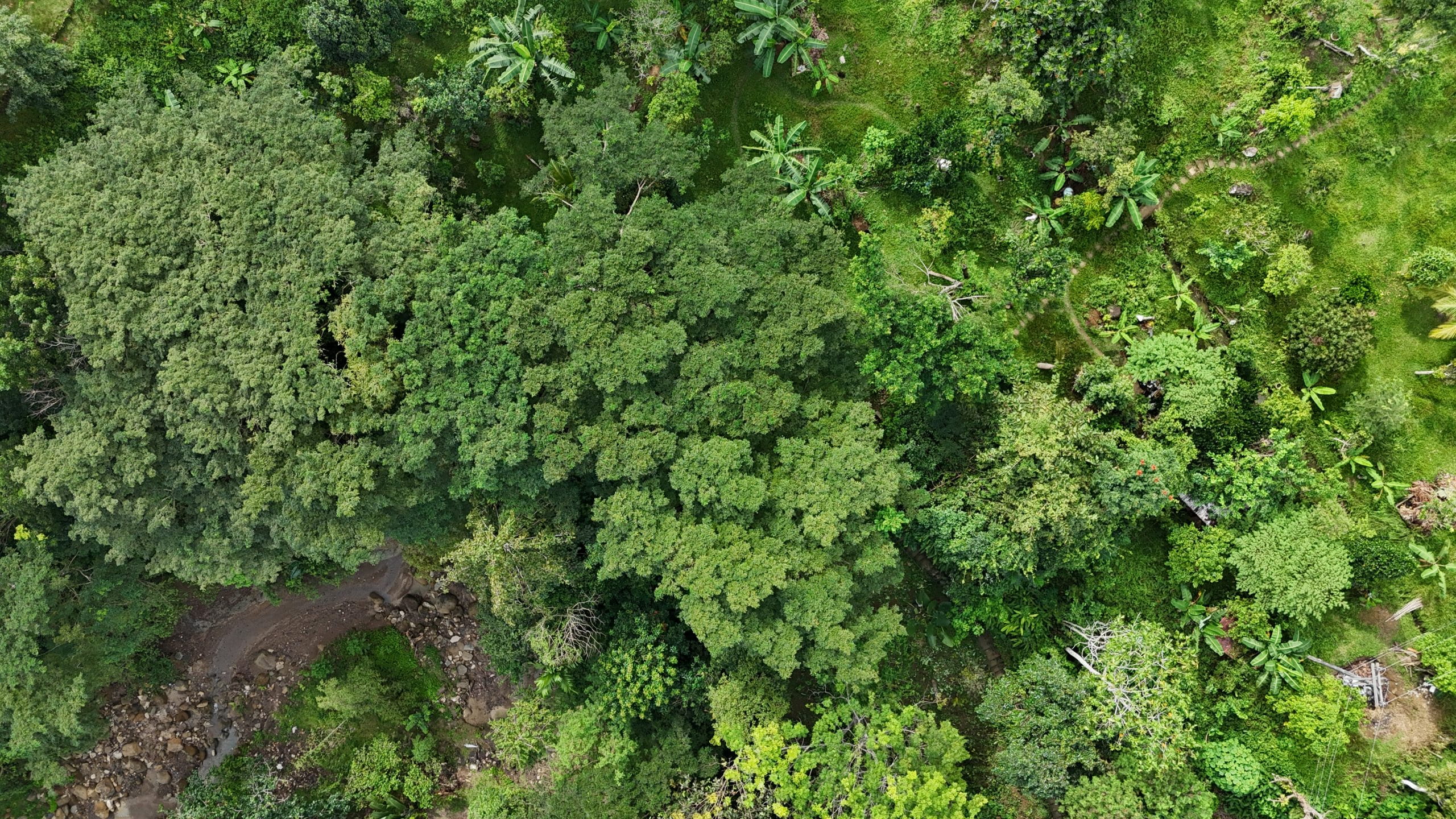
Forest cover recovery in the Philippines is often measured through big numbers: seedlings planted, hectares covered, or volunteers mobilized. These numbers show the scale of action, but they do not always show what happens after planting day.
A seedling still has to face dry months, heavy rain, poor soil, pests, competing grass, and human disturbance. It needs care before it can become part of a living forest. This is where survival rates give restoration work a clearer meaning.
When trees survive, recovery starts. A healthy tree survival rate show that the work is continued beyond planting. It means the right species were chosen, the site was prepared, the community was involved, and the young trees were given a real chance to grow.
For a country that depends on forests for water, biodiversity, soil protection, and climate resilience, forest recovery is about planting and growing trees that can live.
At A Glance
Planting Starts the Work. Survival Carries It Forward.
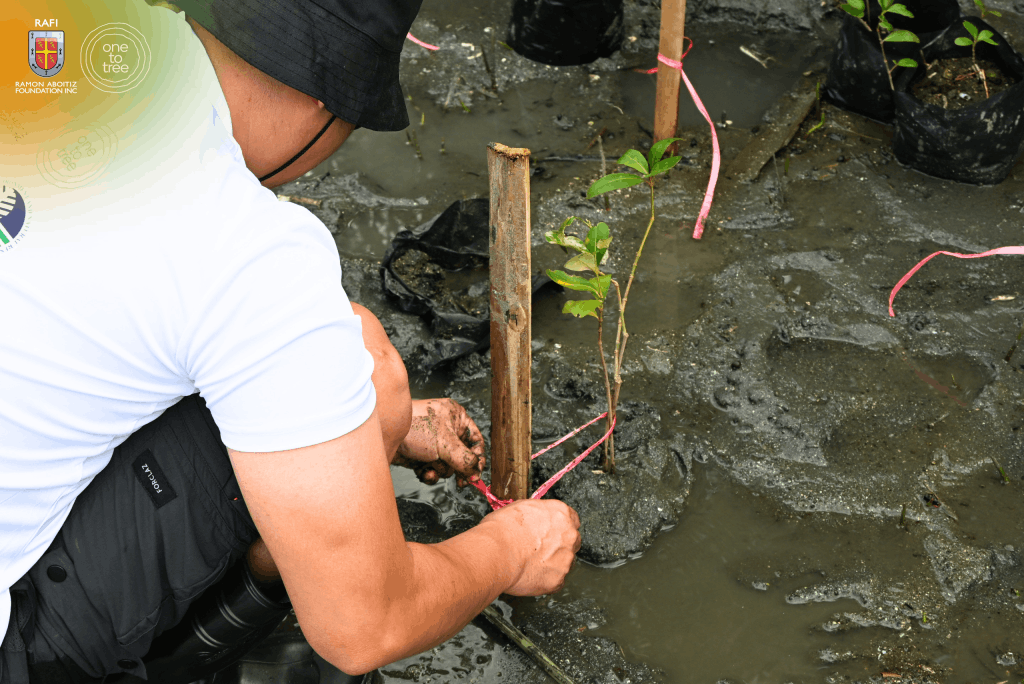
Tree planting is an important first step. It brings communities, companies, schools, and local groups into direct environmental action. However, planting alone does not rebuild a forest.
A seedling is still fragile after it is planted. In its first months and years, it needs space, water, protection, and regular care. Without maintenance, many seedlings may not survive long enough to provide shade, hold soil, support wildlife, or become part of a healthier forest ecosystem.
This is why survival rates help shift the focus from activity to impact. A planting activity may last one day, but forest recovery takes years of steady care.
What Survival Rates Show
Survival rates help answer a simple question: Are the seedlings growing?
When survival is low, it may point to gaps in planning or aftercare. The species may not fit the site. The soil may not have been prepared well. The area may have needed more protection from grazing, fire, cutting, or clearing.
When survival is strong, it often reflects better planning and stronger stewardship. It suggests that people monitored the site, maintained the young trees, and adjusted when conditions became difficult.
For partners and donors, this shifts the question from how many trees were planted to how many are still living and who is caring for them.
Impact Snapshot: Recovery Rooted in Community Care
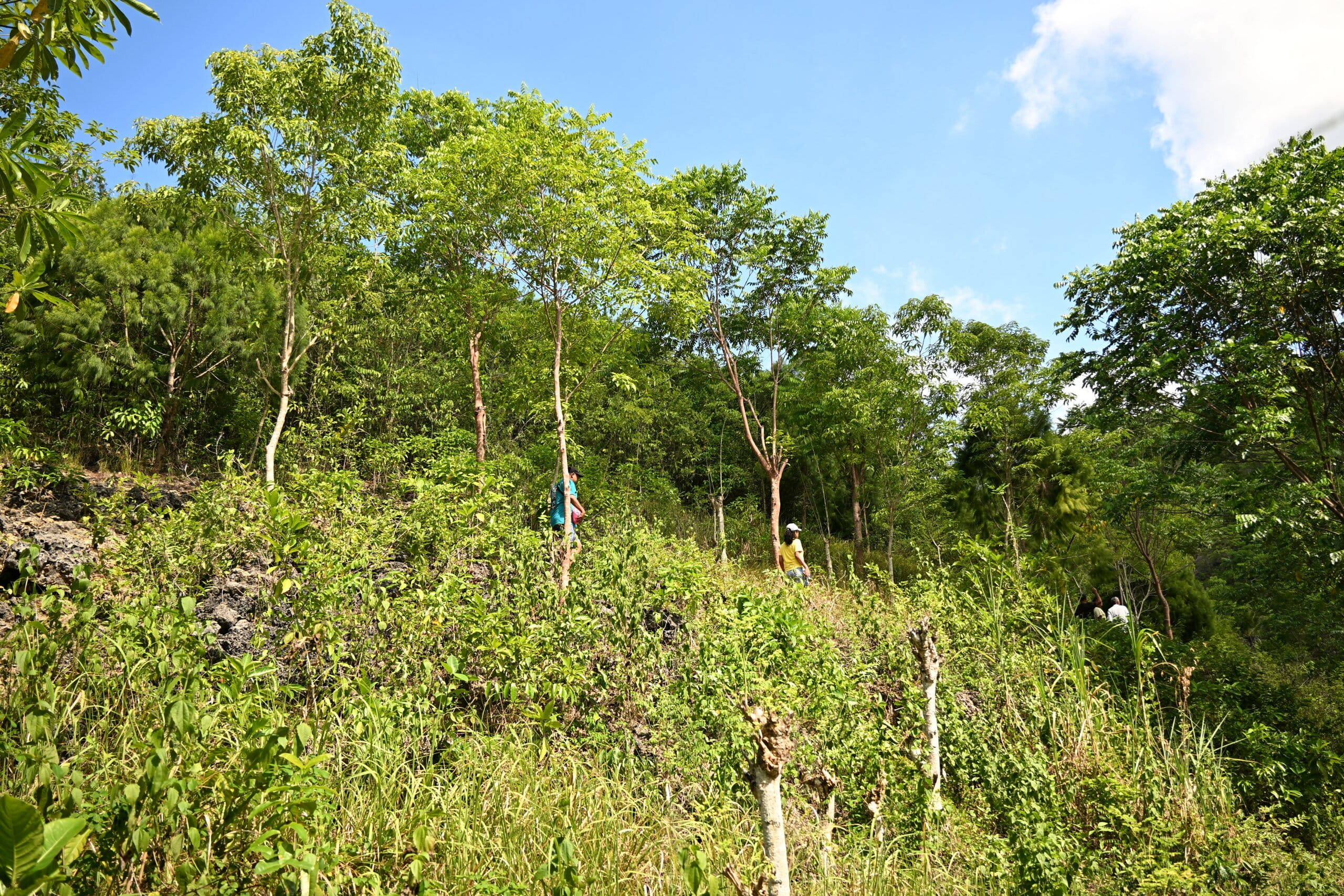
One example of this long-term approach is the Lakbay Luntian – Visayas Project in Dumanjug, Cebu.
Through a partnership between RAFI One to Tree and BPI Foundation, the project restored 171 hectares of land and planted 136,800 native and fruit-bearing seedlings. It achieved an overall average survival rate of 80 percent while involving 137 farmers and six people’s organizations across 16 barangays.
What makes this story meaningful is not only the number of seedlings planted. It is the care that surrounded the work.
The project included site preparation, nursery work, community coordination, training, and continued support for partner farmers. It showed how restoration can strengthen both the land and the people connected to it.
When farmers and local organizations are part of the process, tree growing becomes shared stewardship. The people closest to the land help protect young trees because they understand how forests connect to water, soil, livelihood, and the future of their communities.
Forest Cover Recovery Takes Time
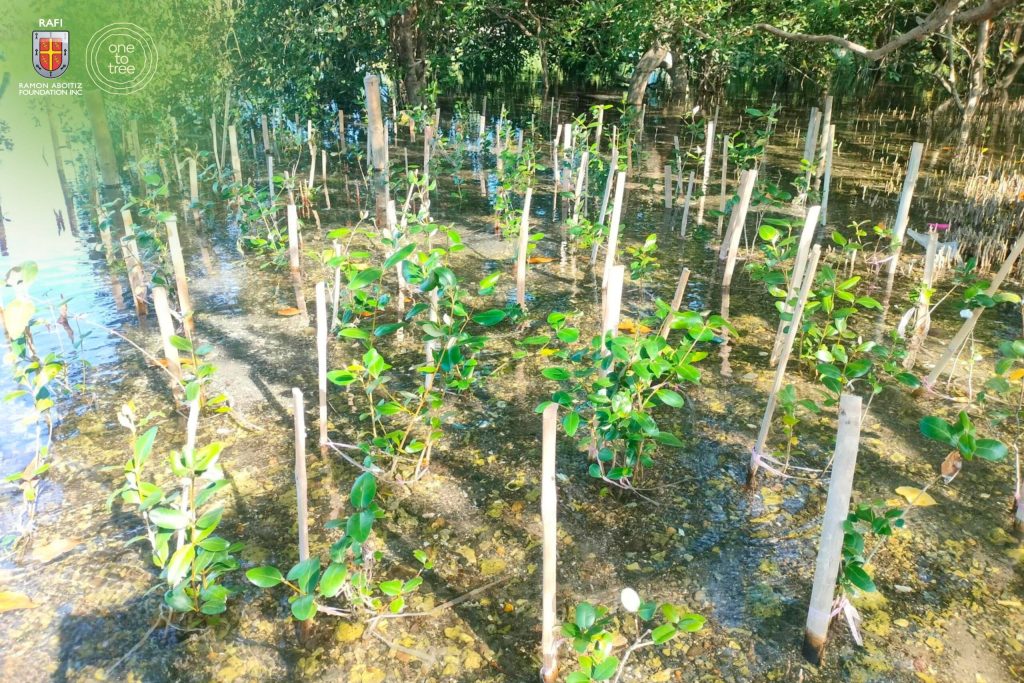
As much as communities are involved, forest cover recovery in the Philippines is a long process. A seedling cannot replace a mature tree overnight. A planted area cannot become a thriving forest in one season. Even when tree cover begins to return, the land still needs time to rebuild shade, soil stability, moisture, habitat, and biodiversity.
This is why reforestation in the Philippines needs patience and consistency. Restored landscapes are shaped through connected steps: seedling production, site validation, species selection, land preparation, planting, maintenance, monitoring, and community participation.
Native tree growing supports this process because native species belong to the natural landscape. They can help support local wildlife, strengthen biodiversity, and contribute to healthier soil and water systems over time.
Still, even native trees need care. Choosing the right species is only one part of the work. The trees also need people who will protect and nurture them as they grow.
What Helps More Trees Survive
Better survival starts before planting day.
Restoration teams need to understand the site first. What is the soil condition? What species belong there? Is the area exposed to heat, flooding, grazing, or fire? Who can help care for the trees after planting?
After planting, maintenance becomes just as important. Young trees may need weeding, mulching, replacement planting, monitoring, and protection from disturbance. In some areas, communities may also need training and support so they can continue caring for the site beyond the first activity.
Partnerships help make this possible. Companies, local government units, schools, civic groups, and donors can support the parts of restoration that are less visible but more lasting, including nursery development, technical training, farmer support, monitoring, and maintenance.
How Partners Can Support Lasting Forest Recovery
Organizations that want to support restoration can begin by choosing programs that measure success responsibly.
It helps to ask practical questions before supporting a project. How will the trees be cared for after planting? Are the species suitable for the area? Who will monitor the site? How will communities be involved? What survival rate is being tracked?
These questions help move sustainability efforts toward deeper impact. RAFI One to Tree’s approach is built around this long-term view. By working with farmers, people’s organizations, local government units, private partners, and communities, the program supports native tree growing that is rooted in care, not just planting counts.
Frequently Asked Questions (FAQs)
What does forest cover recovery mean?
Forest cover recovery is the gradual return or improvement of tree cover in degraded, cleared, or damaged areas.
Why are survival rates important in tree growing?
Survival rates show how many planted seedlings continue to live and grow. They help measure lasting impact, not just short-term activity.
Is planting many trees enough to restore forests?
No. Planting is only the first step. Forest restoration also needs the right species, site preparation, maintenance, monitoring, and community involvement.
How does native tree growing support forest recovery?
Native tree growing helps restore species that naturally belong in local ecosystems, supporting biodiversity, wildlife habitat, soil health, and ecological balance.
How can organizations support reforestation in the Philippines?
Organizations can support credible tree-growing programs, fund maintenance, partner with communities, and choose projects that track survival rates and restoration outcomes.
Conclusion
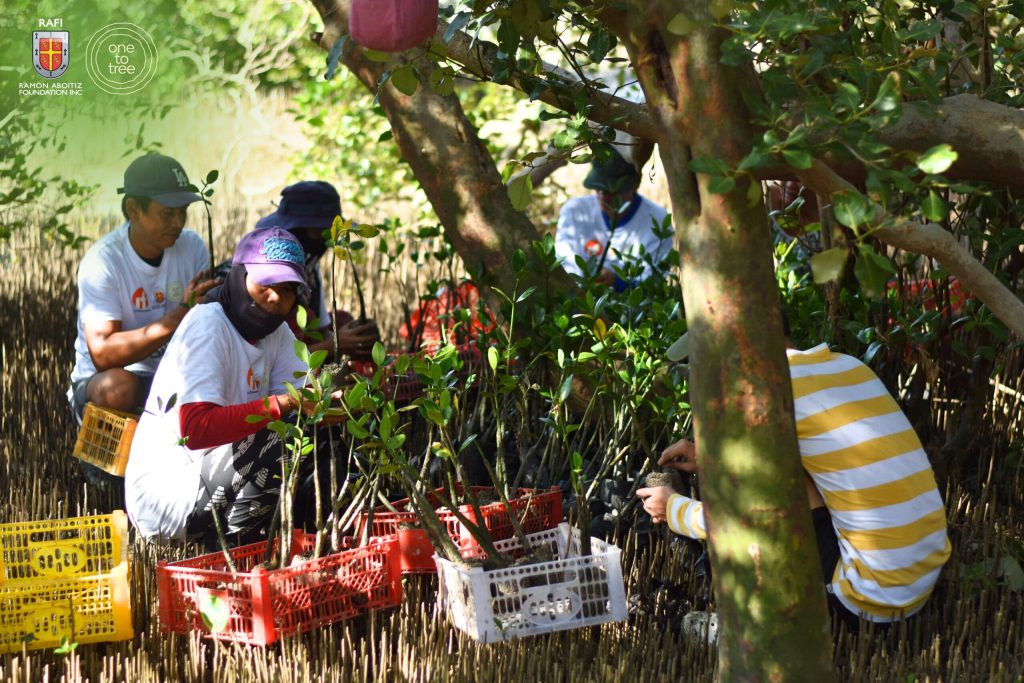
A seedling placed in the ground is a beginning. A surviving tree is a sign that care, planning, and stewardship are working. Over time, those surviving trees can help restore forests, protect communities, and bring life back to damaged landscapes.
Survival rates help us look beyond the number of trees planted and focus on the future those trees can create.
For partners, donors, and communities, the call is clear: support tree growing that lasts. When restoration is guided by survival, care, and shared responsibility, forest recovery has a stronger chance to take root.
🌱 Support tree growing that lasts beyond planting day. Through RAFI One to Tree, your partnership can help restore forests, support local communities, and grow native trees that are cared for over time.