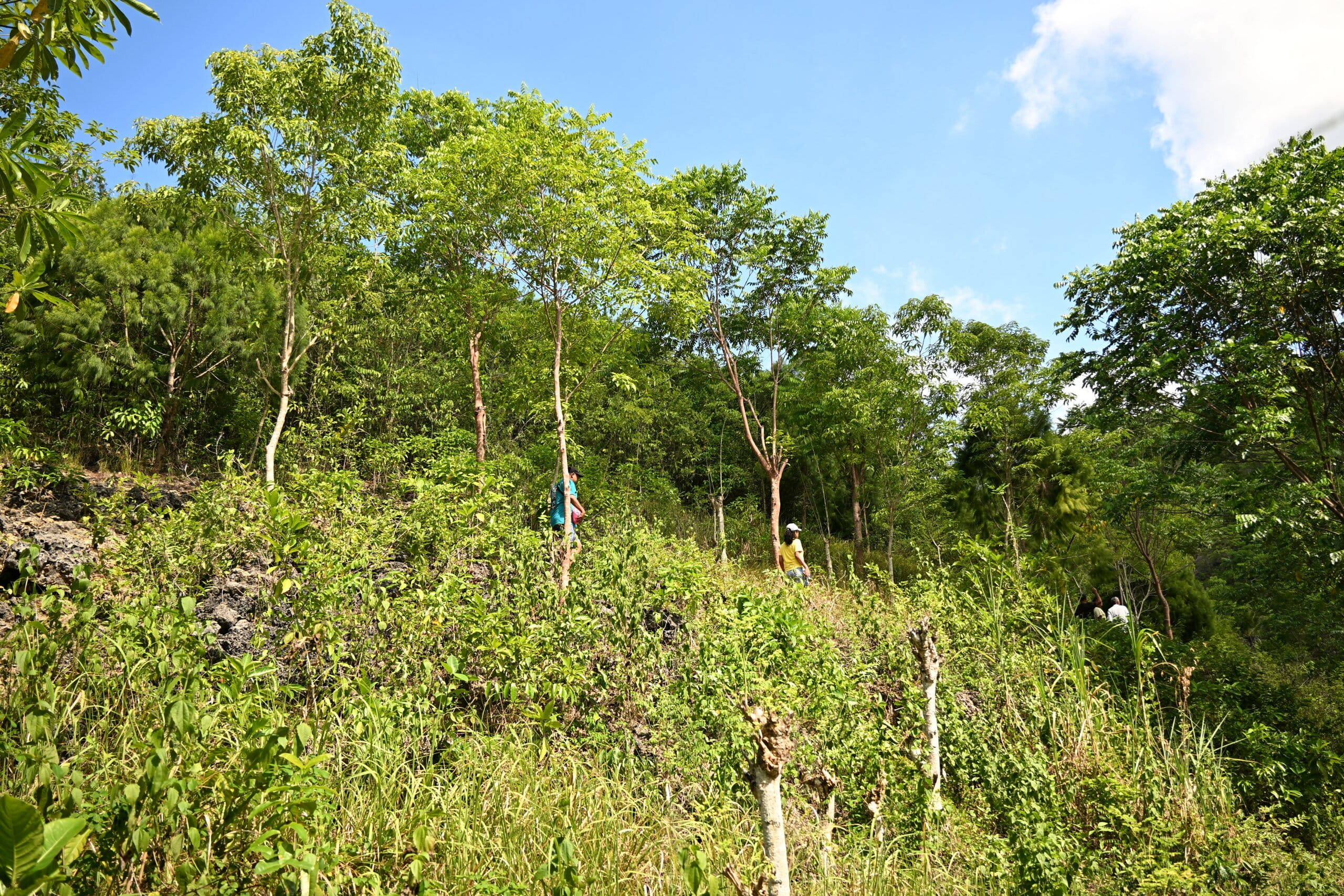
A healthy forest can mean something very practical to a community.
It can help keep soil in place, provide habitat for wildlife, protect water systems, and support people whose lives depend on the land and coast. When communities take part in restoring these places, they are also contributing to goals shared far beyond their barangay.
These are the Sustainable Development Goals, or SDGs. Created by the United Nations, the 17 goals guide global action toward a healthier, fairer, and more sustainable future. In the Philippines, they can sound broad on paper, but their meaning becomes clearer when we look at what communities are already doing.
Forest restoration and SDGs come together especially through SDG 13: Climate Action; SDG 14: Life Below Water; and SDG 15: Life on Land; and SDG 17: Partnership for Goals. The connection is simple: healthier forests can strengthen landscapes, support biodiversity, and help protect the rivers and coasts connected to them. Just as important, restoration gives communities a direct role in caring for these ecosystems.
At A Glance
Global Goals Begin Close to Home
The Sustainable Development Goals are set not only for governments or large organizations. They address challenges that affect everyday life, from health and clean water to climate change and healthy ecosystems.
Locally, sustainable development goals in the Philippines are part of the country's commitments under the 2030 Agenda. The Philippine Statistics Authority tracks national progress toward the goals, helping show where progress is happening and where more action is needed. Its latest assessment found progress in 10 of the 17 SDGs since 2015, although most of those progressing goals were still moving too slowly to meet their 2030 targets.
On the ground, however, SDG progress can start with familiar actions: tending native seedlings, protecting recovering forests, maintaining mangrove areas, or sharing local knowledge about a landscape.
That is where community forest restoration turns large global goals into something people can see, care for, and sustain.
SDG 13: Stronger Landscapes for a Changing Climate
SDG 13 focuses on taking action on climate change and its impacts. For communities, that does not always begin with complicated climate plans. It can begin with restoring the natural systems that help landscapes stay healthy.
Forests store carbon while supporting soil, water, wildlife, and other ecological functions. Restoring degraded forest areas can therefore form part of climate action in the Philippines while helping communities strengthen the ecosystems around them.
But planting alone is not enough.
Young trees need suitable species, appropriate sites, monitoring, and continued care. Local participation matters because communities can help nurture trees long after a planting activity ends. This long-term approach is also central to RAFI One to Tree's emphasis on growing and caring for trees rather than treating planting day as the finish line.
When restoration becomes shared stewardship, climate action becomes less abstract. It becomes a growing forest that people can help protect over time.
Impact Snapshot: Community Action in San Fernando
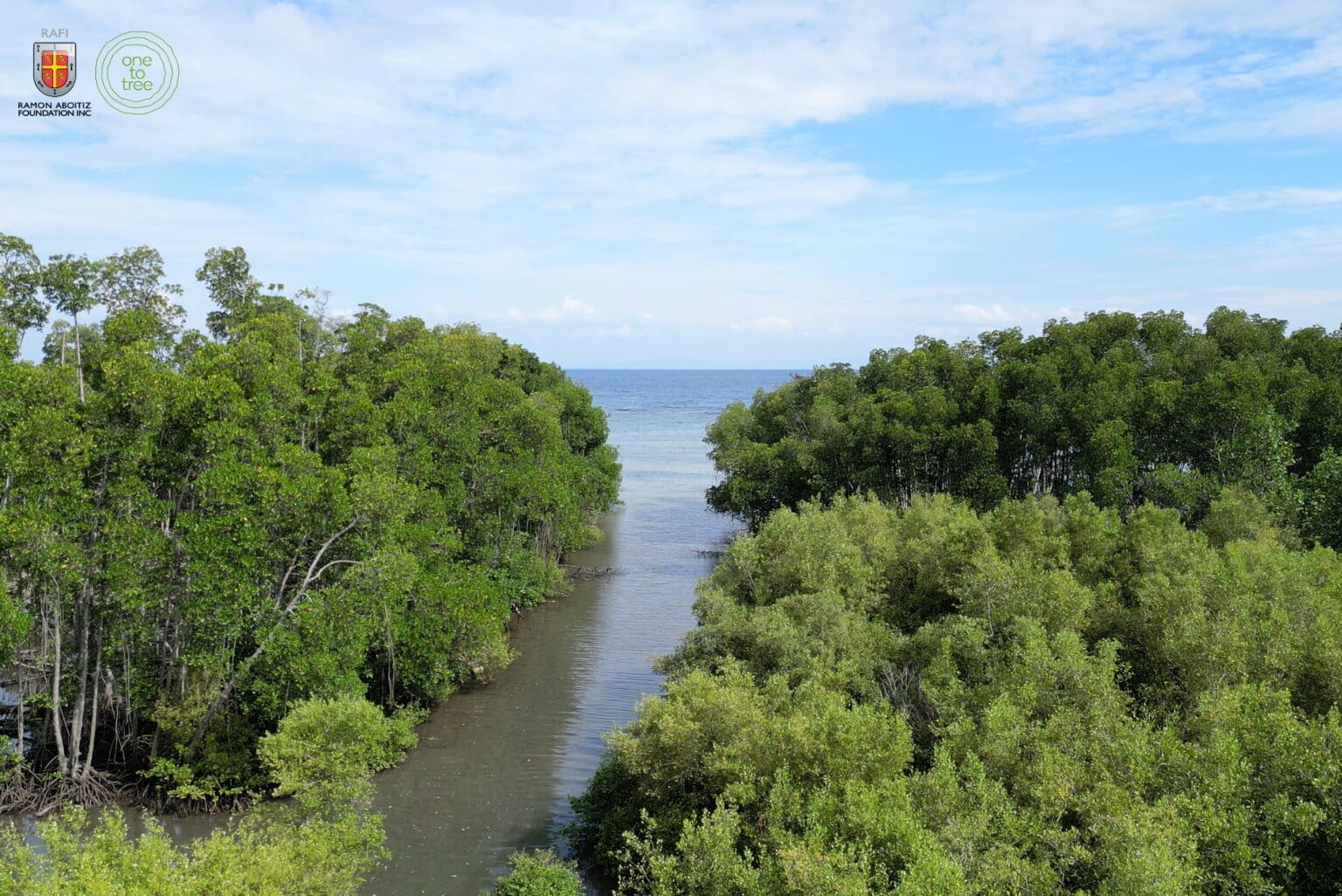
A RAFI One to Tree mangrove enrichment project in Barangay San Isidro, San Fernando, Cebu shows what these connections can look like in practice.
Together with Aboitiz Construction, Aboitiz Foundation, local government partners, and the San Isidro Farmers and Fisherfolk Association, the project combines ecosystem restoration with community participation.
The project also demonstrates SDG 17 in action. By bringing together private sector organizations, local government partners, community groups, and environmental advocates, the initiative shows how partnerships can help align shared resources and expertise toward common sustainability goals
- 1,000 mangrove seedlings planned for production, planting, and nurturing
- Approximately 0.10 hectares of existing mangrove area to be enriched
- 25 farmers and fisherfolk association members to receive skills development in nursery establishment, seedling production, site preparation, and maintenance
- A project period from 2026 to 2029
- A minimum 85% project turnover survival rate is the goal
The numbers are important, but the community role is what gives them long-term meaning.
The fisherfolk are not simply joining a one-day planting event. The project is building their capacity to take part in the care and maintenance of the mangrove area over several years.
In one local project, the three goals become easier to understand: climate resilience connects with SDG 13, coastal and marine habitat connects with SDG 14, and mangrove forest recovery connects with SDG 15.
SDG 15: Helping Life Return to the Land
SDG 15, Life on Land, includes protecting terrestrial ecosystems, managing forests sustainably, restoring degraded land, and addressing biodiversity loss.
This is one of the clearest links between forest restoration and SDGs.
Trees are only one aspect of a forest. It is a living system where plants, animals, soil, water, fungi, and microorganisms depend on one another. Restoration should therefore aim for ecosystem recovery, not simply higher planting numbers.
Native trees are especially valuable because they belong to local ecosystems and can support the ecological relationships Philippine wildlife depends on. RAFI One to Tree's existing restoration work likewise emphasizes native tree growing, biodiversity, and long-term ecosystem recovery.
For communities, healthy forests can also support landscapes and natural resources that matter in daily life. This makes long-term care just as important as planting day.
SDG 14: From Forests to Rivers and Coasts
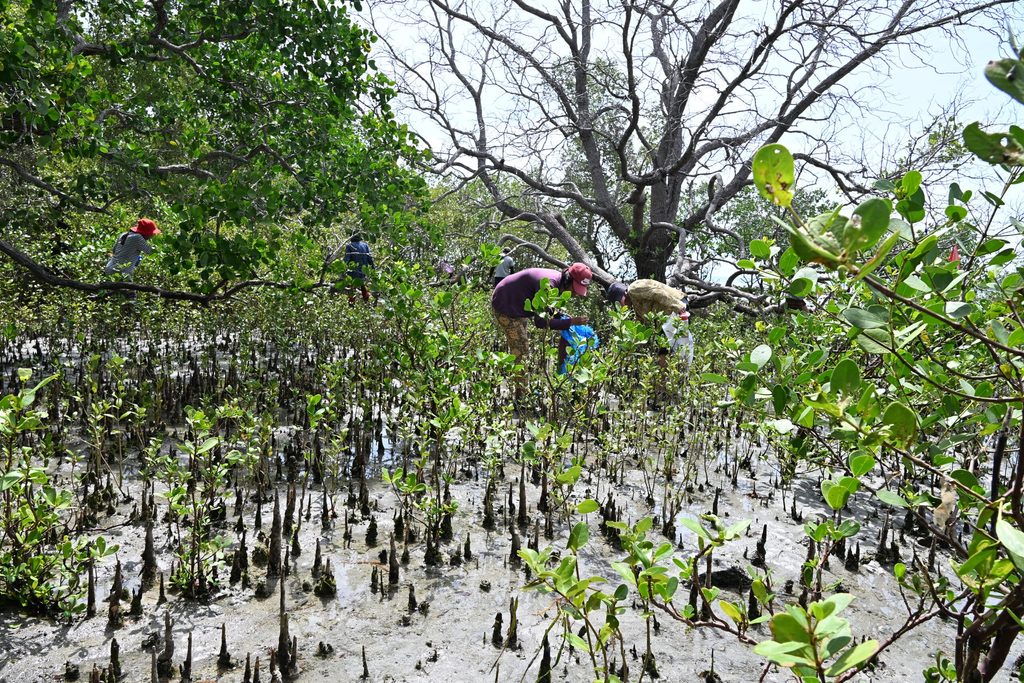
SDG 14, Life Below Water, may seem less connected to forests at first. It focuses on protecting and utilizing seas, oceans, and marine resources in a sustainable manner.
But land and water are connected.
Soil, nutrients, waste, and other materials can move through waterways and eventually reach coastal environments. UNEP notes that activities such as agriculture, logging, and other land uses can contribute to siltation and the movement of nutrients and chemicals into marine environments.
Healthy vegetation and better land stewardship are therefore part of a wider land-to-sea picture.
The connection becomes even clearer with mangroves in the Philippines. These coastal forests support marine biodiversity, stabilize sediments, and create an important meeting point between land and sea. RAFI One to Tree's recent mangrove work also shows how conservation can connect environmental recovery to the needs of coastal communities.
Not every upland restoration project directly restores the ocean. But protecting land, waterways, and coastal ecosystems as connected systems helps explain why SDG 14 belongs in the restoration conversation.
Communities Make the Goals Last
Global goals are most effective and meaningful when they are translated into action at the local level.
Community forest restoration gives residents a role in protecting ecosystems around them, while local governments, environmental groups, donors, and private partners can contribute technical knowledge, resources, or coordination.
RAFI One to Tree's wider Ka-Treebu network reflects this shared approach. Its community groups, government partners, and other collaborators contribute to mangrove and upland restoration through capacity building, nurturing, protection, and long-term stewardship. Ka-Treebu also illustrates SDG 17 by connecting diverse stakeholders around a shared commitment to forest and mangrove restoration.
This matters because restoration takes time. Seedlings need to survive. Habitats need to recover. Communities need opportunities to remain involved.
For people and organizations looking to support sustainable development goals in the Philippines, the lesson is straightforward: meaningful environmental action should leave behind more than planted trees. It should help build healthier ecosystems and stronger local stewardship.
Frequently Asked Questions (FAQs)
What are SDG 13, SDG 14, SDG 15, and SDG 17?
The Sustainable Development Goals (SDGs) are a set of 17 global goals adopted by the United Nations to help create a more sustainable, inclusive, and resilient future. SDG 13 is Climate Action, SDG 14 is Life Below Water, SDG 15 is Life on Land, and SDG 17 is Partnerships for Goals. Together, they address climate change and the protection and sustainable use of terrestrial and marine ecosystems.
How does forest restoration support climate action?
Restoring forests can help recover ecosystems that store carbon and support soil, water, biodiversity, and healthier landscapes. Long-term maintenance helps these benefits continue beyond the initial planting activity.
Why is SDG 14 connected to forest restoration?
What happens on land can affect rivers and coastal waters downstream. Mangroves make this relationship particularly clear because they are forest ecosystems that directly connect land with coastal and marine habitats.
What is community forest restoration?
Community forest restoration involves local people in restoring, maintaining, and protecting forests or mangroves. Depending on the project, this can include seedling production, planting, monitoring, maintenance, and long-term stewardship.
How can individuals and organizations help?
They can support restoration programs that prioritize appropriate species, long-term tree survival, ecosystem recovery, and meaningful community participation rather than focusing only on one-time planting activities.
Conclusion
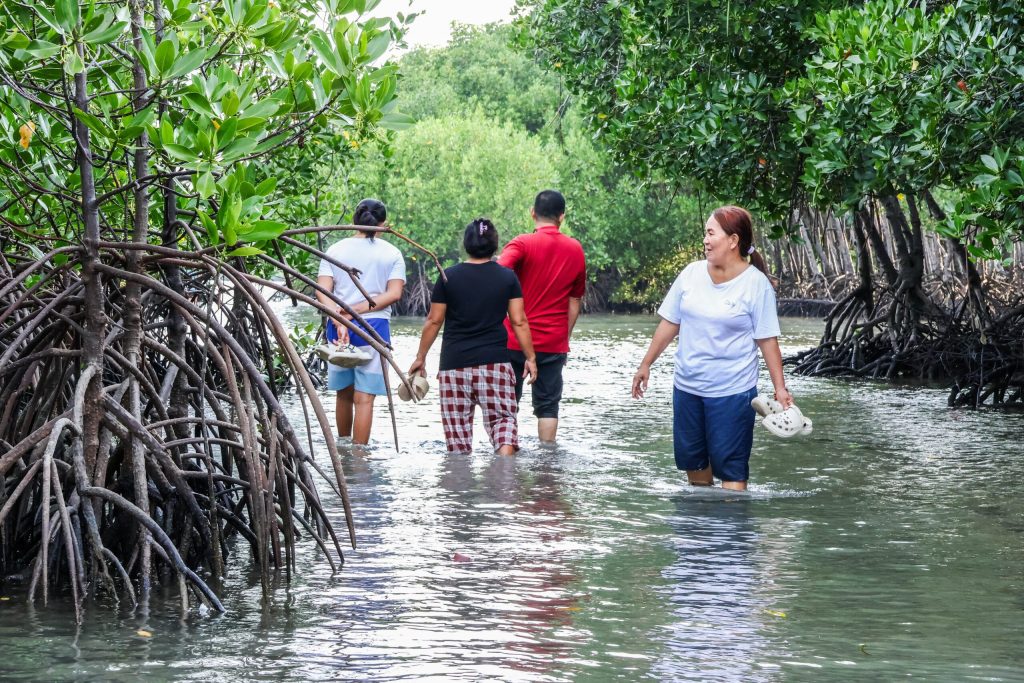
Forest restoration can bring three global goals down to a human scale.
SDG 13 becomes visible when healthier ecosystems contribute to climate resilience. SDG 15 comes alive as degraded land and habitats recover. SDG 14 appears in the connection between forests, waterways, mangroves, and coastal life. Achieving SDGs 13, 14, and 15 also depends on the partnerships encouraged by SDG 17
At the center of all four are people.
When communities have the knowledge, opportunity, and support to care for forests over time, forest restoration and SDGs become more than goals written on a page. They become healthier landscapes, stronger coasts, and a shared commitment to the places people call home.
🌱Grow Local Action Into Lasting Impact. Every restored ecosystem begins with people willing to care for it beyond planting day. Partner with RAFI One to Tree to support community-centered restoration that nurtures trees, strengthens local stewardship, and helps protect Philippine ecosystems for the future.