Ozone layer protection is one of the clearest examples of what sustained environmental action can achieve. When scientists identified the chemicals damaging the ozone layer, countries agreed on a solution and continued working on it for decades.
That progress is worth remembering every September 16, the International Day for the Preservation of the Ozone Layer. In 2026, World Ozone Day carries the theme “Global action for a cooler planet,” highlighting 10 years of sustainable cooling under the Kigali Amendment to the Montreal Protocol.
For RAFI One to Tree, the occasion also raises an important question: where do trees actually fit?
Trees do not directly rebuild the ozone layer. The ozone layer’s recovery depends mainly on controlling chemicals that damage it. Forests contribute in another way—by storing carbon, protecting biodiversity, strengthening ecosystems, and helping communities care for landscapes that sustain life.
Understanding that distinction allows us to support environmental efforts with greater clarity and purpose.
At A Glance
The Ozone Layer Is Recovering
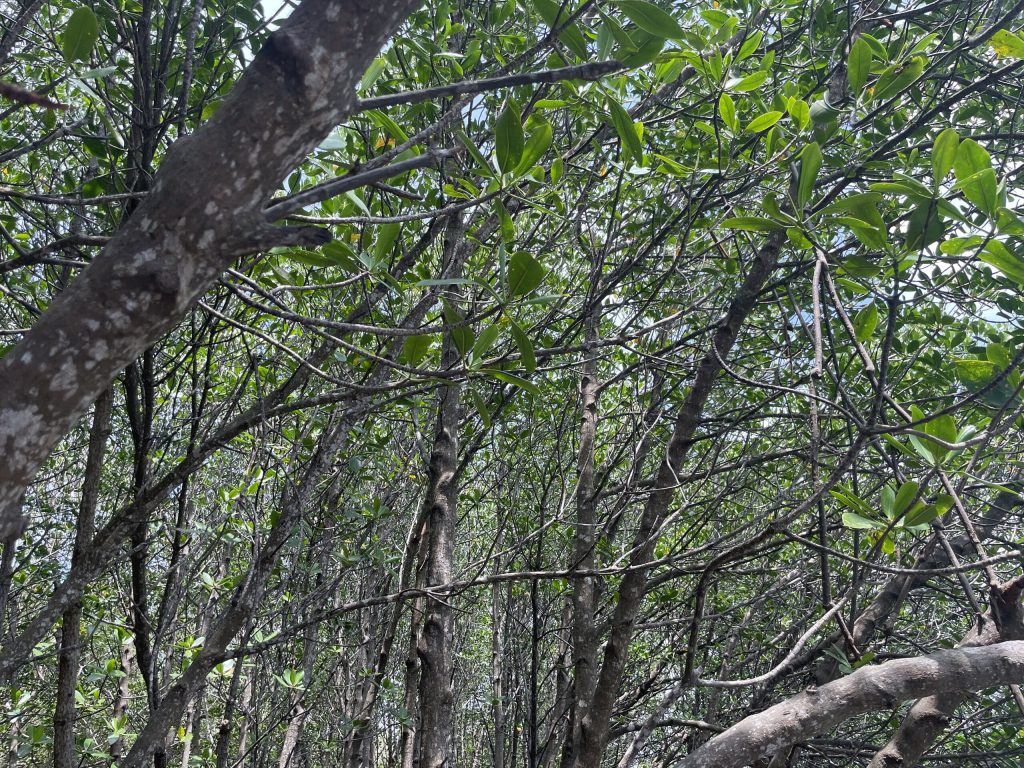
High above us in the stratosphere, the ozone layer absorbs much of the sun's harmful ultraviolet radiation. This natural shield helps protect people, plants, wildlife, and ecosystems.
For decades, chemicals such as chlorofluorocarbons or CFCs damaged this protective layer.
The Montreal Protocol, adopted in 1987, brought countries together to phase out ozone-depleting substances. The results show what coordinated action can accomplish.
If current policies remain in place, scientists expect ozone levels to return to 1980 values around 2040 for much of the world, around 2045 over the Arctic, and around 2066 over Antarctica.
The 2026 World Ozone Day theme also recognizes the Kigali Amendment, which targets hydrofluorocarbons or HFCs. These chemicals do not destroy ozone, but many can contribute significantly to global warming.
Together, these efforts show how ozone layer protection can succeed when solutions are grounded in science and maintained over time.
Trees Have a Different Job
So, what role does forest restoration play in this narrative?
Effective ozone layer protection requires reducing the substances that damage it. Growing trees cannot replace refrigerant controls, industry standards, or international agreements.
But trees have an essential role of their own.
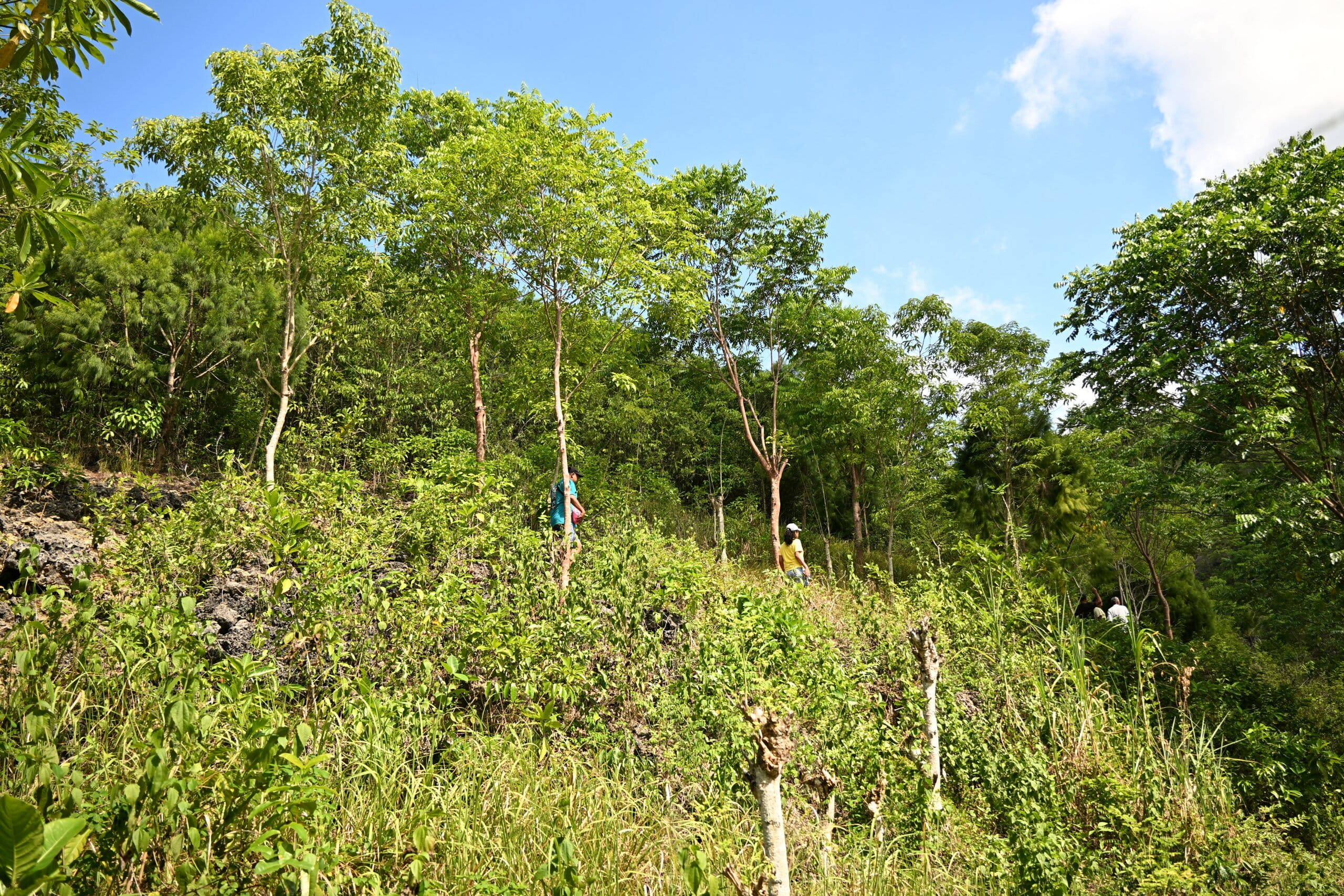
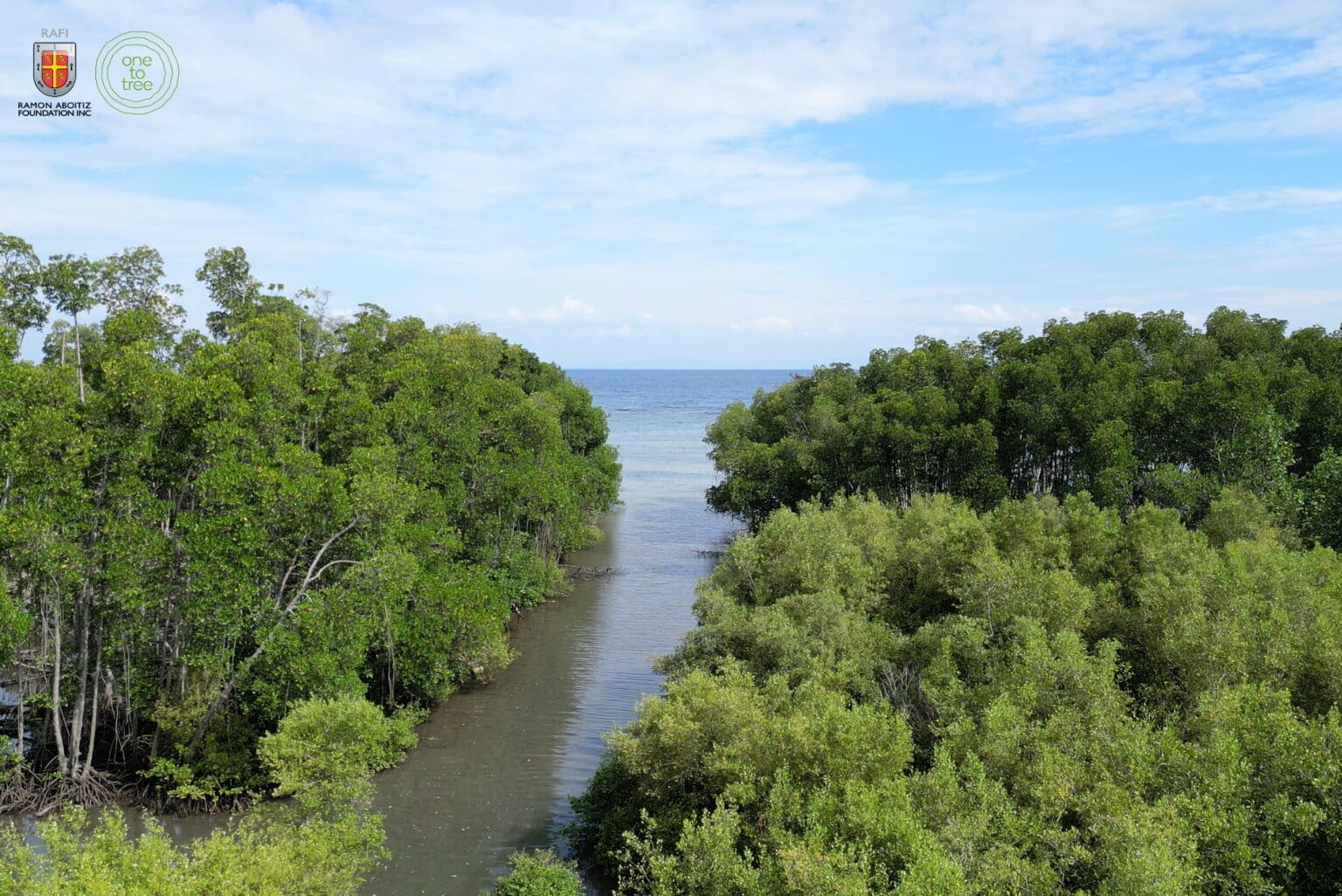
As forests grow, they absorb and store carbon. They also help protect watersheds, reduce soil erosion, provide habitats for wildlife, and support communities that depend on healthy natural resources.
This is the connection between forests and climate regulation. Forests strengthen ecosystems on the ground while ozone agreements protect a critical part of the atmosphere above them.
Both contribute to a healthier planet, but they do so in different ways.
For RAFI One to Tree, being clear about that role matters. Environmental work becomes more credible when we understand what an action can genuinely achieve.
The Philippines Is Part of the Solution
Ozone protection in the Philippines forms part of the country's wider environmental responsibility.
Through the Philippine Ozone Desk under the DENR Environmental Management Bureau, the country implements its commitments under the Montreal Protocol. This includes controlling ozone-depleting substances, managing refrigerants responsibly, and helping industries transition toward safer technologies.
The Philippines has also ratified the Kigali Amendment and is working toward reducing the consumption of HFCs.
At first, national ozone layer protection efforts may seem far removed from forest restoration. But both show that progress depends on what happens after a commitment is made.
Policies need implementation. Equipment needs proper handling. Forests need continued care.
That same mindset can be seen in community-based restoration projects, where success is measured not simply by what happens on planting day but by what survives and grows in the years that follow.
Impact Snapshot: Progress Beyond Planting Day
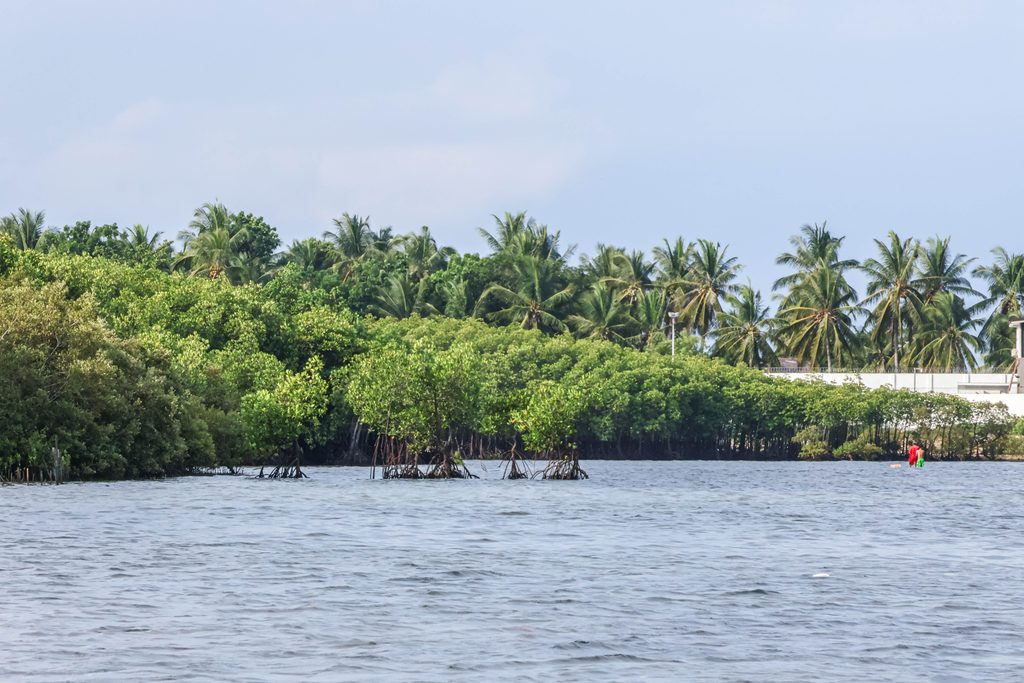
RAFI One to Tree’s own recovery after Typhoon Odette shows what continued environmental stewardship looks like in practice.
When the typhoon damaged trees and disrupted restoration efforts, the work did not end. Across their sites in Batangas, Cebu and Davao, RAFI One to Tree replaced affected trees, continued maintaining restoration sites, and worked with communities to keep recovery moving forward.
In 2022, the program planted 1.26 million upland and mangrove trees, exceeding its annual target. It also maintained 1.3 million trees with a 90% overall survival rate.
These figures point to something more important than planting numbers alone.
Environmental restoration depends on what happens afterward: monitoring sites, caring for growing trees, responding to setbacks, and continuing the work when conditions change.
That is how tree growing becomes lasting restoration.
Environmental Action Needs Staying Power
The experience of recovering after a major typhoon reinforces a principle that also sits behind ozone layer protection: environmental progress requires persistence.
The Montreal Protocol has been working for decades. Forest restoration also takes years to establish and can face setbacks along the way.
A storm can damage a restoration site. Changing conditions can affect survival. Communities may need additional support, training, or resources as trees grow.
What matters is the ability to respond and continue.
For organizations supporting restoration, this means looking beyond planting targets and asking stronger questions:
Will the trees receive continued care?
Are suitable species being used?
Are local communities involved?
Will survival and growth be monitored?
Is there a plan when setbacks occur?
This is also why forest recovery should be measured by more than the number of seedlings planted. A healthier landscape is built through survival, adaptation, biodiversity, and consistent care.
Turning Awareness Into Meaningful Action
World Ozone Day gives us a reason to look at what has worked and what responsibility still remains.
Households and businesses can contribute to ozone layer protection by maintaining cooling equipment properly, avoiding unnecessary refrigerant releases, and choosing more climate-friendly technologies when replacing older systems.
Communities and organizations can also help restore forests, protect biodiversity, and support credible environmental programs designed to continue beyond a planting activity.
The actions may be different, but the principle is shared: environmental responsibility becomes stronger when people understand their role and keep showing up for it.
Partner With Us
RAFI One to Tree works with businesses, institutions, donors, communities, and other partners to support forest restoration with continued stewardship in mind.
Partnerships can help provide native seedlings, site development, maintenance, monitoring, and opportunities for local participation.
These restoration efforts are not a substitute for ozone layer protection, but they strengthen forests, biodiversity, climate resilience, and the landscapes communities depend on.
For organizations looking to turn environmental commitments into practical local action, forest restoration offers a meaningful place to contribute.
Frequently Asked Questions (FAQs)
Why is September 16 observed as World Ozone Day?
September 16 commemorates the signing of the Montreal Protocol in 1987. The observance encourages countries and communities to recognize the progress made in ozone recovery while continuing the work needed to protect the atmosphere.
What does the Kigali Amendment have to do with climate change?
The Kigali Amendment focuses on reducing HFCs, which do not damage the ozone layer but can be powerful greenhouse gases. Reducing their use can help limit warming while supporting more sustainable cooling.
What can households do to help protect the ozone layer?
Everyday ozone layer protection can include having air-conditioning and refrigeration equipment serviced by qualified technicians, preventing refrigerant leaks, and considering climate-friendly options when replacing older equipment.
What should companies look for in a forest restoration partner?
Look beyond planting targets. Strong restoration programs consider suitable species, site preparation, survival monitoring, ongoing maintenance, community involvement, and how the area will be cared for after planting day.
How can communities benefit from long-term tree growing?
Well-designed restoration initiatives can support environmental education, skills development, local stewardship, livelihood opportunities, and stronger community involvement in protecting natural resources.
Conclusion: Shared Responsibility, Lasting Results
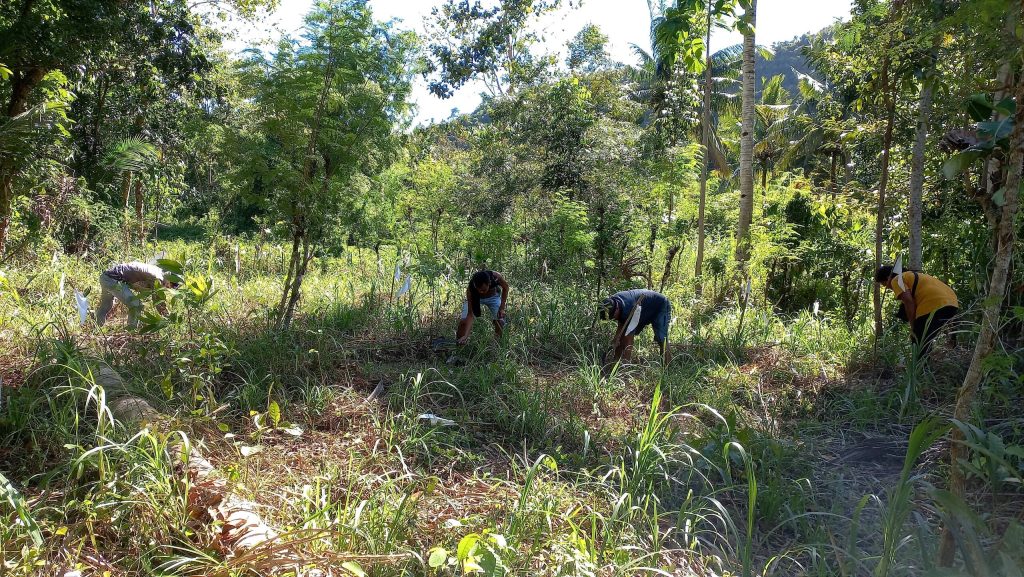
The recovery of the Ozone layer highlights the importance of matching environmental challenges with the right solutions and the commitment to see them through.
The Montreal Protocol addresses substances that damage the ozone layer. The Kigali Amendment builds on that cooperation to support a cooler planet. Forest restoration serves another vital purpose—rebuilding ecosystems, storing carbon, supporting biodiversity, and strengthening the landscapes communities rely on.
As we mark the International Day for the Preservation of the Ozone Layer in September 2026, we can celebrate what global cooperation has already achieved while recognizing the responsibility that continues closer to home.
Protecting the atmosphere and restoring forests require different actions. Both illustrate the value of responding to environmental challenges with solutions that are appropriate, informed, and sustained over time. Both remind us that meaningful environmental progress is built through informed choices, shared responsibility, and care that continues beyond a single day.
🌱Care for the atmosphere above. Restore the living landscapes below. Partner with RAFI One to Tree to help grow forests and community stewardship that can endure for generations.