
As expectations around corporate responsibility continue to evolve, many companies are rethinking how their success is measured beyond profits. Conversations around sustainability are become part of everyday decision‑making, businesses are being challenged to look beyond profit and consider how their actions affect communities and the environment. In the Philippines, where climate and environmental challenges are felt directly by communities, reforestation has emerged as a meaningful way for companies to drive positive change.
Through Corporate Social Responsibility (CSR) environmental programs, businesses in the Philippines are finding ways to turn sustainability goals into real, on-the-ground action. Among the many causes businesses can support, reforestation offers a practical way to contribute to environmental care while engaging communities and supporting long-term outcomes.
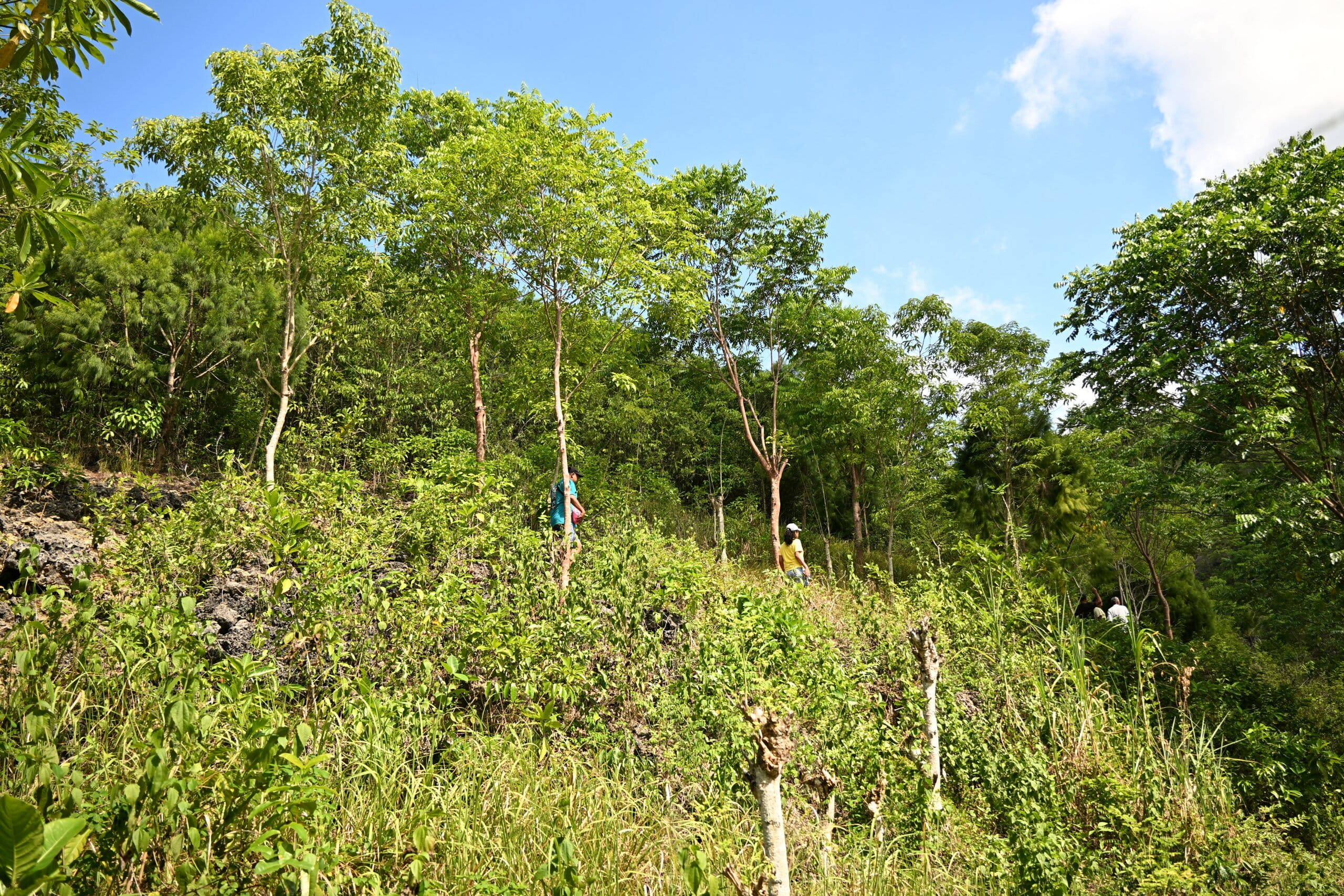
Still, not all tree-growing efforts are the same. A one-day planting activity may create awareness, but sustainable impact comes from a longer commitment. This is where sustainable reforestation becomes important. It focuses not only on planting trees, but also on helping them survive, grow, and contribute to the recovery of healthier forest ecosystems over time.
For businesses exploring purposeful CSR strategies, reforestation offers a strong path forward. This guide explains why it matters, what companies should understand before getting involved, and how they can support efforts that create lasting environmental value.
At A Glance
Why CSR Environmental Programs Matter in the Philippines
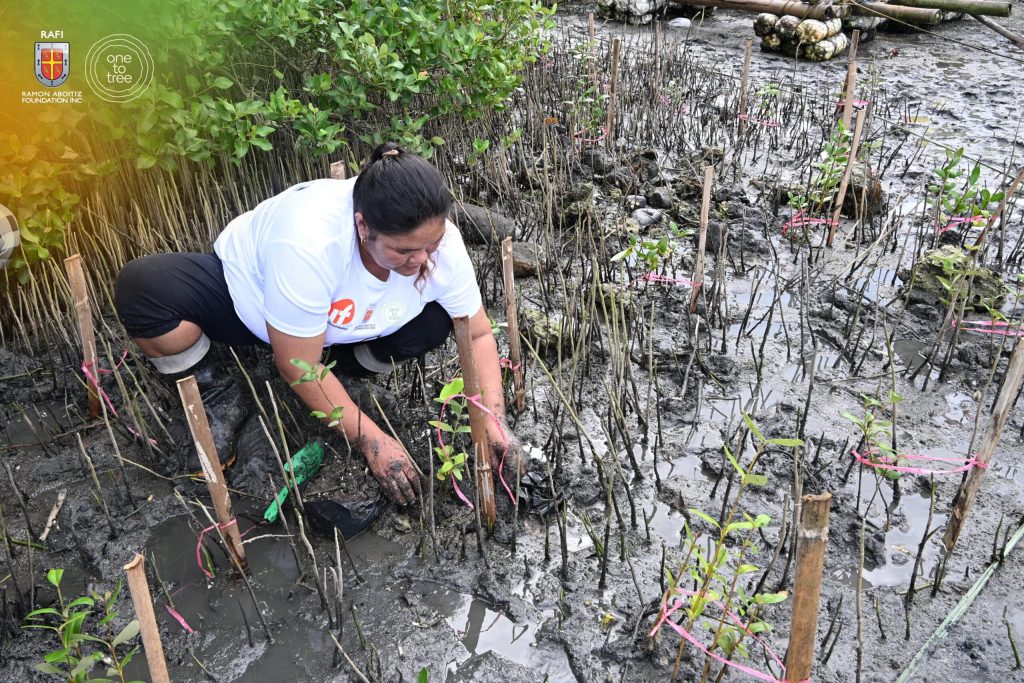
Environmental challenges in the Philippines are becoming harder to ignore. Forest loss, climate-related risks, and biodiversity challenges all make environmental action more urgent. For businesses, these realities highlight opportunities to support solutions that are timely, visible, and genuinely impactful.
CSR environmental programs in the Philippines offer a way for companies to translate sustainability commitments into concrete action. Rather than relying solely on broad messaging, these programs allow organizations to take part in initiatives that deliver real environmental and social benefits. Thoughtfully designed efforts can also help strengthen relationships with employees, customers, communities, and long‑term partners.
Environmental CSR holds particular value because it aligns business involvement with causes many stakeholders already care deeply about. Today, companies are increasingly evaluated not just on their products or services, but on what they stand for, how they contribute to society, and whether their actions reflect their stated values.
Tree growing, or reforestation offers companies a practical and credible way to respond to these expectations.
Why Reforestation Is a Strong CSR Direction
Reforestation is one of the most effective environmental causes businesses can support, offering a clear and lasting way to contribute to environmental restoration.
Supporting reforestation can help companies:
- align CSR with sustainability priorities
- create meaningful employee engagement opportunities
- contribute to healthier landscapes and ecosystems
- build stronger community partnerships
- demonstrate long-term commitment instead of one-time visibility
These qualities make reforestation particularly suitable for businesses seeking CSR programs that feel relevant, grounded, and credible.
Reforestation also provides compelling employee engagement initiatives. Employees are often more engaged when they can clearly see how their company contributes to positive change. Tree-growing programs offer tangible outcomes that help teams connect their work to a purpose beyond day‑to‑day operations.
What Sustainable Reforestation Really Means
A key point companies should understand is that reforestation goes beyond placing seedlings in the ground. When the goal is genuine environmental recovery, a single planting event is rarely enough.
Sustainable reforestation means taking a long-term approach to forest restoration. It involves thoughtful planning, proper implementation, and continued support after planting. This usually includes selecting suitable sites, choosing the right species, involving local communities, and providing maintenance and monitoring during the early growth stages.
Without these elements, planting efforts may generate short-term activity but limited long-term results.
For CSR leaders, this distinction matters. A company may be able to say it planted trees, but the more important question is whether those trees are likely to survive and contribute to forest recovery. Sustainable reforestation focuses on that outcome, making it a better fit for companies that aim to create real environmental value rather than simply meeting CSR requirements.
Tree Planting vs. Forest Recovery
Businesses often use the phrase tree planting when talking about environmental activities, but tree planting and forest recovery are not exactly the same thing.
Tree planting is an activity, while forest recovery is a continuous process. Planting can be an important first step, but lasting environmental impact depends on what happens after that. Seedlings need the right conditions, and the care, and support to survive. Sites need to be suitable for restoration. Species need to match the area. In many cases, communities and local partners also play an important role in long-term stewardship.
Companies are encouraged to look beyond event-based participation and ask whether a program is actually designed for recovery over time.
For businesses interested in corporate tree planting initiatives in the Philippines, this is one of the most important mindset shifts to make. The goal should not only be to plant. It should be to help forests grow back in a way that is sustainable and meaningful.
How Reforestation Supports Business Goals
A strong CSR initiative should support both impact and alignment. Reforestation does this well because it connects naturally with several goals companies already care about.
1. It strengthens sustainability positioning
Many companies are working to show that sustainability is part of how they operate and contribute. Supporting reforestation gives businesses a practical initiative that reflects environmental values in a visible way.
2. It creates employee engagement opportunities
Environmental CSR programs often create stronger emotional connection than more passive forms of support. Employees are more likely to feel involved when they can see and understand the impact of what the company is supporting.
3. It builds trust through action
Stakeholders are paying closer attention to whether businesses follow through on their commitments. Reforestation can help show that environmental claims are backed by action, not just messaging.
4. It supports community-centered impact
The strongest reforestation efforts involve local participation and long-term partnership. This helps companies support environmental outcomes while also contributing to a broader sense of shared responsibility and care.
5. It offers long-term value
Unlike short-term campaigns, reforestation has a timeline that naturally supports ongoing reporting, engagement, and milestone storytelling. This helps CSR efforts stay active and relevant over time.
How Companies Can Support Sustainable Reforestation
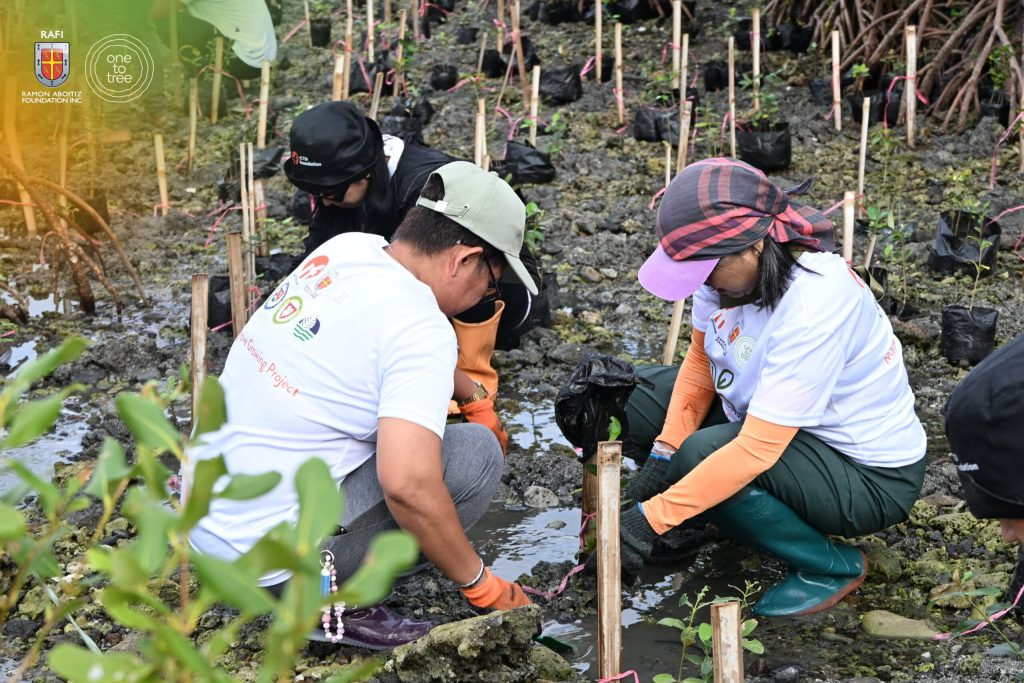
Businesses can support reforestation in different ways depending on their goals, budget, and desired level of involvement. What matters most is choosing an approach that supports real recovery rather than short-term exposure.
Here are several meaningful ways companies can contribute.
1. Fund Long-Term Reforestation Efforts
One of the most direct ways to help is by funding programs that include planting, maintenance, and monitoring. This supports the full cycle of reforestation rather than only the starting point. Long-term support can help cover site preparation, seedling production, planting activities, early-stage care, and progress tracking.
2. Integrate Reforestation Into Annual CSR Plans
Rather than treating it as a one-time event, companies can make reforestation part of their annual CSR strategy. This creates continuity, improves planning, and makes it easier to build a stronger long-term impact story. It also helps position the effort as part of the company’s broader sustainability commitment.
3. Involve Employees Beyond a Single Activity
Employee participation does not need to stop at planting day. Companies can engage teams through awareness campaigns, volunteer opportunities, milestone updates, and internal storytelling around the environmental goals being supported. This creates deeper ownership and makes the initiative more meaningful across the organization.
4. Partner With Credible Organizations
Implementation matters. Companies should look for organizations that understand reforestation beyond surface-level activity and can explain how their programs are structured for long-term success. A credible partner should be able to discuss planting approaches, maintenance plans, community involvement, and how progress is monitored over time.
5. Support Community-Connected Programs
Reforestation is often stronger when communities are involved in implementation and stewardship. Programs with local connection can create more lasting care for planted areas while also supporting shared environmental responsibility. This makes the impact broader and more grounded.
What Companies Should Look for in a Reforestation Partner
Before supporting a program, businesses should take time to understand how it works. A credible reforestation partner should be able to clearly explain the structure behind the initiative.
Important questions to ask include:
- How are planting sites selected?
- Are native species prioritized where appropriate?
- What maintenance happens after planting?
- How is tree growth or survival monitored?
- How are communities involved in the effort?
- How is impact shared with partners over time?
These questions help companies understand whether they are supporting a genuine reforestation effort or simply participating in a short-lived activity.
For CSR environmental programs in the Philippines, this kind of due diligence is important. Businesses want to make sure their support is going toward environmental work that is thoughtful, accountable, and built for the long term.
Impact Snapshot: Why Long-Term Support Matters
The success of reforestation is not measured only by how many seedlings are planted. It is better measured by whether the effort contributes to healthier, growing forest areas over time.
That is why long-term support matters so much. Maintenance, monitoring, and stewardship all play a role in helping planted areas move toward actual recovery. Without these, even well-intentioned efforts may have limited results.
For companies, this is also what makes reforestation a stronger CSR investment. It offers the chance to support something that grows in value over time rather than disappearing after a single event.
A longer-term approach can also create more meaningful reporting and visibility. Instead of only showing participation, businesses can point to continuity, care, and progress.
Partner Visibility Without Losing the Mission
Companies naturally want their CSR efforts to be visible. Stakeholders want to know what the business supports and why it matters. Visibility is not a problem as long as it does not become the main purpose of the initiative.
The best environmental partnerships balance recognition with mission. They allow companies to show involvement through stories, updates, milestone highlights, and team participation while keeping the focus on restoration and long-term impact.
This creates a more credible form of visibility. The company is seen not just as a sponsor of an event, but as a partner in something meaningful and sustained.
For businesses supporting corporate tree planting initiatives in the Philippines, this approach helps build a stronger and more trustworthy CSR narrative.
Why This Matters for the Philippines
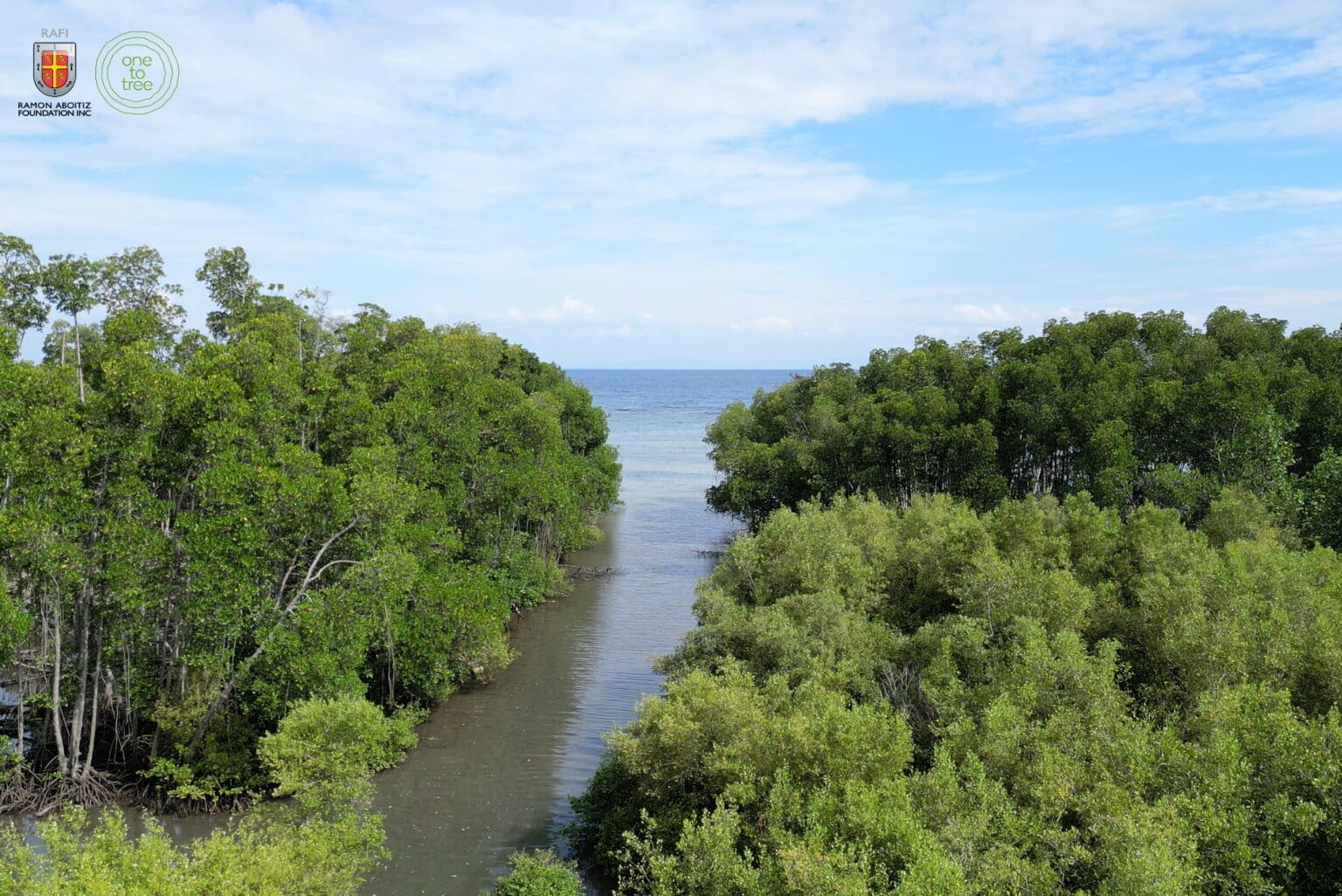
Reforestation is especially relevant in the Philippine context because environmental restoration is closely connected to long-term resilience. As a country often struck by typhoons, healthier forest areas support ecosystems, communities, and future generations in ways that extend far beyond a single campaign.
For companies operating in the country, this creates a strong case for environmental action that is both locally relevant and socially meaningful. It is not just about supporting a good cause. It is about helping address a real need through a program that can create visible and lasting benefits.
This is why reforestation remains one of the most practical and meaningful directions for CSR environmental programs in the Philippines. It combines environmental value, community connection, and long-term partnership in a way that many businesses can align with.
How RAFI One to Tree Supports Sustainable Reforestation
RAFI One to Tree helps connect partners to tree-growing efforts that are designed to support long-term environmental impact. Rather than focusing only on one-day activities, the program reflects a broader and more purposeful approach to reforestation.
For businesses looking into CSR environmental programs in the Philippines, RAFI One to Tree offers a way to support reforestation through a mission-centered and community-conscious initiative. This makes it easier for companies to align environmental responsibility with a meaningful form of action.
With program relevance that can be communicated on a nationwide level, RAFI One to Tree gives companies an opportunity to be part of restoration efforts that support both people and the environment.
Frequently Asked Questions (FAQs)
What are CSR environmental programs in the Philippines?
CSR environmental programs in the Philippines are company-led initiatives that support environmental causes such as reforestation, conservation, waste reduction, and sustainability partnerships with communities or organizations.
Why is reforestation a strong CSR initiative for companies?
Reforestation is a strong CSR initiative because it creates visible environmental impact, supports long-term sustainability goals, strengthens community partnerships, and gives companies a practical way to turn environmental commitments into action.
What is the difference between tree planting and sustainable reforestation?
Tree planting is a one-time activity, while sustainable reforestation is a long-term process that includes proper site selection, suitable species, maintenance, monitoring, and ongoing care to help trees survive and contribute to forest recovery.
How can companies support sustainable reforestation in the Philippines?
Companies can support sustainable reforestation in the Philippines by funding long-term programs, partnering with credible organizations, involving employees in meaningful ways, and choosing initiatives that include maintenance and monitoring beyond planting day.
What should businesses look for in a reforestation partner?
Businesses should look for a reforestation partner that can clearly explain its planting strategy, use of native species, maintenance plan, community involvement, monitoring process, and how impact is reported over time.
Reforestation as a Meaningful CSR Commitment
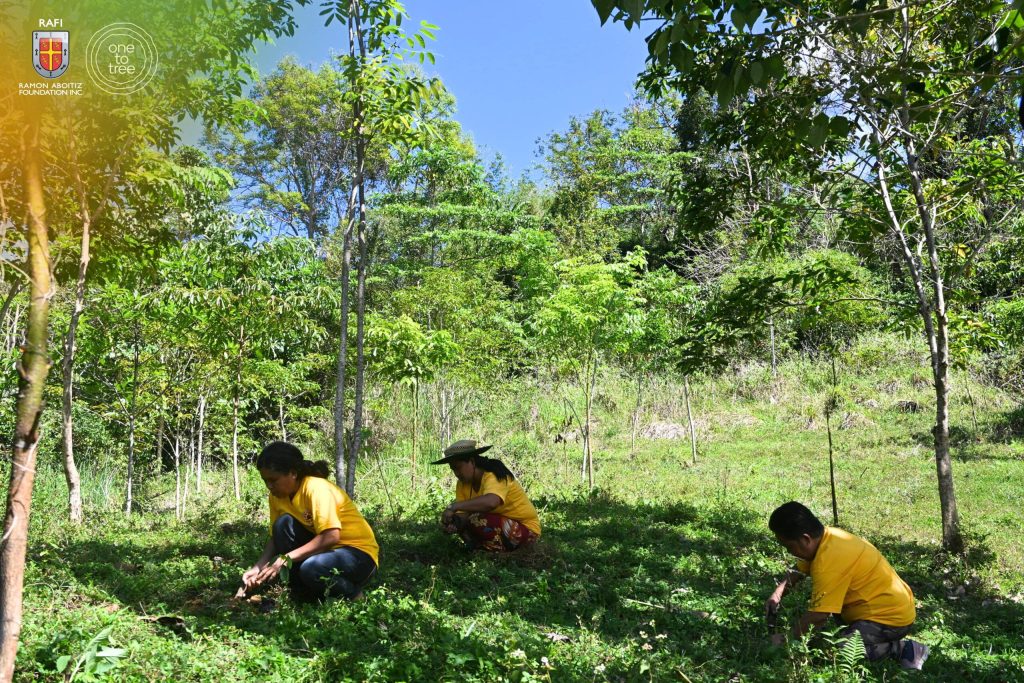
CSR environmental programs in the Philippines allow businesses to support solutions that create real, lasting impact. Reforestation stands out as a practical and credible way to contribute, especially when approached with long‑term care, ecological responsibility, and community connection.
When supported thoughtfully, reforestation becomes more than an initiative; it becomes an investment in healthier ecosystems and a more resilient future.
Partner with us to support sustainable reforestation and help create long-term environmental impact across the Philippines.
🌱 Strengthen your company’s environmental impact with reforestation efforts that are built for the long term. Work with RAFI One to Tree to support tree-growing initiatives that help restore landscapes, engage communities, and create meaningful sustainability outcomes across the Philippines.