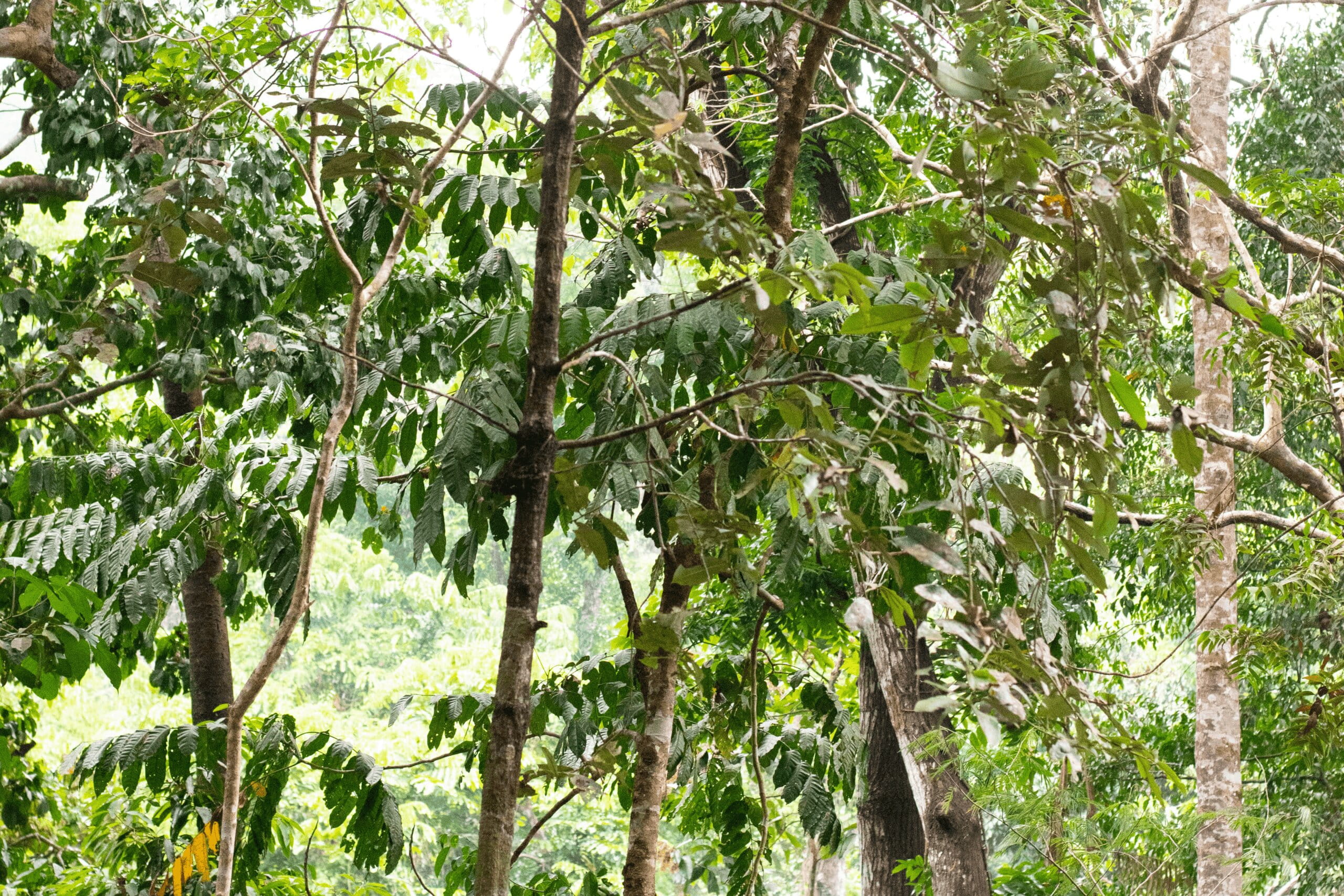
Endemic species in the Philippines are part of what makes the country’s natural environment truly special. These are plants and animals that are found naturally in the Philippines and nowhere else in the world.
From forest birds and native trees to rare flowers, reptiles, insects, and mammals, endemic species help tell the story of our islands. These species are naturally selected by our local mountains, coastlines, forests, rivers, and communities. When we protect them, we are not only protecting wildlife. We are protecting the living part of our national identity.
The Philippines is recognized as one of the world’s biodiversity hotspot, with high levels of endemism across plants and animals. According to the Philippine Clearing House Mechanism, the country has more than 52,000 described species, with about half considered endemic or found nowhere else on Earth.
For RAFI One to Tree, this is one of the reasons native tree growing matters. Every native tree that survives and matures can help rebuild habitat, support wildlife, and strengthen the natural systems that allow Philippine biodiversity to thrive.
At A Glance
What Are Endemic Species?
Endemic species are plants, animals, or other living organisms that exist naturally in only one place. For instance, a species may be endemic to the Philippines, to a specific island, or even to a particular mountain range or forest area. This makes them incredibly valuable, but also vulnerable. If their habitat disappears, they may have nowhere else to go.
Because of this, endemic flora and fauna in the Philippines need long-term protection. They are not mere decorative elements of nature. They balance ecosystems that support clean air, healthy soil, stable watersheds, food sources, and climate resilience.
Some endemic species are well known, while many others are less visible. Some of these unnoticeable species are birds that depend on forest canopies; insects that help pollinate native plants, or other smaller wildlife that live quietly in healthy habitats. Although they’re not usually seen every day, they play a crucial role in keeping ecosystems healthy.
Why the Philippines Has So Many Endemic Species
The Philippines is made up of thousands of islands, each with different landscapes and ecosystems. Over time, plants and animals have adapted to these unique environments. Species that evolved in one island forest may not exist anywhere else. A native tree that grows well in one region may support wildlife that has also adapted to that same habitat. That unique connection is what makes Philippine biodiversity so incredible.
The Philippines is also considered one of the world’s biodiversity hotspots, highlighting both its high number of unique species and the urgent threats many of them face. The Convention on Biological Diversity notes that species endemism in the Philippines is remarkably high, including at least 25 genera of plants and around 49% of terrestrial wildlife.
This rich biodiversity calls for immediate care. When forests are cleared, rivers are polluted, or habitats are disrupted, endemic species face growing challenges. However, by taking mindful action, we can ensure these spaces are still protected and restored.
Why Endemic Flora Matters
When people talk about wildlife, animals often get most of the attention. Along with animals, endemic plants are just as important.
Endemic flora includes native trees, shrubs, flowering plants, ferns, and other plant life that evolved in Philippine environments. These plants support entire ecosystems. They provide food, shelter, nesting spaces, and natural balance in the environment.
Native trees, in particular, are important because they are already suited to local climate conditions, soil types, and surrounding species. When the right native trees are grown in the right places, they can help restore habitats in a way that feels more natural and lasting.
This is also why native tree growing should not be replaced with fast, short-term planting just for the sake of numbers. A tree that grows well, survives, and becomes part of the ecosystem can do more for biodiversity than a seedling that is planted and forgotten.
Why Endemic Fauna Matters
Endemic fauna refers to animals found only in a certain place. In the Philippines, this includes many birds, mammals, reptiles, amphibians, insects, and marine species.
These animals help ecosystems function. Some spread seeds. Some pollinate plants. Some help control pests. Others are signs that a forest, river, or coastal habitat is still healthy.
When endemic animals disappear, the effects can ripple through the ecosystem. A forest may lose natural seed dispersers. Plants may struggle to reproduce. Food chains may weaken. Communities may also lose part of their natural heritage.
Protecting endemic fauna is not only about saving individual species. It is about keeping ecosystems whole.
The Link Between Habitat Loss and Biodiversity Decline
Many endemic species are vulnerable because they live in limited areas. If their habitat is damaged, they may not be able to move somewhere else and survive.
This is why forest restoration matters.
When native forests are reduced, fragmented, or converted for other uses, the plants and animals that depend on them become more at risk. Habitat loss can also make it harder for species to find food, reproduce, and maintain healthy populations.
The Philippines has 228 recognized Key Biodiversity Areas, which are home to globally important species across plants, corals, mollusks, fishes, amphibians, reptiles, birds, and mammals. This shows how important local habitats are, not only for the Philippines but also for global biodiversity.
For communities, protecting these habitats also means protecting natural resources that support everyday life. Healthy forests help with water regulation, soil stability, cleaner air, and climate resilience.
Impact Snapshot: Native Trees as Living Habitat
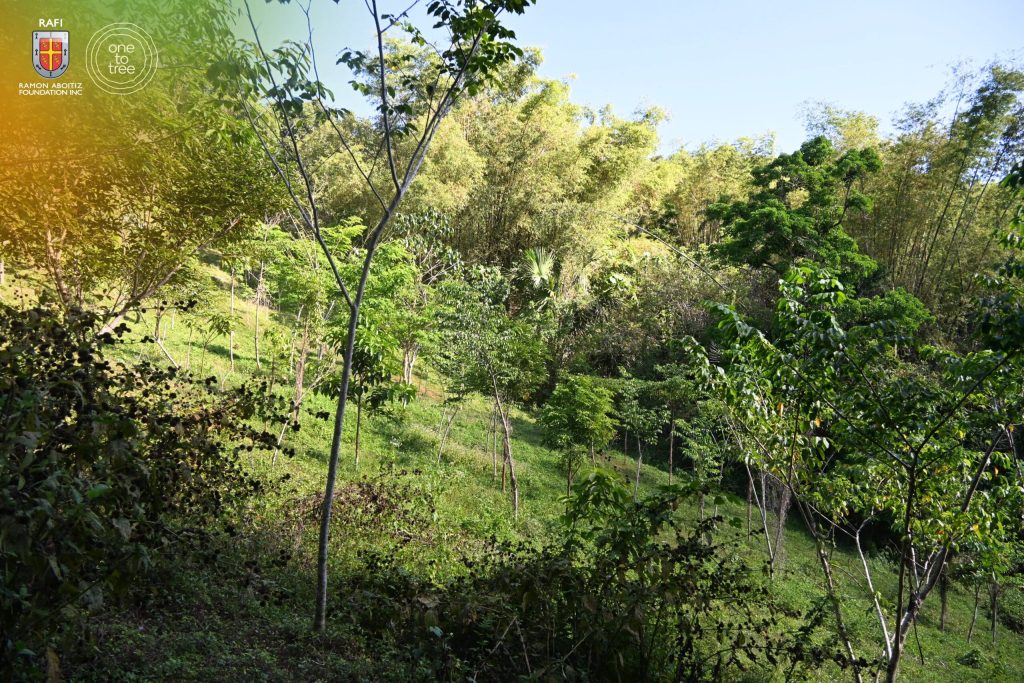
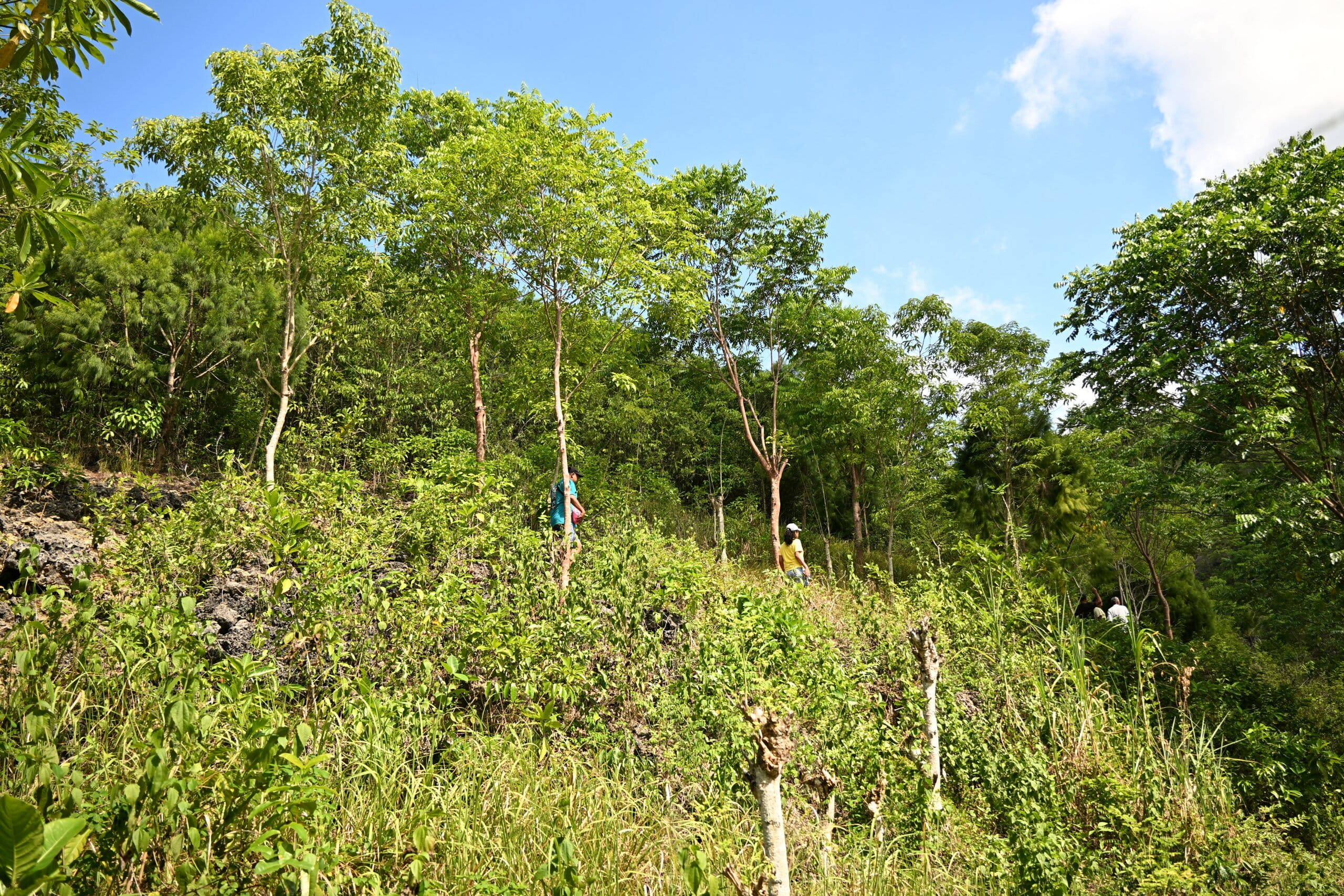
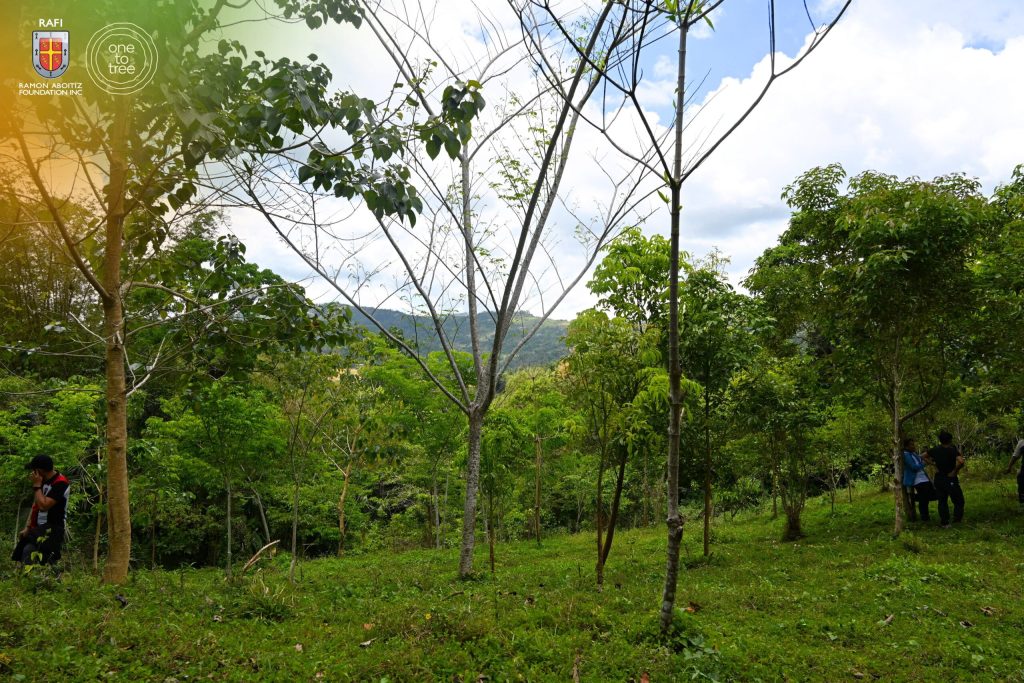
Native tree growing supports endemic species in the Philippines by helping restore the natural spaces they depend on.
Through RAFI One to Tree, tree growing is not treated as a one-day activity. The program focuses on native trees, long-term maintenance, and partnerships with communities, organizations, and local stakeholders.
RAFI One to Tree promotes native tree growing as a practical way to restore ecosystems, support biodiversity, and create lasting environmental impact. Its work is rooted in the idea that planting is only the beginning. Trees need to be nurtured so they can grow into stronger habitats over time.
A growing native tree can eventually provide:
- Food sources for birds, insects, and other wildlife
- Shade and shelter for smaller species
- Stronger soil protection
- Healthier watershed areas
- More connected green spaces for local ecosystems
This is why native tree growing is closely connected to biodiversity protection. A forest is more than just a group of trees. It is a living home for many species, including those that can only be found in the Philippines.
How Native Tree Growing Supports Philippine Biodiversity
Native tree growing helps restore the foundation that many species need: habitat.
It may not bring back a full forest overnight, but it creates the conditions for recovery. As trees grow, they help rebuild shade, soil health, moisture, and food sources. Over time, these improvements can support birds, insects, small animals, and other plant life.
For RAFI One to Tree, this is where community action becomes powerful. Biodiversity protection is not only the work of scientists or conservation groups. It can also involve families, schools, companies, local governments, farmers, fisherfolk, and volunteers.
Every tree that is cared for becomes part of a bigger story.
A native tree grown today can become a shelter for wildlife years from now. A restored area can become a stronger habitat. A community that learns the value of native trees can become a long-term steward of its environment.
Why This Matters for Communities
Protecting endemic species in the Philippines is not separate from protecting people.
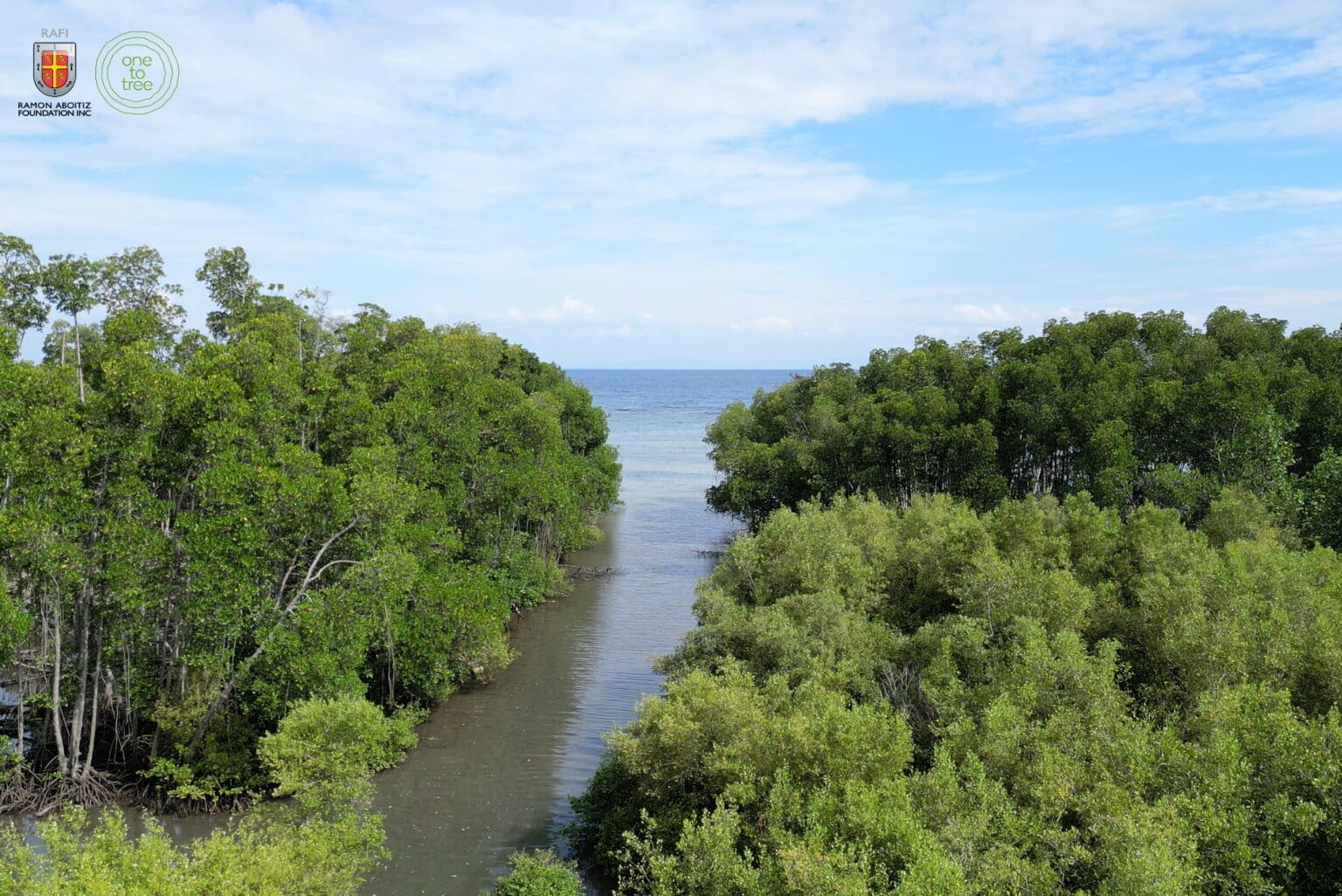
Healthy ecosystems support food security, water sources, disaster resilience, and local livelihoods. Forests help reduce erosion. Mangroves help protect coastlines. Native trees help restore balance in landscapes that communities depend on.
For people working closely with RAFI One to Tree, biodiversity protection is not just a scientific idea. In the story “Rooted in Motherhood: Why Arriane Magtarayo Chose to Grow Her Career with RAFI One to Tree,” Arriane Magtarayo shares how her commitment to biodiversity is tied to something deeply personal: the kind of future her child will inherit. Her story reminds us that healthy forests, clean air, safe food, and resilient communities are all connected. Protecting endemic species is ultimately part of protecting the everyday conditions that allow families and future generations to thrive.
When biodiversity declines, communities often feel the effects too. Flooding can worsen. Soil can weaken. Water sources can become less stable. Natural protection against extreme weather can be reduced.
With this, biodiversity work should be seen as community work, as it is about creating healthier places for both people and nature.
How Partners Can Help Protect Endemic Species
Companies, schools, organizations, and individuals can support biodiversity by choosing long-term environmental action instead of one-time activities.
For partners, this can mean supporting native tree growing, restoration sites, maintenance efforts, community education, and biodiversity awareness campaigns. These actions help create more meaningful impact because they go beyond symbolic planting.
RAFI One to Tree makes this type of participation more accessible by creating opportunities for partners to support native tree growing in ways that contribute to ecosystem restoration.
A good partnership does not only ask, “How many trees were planted?”
It also asks:
- Were the appropriate trees planted in the proper locations?
- Are the trees being cared for after planting?
- Can the site support biodiversity over time?
- Are communities involved in the process?
- Does the effort help restore real habitat?
These questions matter because endemic flora and fauna in the Philippines need more than attention. They need healthy places to live.
Frequently Asked Questions (FAQs)
What does endemic mean?
Endemic means a plant, animal, or other living species is naturally found only in a specific place. If a species is endemic to the Philippines, it means it does not naturally exist anywhere else in the world.
Why are endemic species in the Philippines important?
Endemic species help keep ecosystems balanced. They support food chains, pollination, seed dispersal, soil health, and natural habitat functions. They are also part of the country’s unique natural heritage.
What is the difference between native and endemic species?
A native species naturally occurs in a place, but it may also be found in other countries. An endemic species is more specific because it is naturally found only in one area, such as the Philippines or a particular island.
How does native tree growing help endemic flora and fauna?
Native tree growing helps restore habitat. When native trees reach maturity, they can offer wildlife, including species that rely on Philippine ecosystems, food, shade, shelter, and places to nest.
How can individuals or groups contribute to the preservation of Philippine biodiversity?
They can support native tree growing, habitat restoration, environmental education, responsible land use, and long-term conservation partnerships. Working with programs like RAFI One to Tree helps turn support into practical action.
Conclusion: Protecting What Can Only Be Found Here
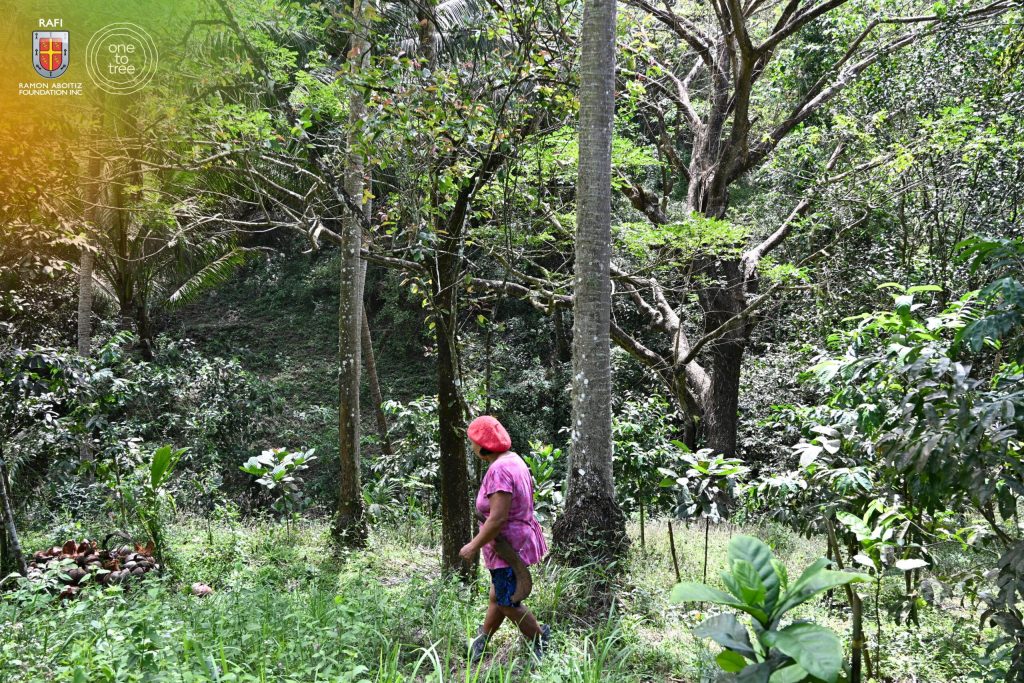
Endemic species in the Philippines remind us that some parts of nature cannot be replaced once they are lost.
They are part of our forests, our islands, our communities, and our future. Understanding their importance and endorsing initiatives that help in the restoration of the habitats they require are the first steps in protecting them.
Through native tree growing, long-term care, and community partnerships, RAFI One to Tree helps create spaces where biodiversity can recover. Each tree grown with purpose becomes part of a larger effort to protect Philippine biodiversity for the next generation.
When we care for endemic species, we care for something deeply Filipino. We protect what can only be found here.
🌱 Help grow habitats for the future. Every native tree has the potential to become part of a living home for birds, insects, plants, and communities. By supporting RAFI One to Tree, you help protect the natural spaces that endemic species need to survive and thrive.