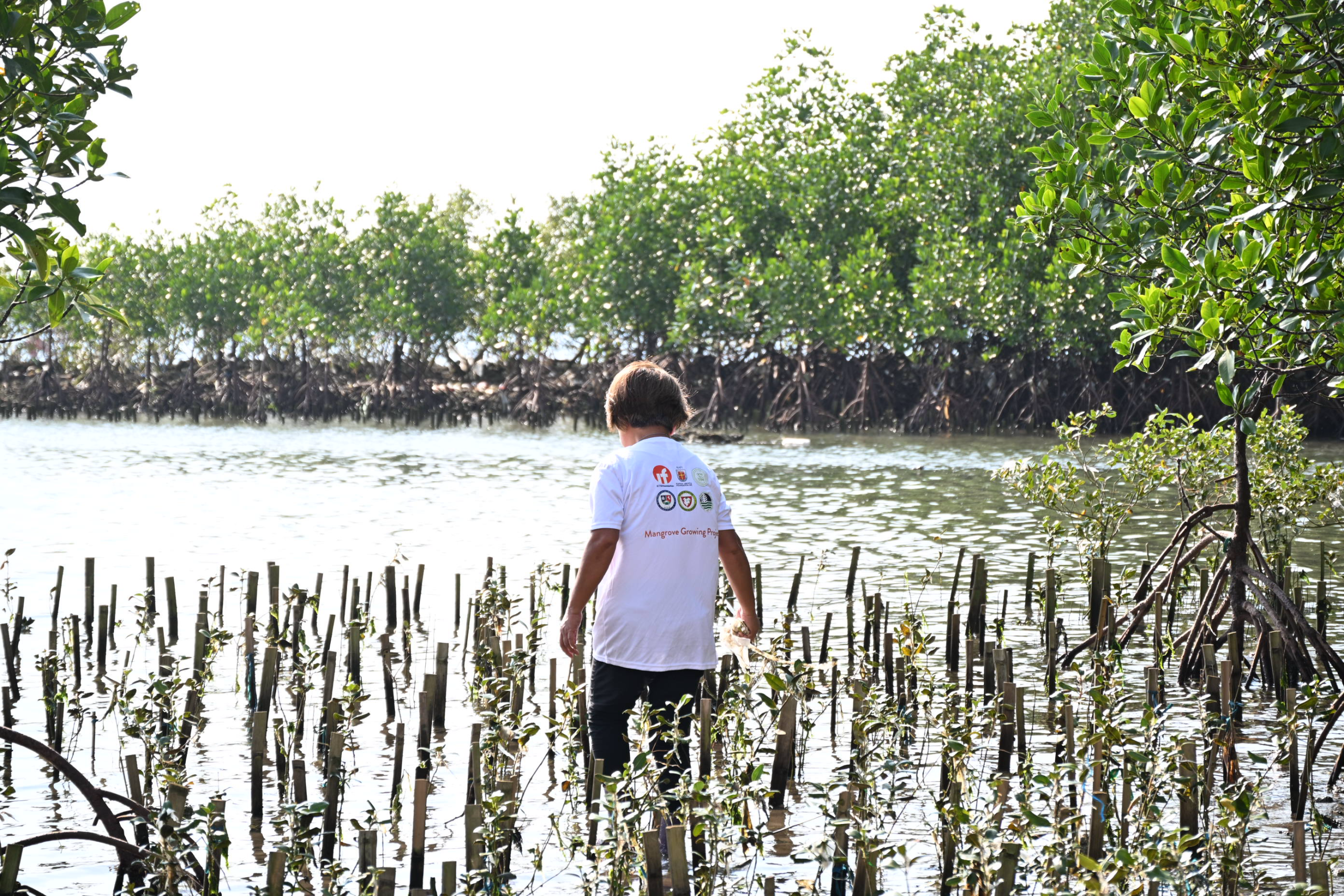
Climate resilience for communities begins before an emergency. It takes shape in decisions about where homes are built, how families receive warnings, and whether the forests around a village are protected or disappearing.
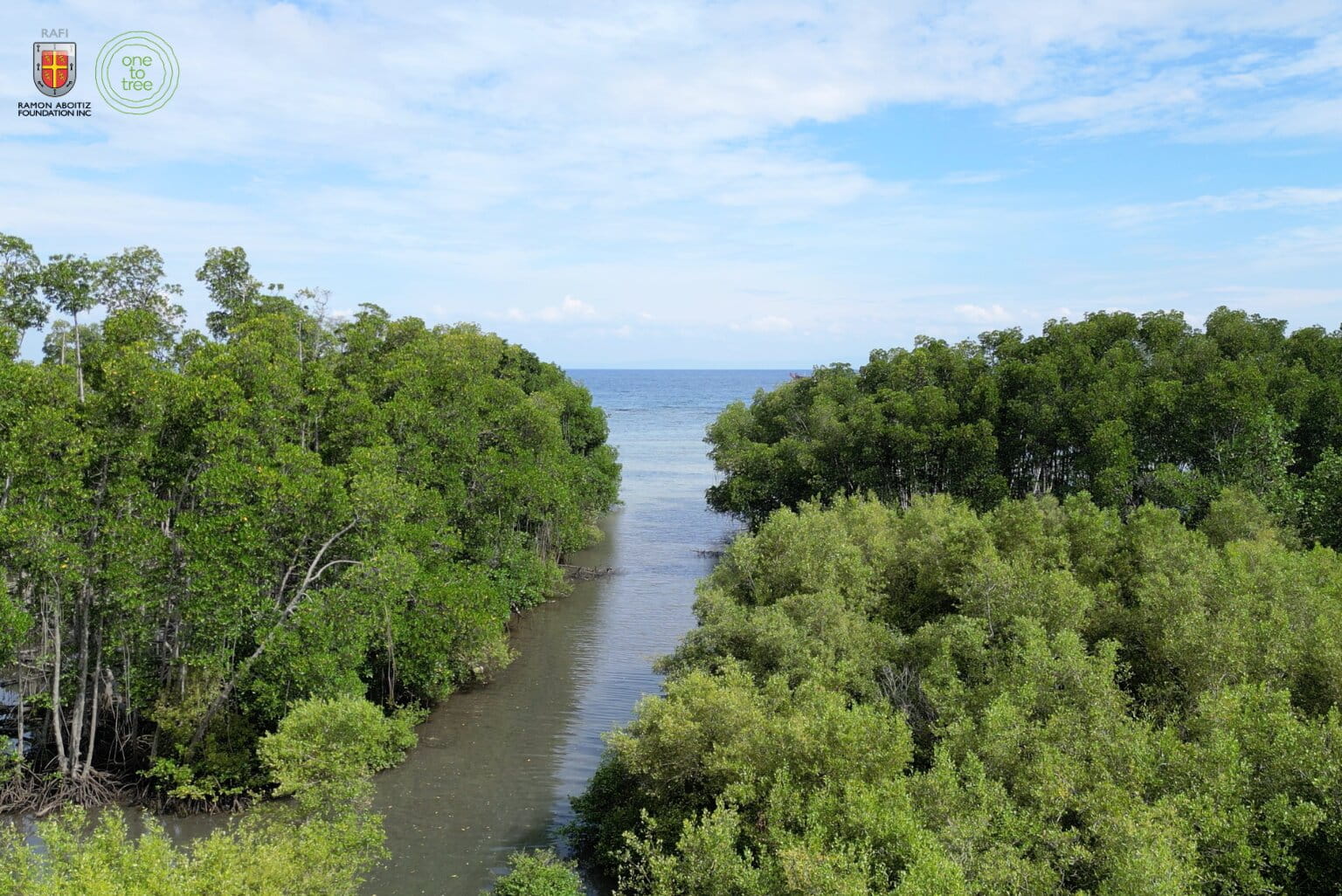
For a coastal barangay, preparation may include caring for mangroves along fishing grounds. For an upland community, it may mean protecting forest cover on vulnerable land. These decisions can influence how much disruption people face when conditions become difficult.
Last October 24, 2026, the commemoration of the International Day for Climate Action invited us to look at that preparation more closely. Forests have a valuable role, especially when their care is connected to the needs and knowledge of the people living nearby.
At A Glance
What Does Resilience Look Like in Daily Life?
A resilient community can prepare for changing conditions, respond when disruption happens, and recover while learning what to do differently next time.
That might mean a farmer has support to adjust to changing rainfall, or a fishing community protects habitats that help sustain its livelihood. It also means people have information, services, and resources they can use when familiar routines are interrupted.
Climate resilience for communities therefore involves both the surrounding environment and people's ability to act. A healthy landscape contributes to that ability; alongside safe housing, reliable warnings, accessible evacuation routes, and strong local organizations.
Impact Snapshot: Match Forest Care to Local Needs
The relationship between forests and disaster risk reduction becomes clearer when each action has a specific purpose.
| Community need | Potential forest contribution | Complementary action |
|---|---|---|
| Reduce coastal exposure | Protect suitable mangrove habitat that can weaken waves | Maintain warning systems and evacuation plans |
| Limit soil loss | Restore appropriate vegetation on degraded forest land | Assess slopes and improve land management |
| Access to cooler and more comfortable spaces | Retain and establish suitable shade trees | Provide drinking water and places to rest |
| Sustain natural resources | Protect habitats that support local livelihoods | Strengthen livelihood skills and access to support |
The benefits will vary with the site and the care it receives. Connecting forest care to a defined need makes climate resilience for communities more practical to plan and evaluate.
Climate Resilience Starts with the Right Landscape
Forest-based climate adaptation means caring for forest ecosystems to help people cope with climate impacts. It is part of what the United Nations Environment Programme calls ecosystem-based adaptation.
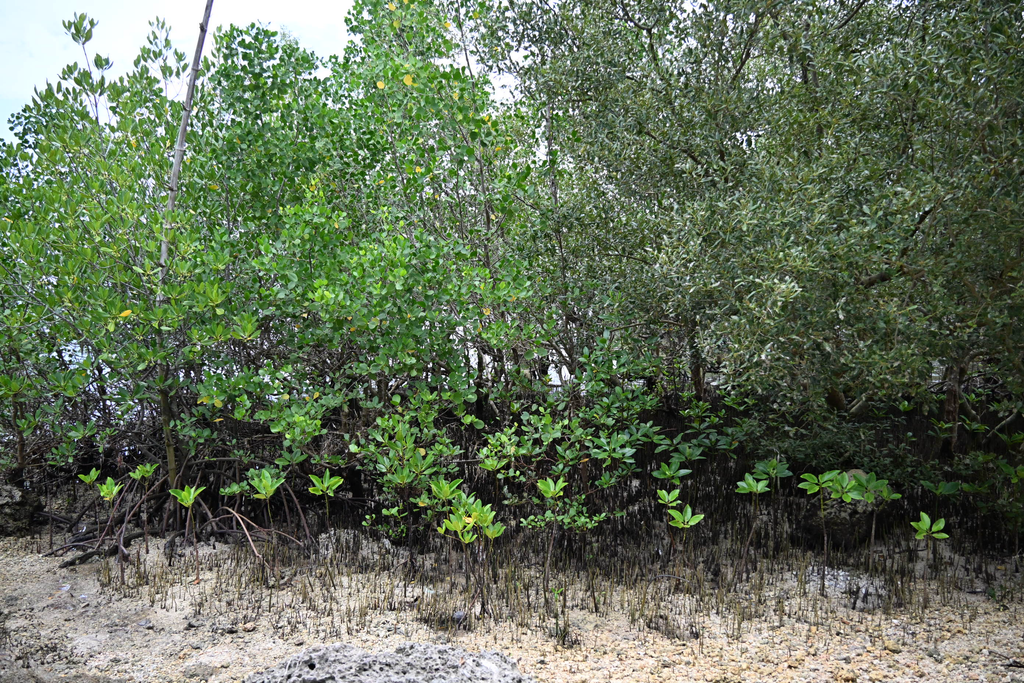
Along suitable coastlines, mangroves can reduce wave energy and help limit erosion. They also provide nursery habitat for fish, connecting coastal protection with resources fishing families depend on.
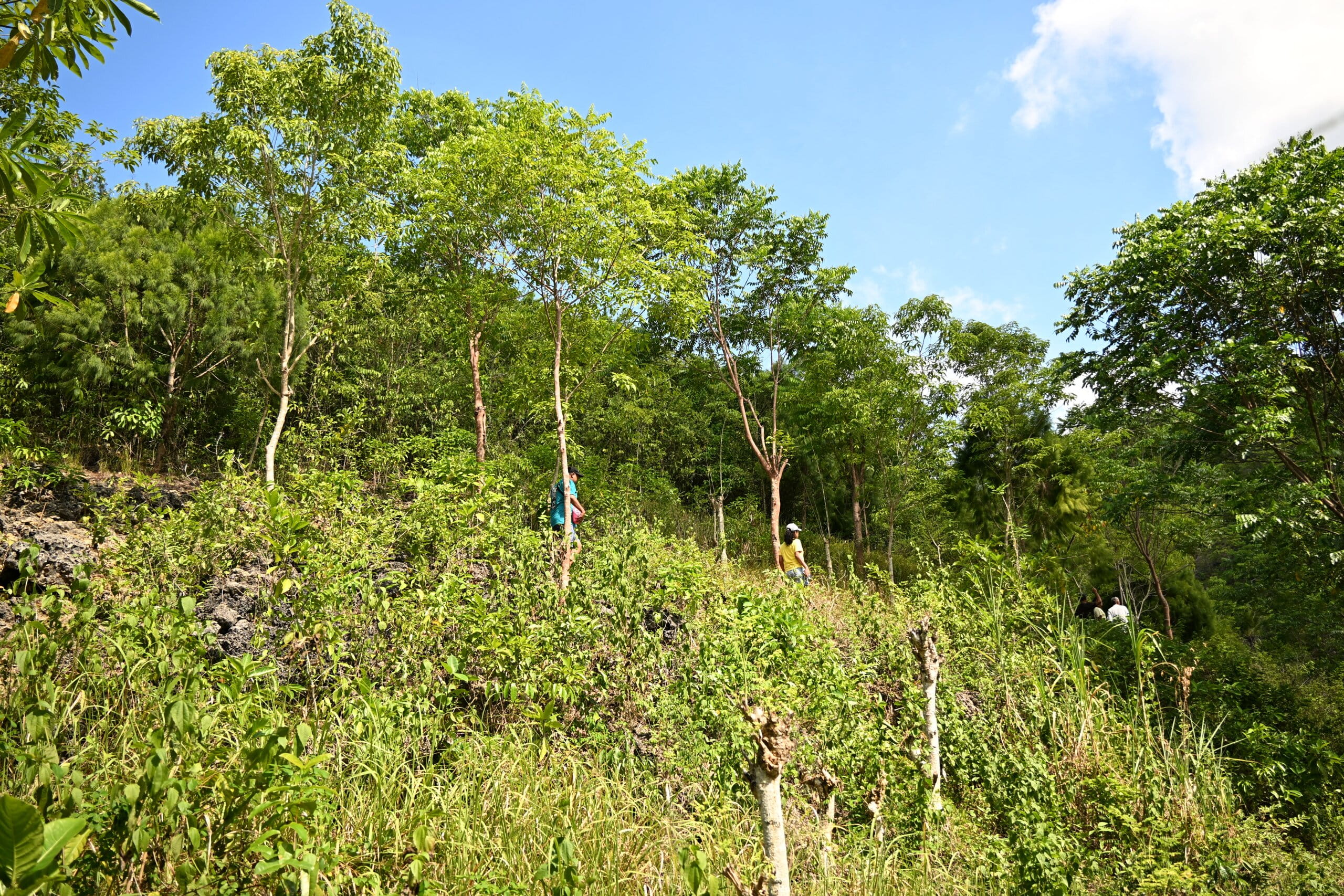
In upland areas, forest vegetation, roots, and ground cover can help reduce surface erosion. Forests also influence how rainfall moves through a landscape. The IPCC's assessment of adaptation options recognizes that upstream forests can reduce flood risk in many circumstances, while emphasizing that adaptation has limits.
Around settlements, appropriate tree cover can provide shade and help cool nearby spaces. A shaded place to walk or rest can make daily activities more manageable during hot weather.
Each benefit depends on location and condition. A forest far from a school will not shade its playground. A narrow, damaged mangrove area cannot offer the same protection as a healthy coastal ecosystem. The useful starting question is: what pressure does this community need help with?
Protect the Forests Already Protecting Us
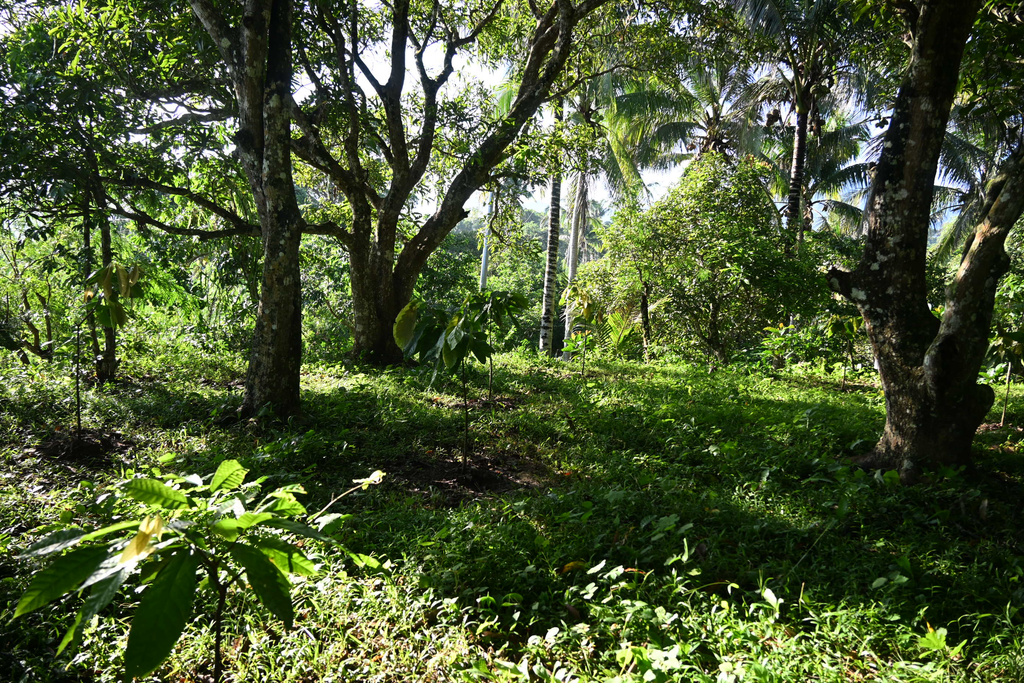
New seedlings attract attention, but existing forests deserve an early place in adaptation plans. Their established vegetation and ecological relationships are already providing benefits that young planting sites need time to develop.
Before arranging a planting activity, communities and technical teams can identify existing forest areas under pressure, understand the causes of degradation, and decide where protection or restoration is appropriate.
Forest-based climate adaptation also needs to account for the pressures trees themselves face. Storm damage, drought, fire, and changing site conditions can affect forests. Species selection and management should consider these risks, with room to adjust as conditions change.
The aim is a functioning ecosystem suited to its setting, with benefits that can continue as the landscape changes.
Give Communities the Means to Prepare
Picture a barangay discussion with a map on the table. A fisher points out an eroding stretch of coast. A farmer identifies exposed ground. A parent mentions a route children walk in the afternoon heat.
These observations give community climate preparedness a place to begin. Technical guidance can then help distinguish where forest care could contribute and where other measures are needed.
Participation also asks something of residents: time away from work, travel, and responsibility for ongoing tasks. A workable plan should recognize those costs and agree on who provides training, tools, coordination, and support.
RAFI's story of Arriane Magtarayo's work with One to Tree describes the coordination behind partnerships, connecting organizational goals with local stakeholders and community stewardship. Her work offers a useful reminder that environmental commitments need people who can turn them into supported activities.
For businesses and institutions, this creates a practical role: help fund and support the work that communities and restoration teams have identified together. Community climate preparedness becomes more achievable when responsibilities come with the means to carry them out. Partners can explore RAFI One to Tree’s restoration work as a starting point for that conversation.
Frequently Asked Questions (FAQs)
Is planting trees the same as offsetting emissions?
No. Supporting restoration does not automatically create verified carbon offsets. Carbon claims require appropriate accounting and verification. Organizations should describe their contribution accurately and continue reducing their own emissions.
Can damaged forests recover without new planting?
Sometimes. Where natural regeneration is possible, protecting young growth and addressing pressures can help recovery. A site assessment can determine whether planting, assisted regeneration, or a combination is suitable.
Which trees suit areas exposed to strong storms?
Species should suit local soil, exposure, and ecological conditions. No tree is guaranteed to withstand every storm. Local forestry advice can guide species selection, planting locations, and the care needed as trees grow.
How can schools participate without a planting site?
Schools can map shade around their grounds, discuss local environmental changes, and arrange learning activities with restoration practitioners. Activities should suit students' ages and avoid hazardous field conditions.
Does a distant forest project protect our own barangay?
Its direct protective benefits may primarily serve the project area. Ask where benefits are expected and who is likely to receive them. Local risk reduction needs actions connected to local exposure.
Conclusion: Prepare Together, Starting Today
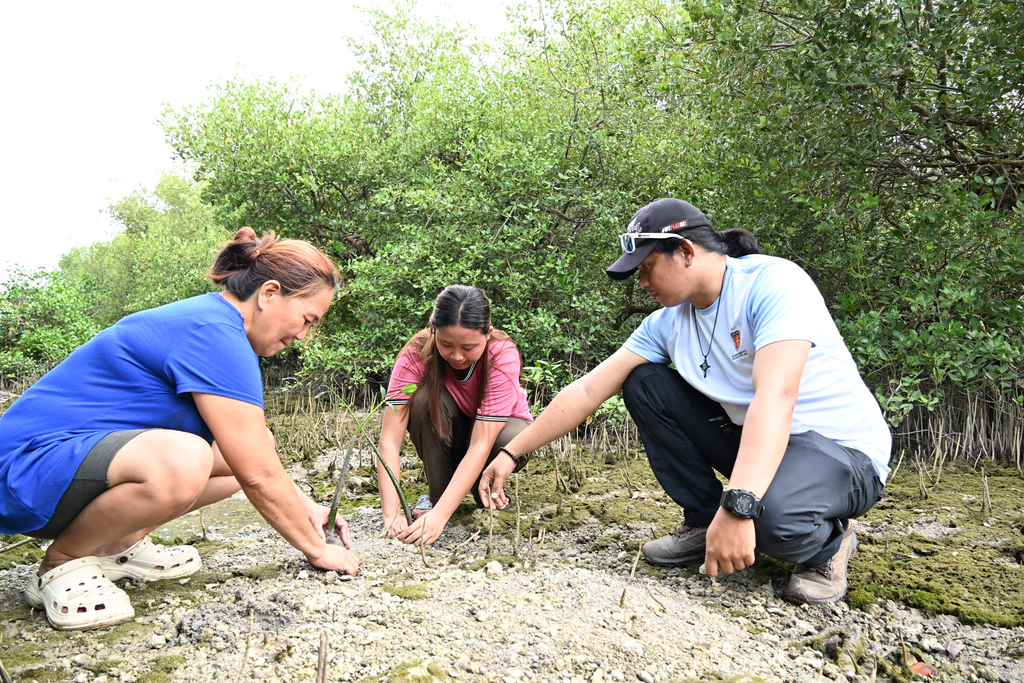
Climate resilience for communities grows through decisions that make everyday life less vulnerable: protecting useful forest cover, restoring appropriate areas, and giving residents the support to participate.
The International Climate Day of Action is an opportunity to bring those decisions into a shared plan. Looking at forests and disaster risk reduction together can help identify where nature contributes and what additional preparation people need.
The goal is a community with more options when conditions change, and people who have the resources to act on them.
🌱Partner With Us to Support Local Preparedness. Help turn a community's restoration priorities into work that can move forward. Partner with RAFI One to Tree to explore appropriate forest restoration and the resources needed to sustain it.