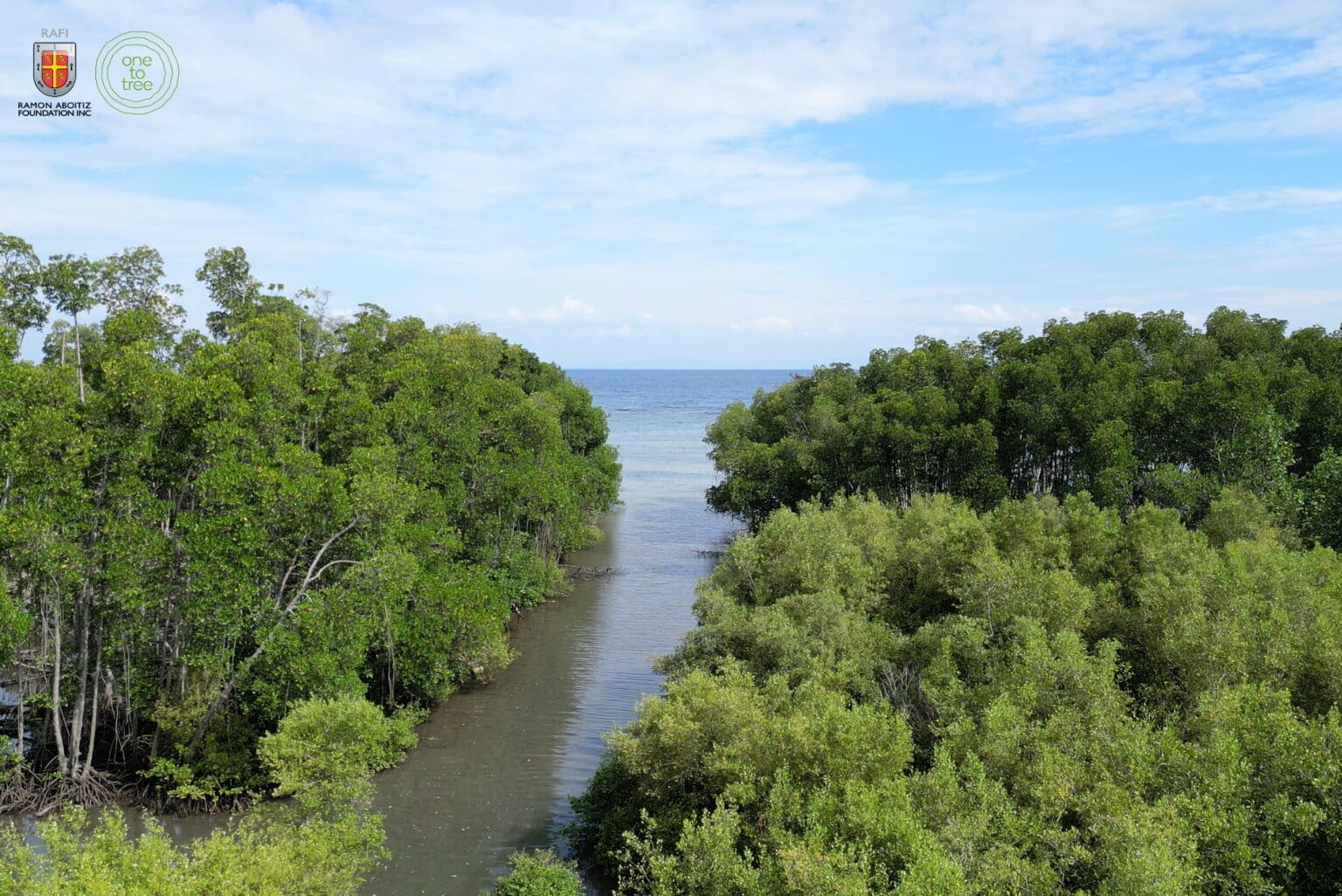
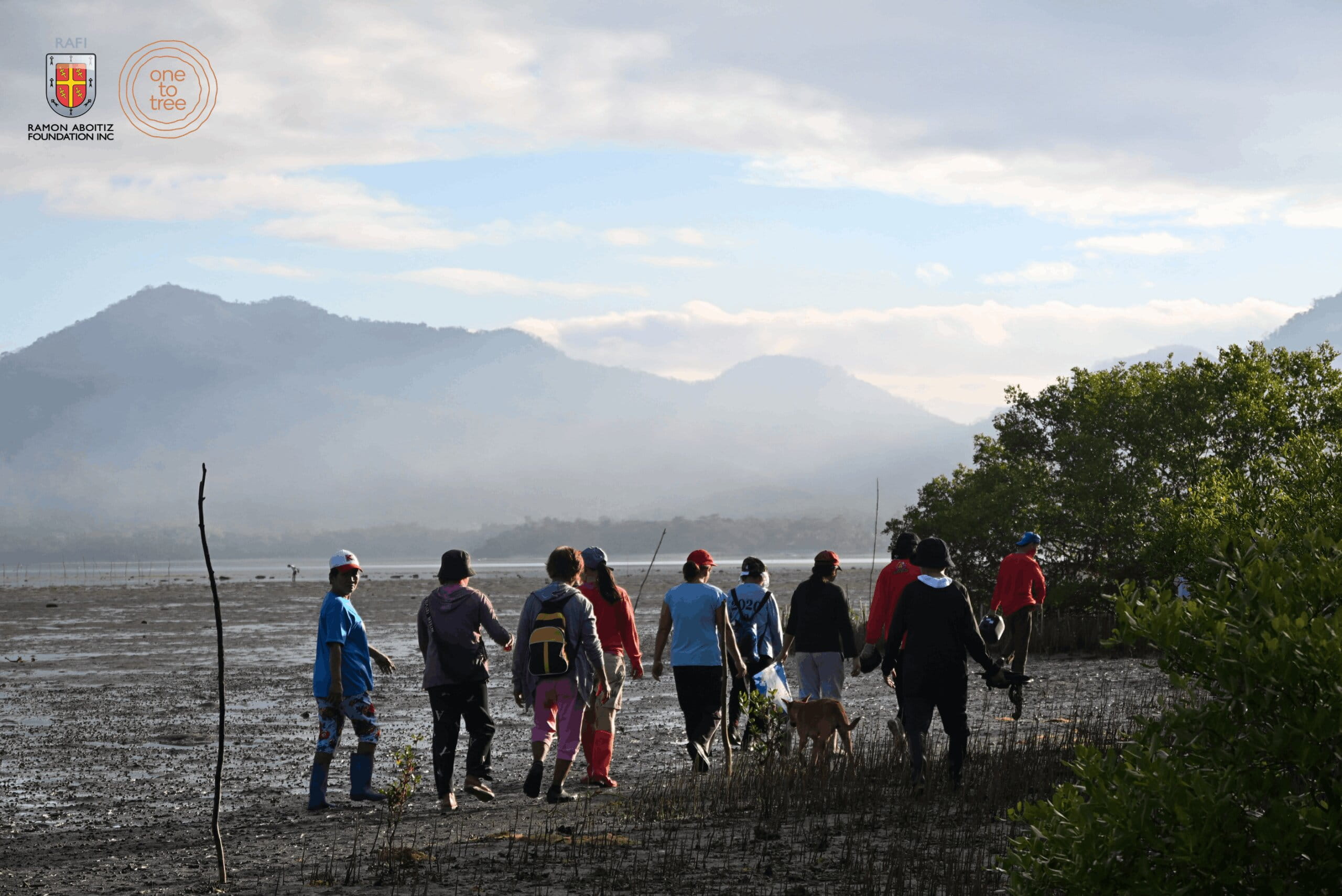
Mangrove planting in the Philippines is about more than adding trees to the shoreline. It is about helping protect coastal ecosystems, supporting fishing communities, and strengthening the natural systems that many families rely on every day. In a country with long coastlines and communities that face storms, erosion, and changing environmental conditions, mangroves play an important role in both ecological health and human well-being. Mangroves are widely recognized in the Philippines as nature-based solutions that help protect coastlines, support biodiversity, and contribute to climate resilience.
For organizations looking to support environmental action, mangrove restoration also offers a meaningful way to invest in places where protection and livelihoods are closely linked. It connects environmental stewardship with community impact, making it a strong fit for companies, institutions, and partners that want to create visible and lasting value.
At A Glance
Why Mangroves Matter in the Philippines
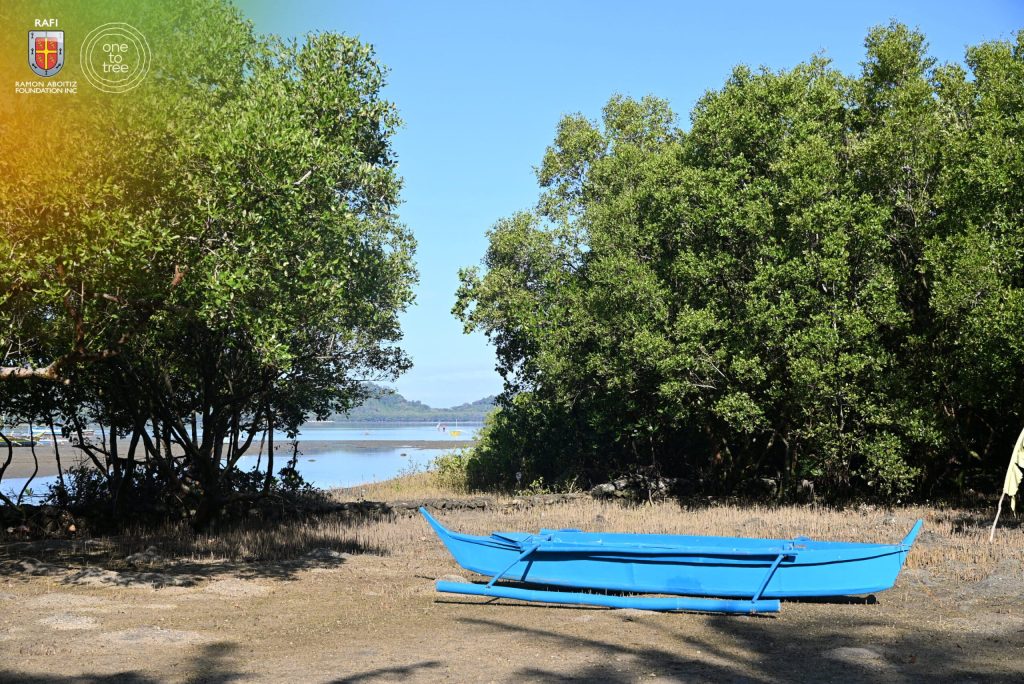
The Philippines is home to rich coastal and marine biodiversity, and mangrove forests are part of the ecological systems that help keep these environments productive and resilient. Healthy mangroves serve as breeding and nursery grounds for many marine species, help stabilize shorelines, and reduce the impact of flooding, waves, and erosion. They are also associated with food security and income stability in coastal communities.
This matters because coastal ecosystems are not isolated from daily life. When mangroves are degraded, the effects can reach fisheries, local incomes, biodiversity, and disaster resilience. When they are protected and restored, the benefits extend across both nature and community well-being. Philippine and international sources consistently describe mangroves as valuable for fisheries, wildlife, coastal protection, and climate adaptation.
The Link Between Mangroves and Coastal Livelihoods
One of the strongest reasons to support mangrove planting in the Philippines is its connection to coastal livelihoods. Many communities depend on healthy shorelines and marine resources for food, work, and long-term stability. Mangroves help sustain these systems by providing habitat for fish and other marine life, reducing environmental stress on coastal areas, and protecting the natural conditions that support local livelihoods. FAO and Philippine government sources both highlight mangroves’ role in safeguarding coastal livelihoods and supporting food security and income stability.
This makes mangrove restoration especially valuable in places where environmental protection and economic resilience go hand in hand. It is not only an environmental effort. It is also a practical investment in communities whose lives are closely connected to coastal ecosystems.
Beyond Planting: Why Long-Term Protection Matters
Planting is an important first step, but long-term success depends on more than putting seedlings in the ground. Mangrove restoration works best when it is guided by the right site conditions, suitable species, and continued community care. Lessons from community-based mangrove rehabilitation in the Philippines show that sustainability improves when restoration is locally informed and supported over time, rather than treated as a one-time activity.
This is an important point for partners and supporters. The goal should not be planting for visibility alone. The goal should be supporting ecosystems in ways that give them a stronger chance to thrive. That means thinking about stewardship, survival, and long-term value, not just the number of seedlings planted in a single event.
Impact Snapshot: How Mangroves Support Coasts and Communities
Mangroves support multiple layers of impact at the same time:
- Coastal protection: They help reduce shoreline erosion and lessen damage from waves, flooding, and storm surges.
- Biodiversity support: They provide habitat and nursery areas for marine life and help sustain wider coastal ecosystems.
- Livelihood resilience: They contribute to food security, fisheries health, and income stability for coastal communities.
- Climate value: They are recognized as nature-based solutions that contribute to carbon storage and climate resilience.
Why This Matters for Corporate and Institutional Partners
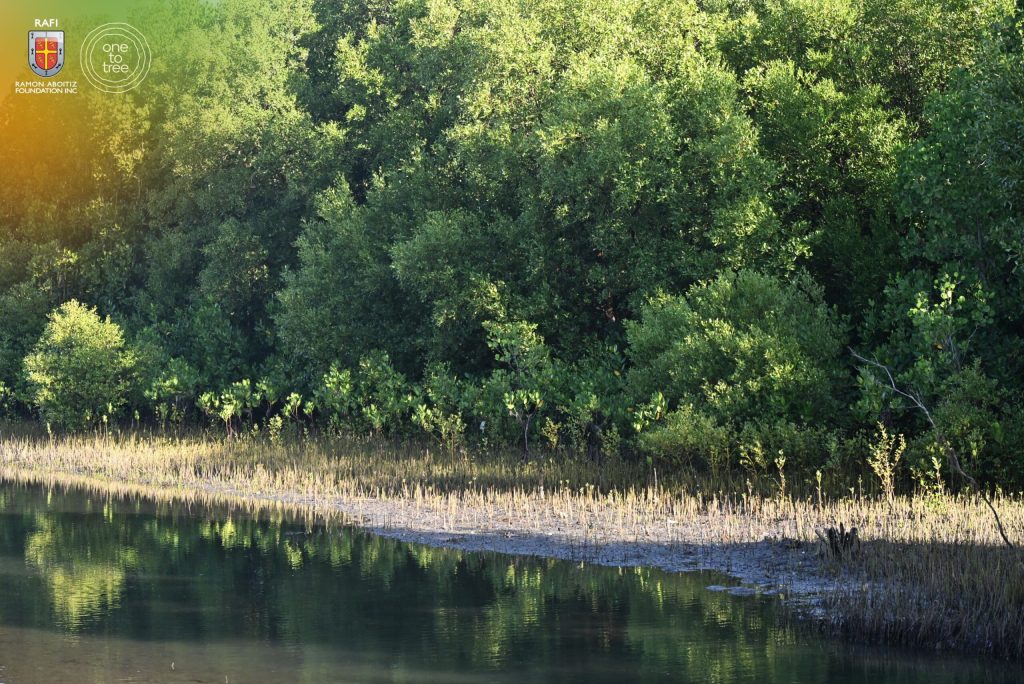
For companies and organizations exploring environmental partnerships, mangrove restoration offers a strong combination of ecological relevance and community value. It supports visible action on sustainability while connecting that effort to people, place, and long-term resilience.
It can also align well with broader ESG, CSR, and community engagement goals. Rather than treating sustainability as a separate initiative, mangrove restoration can become part of a more grounded strategy, one that supports coastal ecosystems while helping protect livelihoods and local communities. In the Philippine context, where coastal resilience is deeply important, that kind of partnership can carry real meaning.
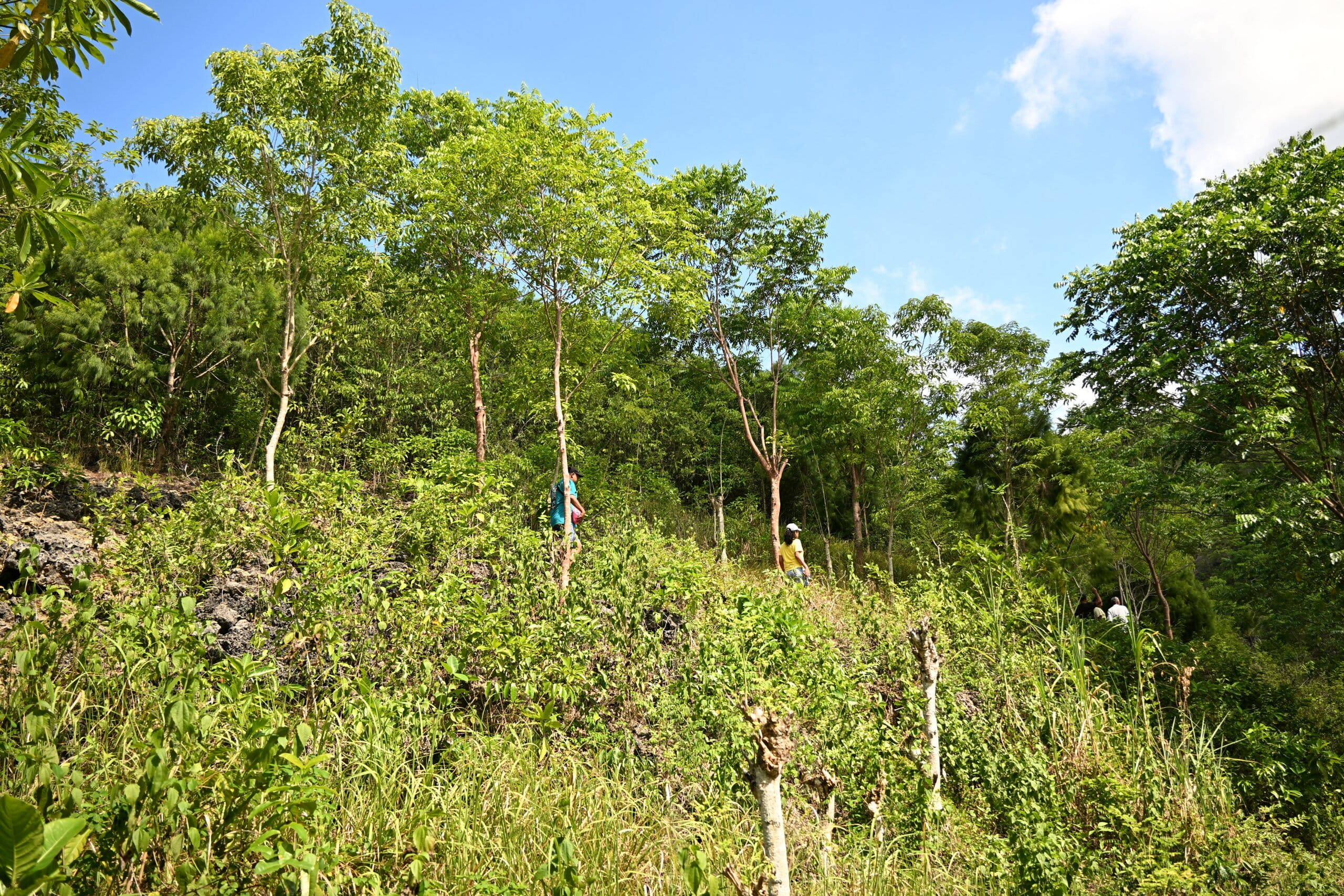
For RAFI One To Tree, this also fits the broader idea that tree-growing efforts can support communities in different landscapes across the country. While previous conversations around reforestation may focus more on upland or watershed settings, mangrove ecosystems show that environmental action can also strengthen coastal areas in ways that matter directly to people’s daily lives.
Mangrove Planting as Part of a Bigger Restoration Mindset
Mangrove planting in the Philippines should be seen as part of a bigger restoration mindset. Coastal ecosystems need protection, proper planning, and continued care. Communities need approaches that recognize local realities. Partners need programs that create meaningful outcomes, not only short-term activity.
That is why the best restoration efforts are usually the ones that balance environmental goals with community participation and long-term stewardship. They understand that protecting coastal ecosystems is also about protecting the people who depend on them.
Partner With Us
If your organization is looking for a meaningful way to support environmental action, mangrove restoration can be part of a broader commitment to community resilience and long-term sustainability. Partnering with programs that value both ecosystems and people can help create impact that goes beyond a single planting day.
Frequently Asked Questions (FAQs)
Why is mangrove planting in the Philippines important?
Mangrove planting in the Philippines is important because mangroves help protect shorelines, support marine biodiversity, and contribute to the well-being of coastal communities. They also play a role in climate resilience and disaster risk reduction.
How do mangroves help coastal ecosystems?
Mangroves help coastal ecosystems by stabilizing shorelines, reducing erosion, serving as nursery habitats for marine species, and supporting the health of nearby coastal and marine environments.
What is the connection between mangroves and livelihoods?
Mangroves support livelihoods by helping maintain fisheries, food security, and the environmental conditions that many coastal communities depend on for income and daily life.
Is planting mangroves enough on its own?
Not always. Planting is important, but long-term success also depends on proper site selection, suitable species, ongoing care, and community-based stewardship.
How can companies support mangrove restoration?
Companies can support mangrove restoration by partnering with credible environmental programs, aligning their support with long-term sustainability goals, and helping fund restoration efforts that benefit both ecosystems and communities.
Conclusion
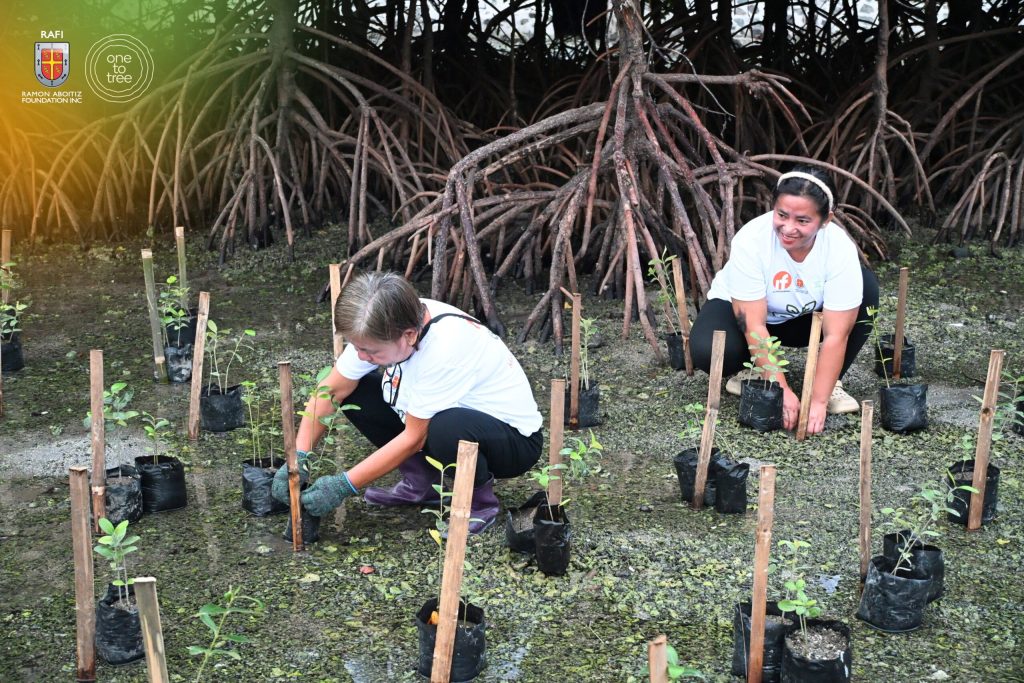
Mangrove planting in the Philippines is a powerful example of how environmental action can protect both nature and people. It supports coastal ecosystems, helps strengthen coastal livelihoods, and contributes to a more resilient future for communities facing growing environmental pressures.
In a country where shorelines are closely tied to biodiversity, food systems, and local economies, mangroves are not just trees at the water’s edge. They are part of the natural infrastructure that helps communities endure and thrive. Philippine sources and international organizations consistently describe mangroves as critical to coastal protection, biodiversity, fisheries, and climate resilience.
Supporting this kind of work means supporting a more connected vision of restoration, one that values ecosystems, livelihoods, and long-term stewardship together.
🐚 Healthy coastlines support healthy communities. By backing restoration efforts that protect coastal ecosystems and livelihoods, your organization can help create impact that lasts beyond a single season.