
Corporate sustainability in the Philippines is no longer just about annual reports or one-time environmental activities. For many businesses, it has become part of how they build trust, manage risk, and show responsibility to the communities they serve.
As climate and sustainability concerns grow, companies are being asked a simple question: what are you doing that creates real value for people and the planet?
Tree growing can be one practical answer. When planned and implemented responsibly, it can complement a company’s Environmental, Social and Governance (ESG) strategy by supporting environmental restoration, community involvement, and clearer sustainability action.
At A Glance
Why Corporate Sustainability Matters Today
The significance of corporate sustainability has grown as Filipino consumers, workers, partners, and communities become more aware of how companies impact their surroundings.
Globally, corporate sustainability is often connected to responsible business practices in areas such as human rights, labor, the environment, and anti-corruption (United Nations Global Compact, n.d.). It also relates to everyday realities in the Philippine context, such as the need to preserve natural resources for future generations, hotter days, more rain, and interrupted routines.
For companies, this means sustainability is not only about doing good. It's also about being responsible in a market where customers want more specific and visible environmental commitments.
How Tree Growing Can Support an ESG Strategy
ESG looks at how a company manages environmental, social, and governance-related responsibilities. Although tree growing shouldn't be promoted as a stand-alone ESG solution, the initiative can help supplement ESG objectives if it is well planned, implemented and documented.
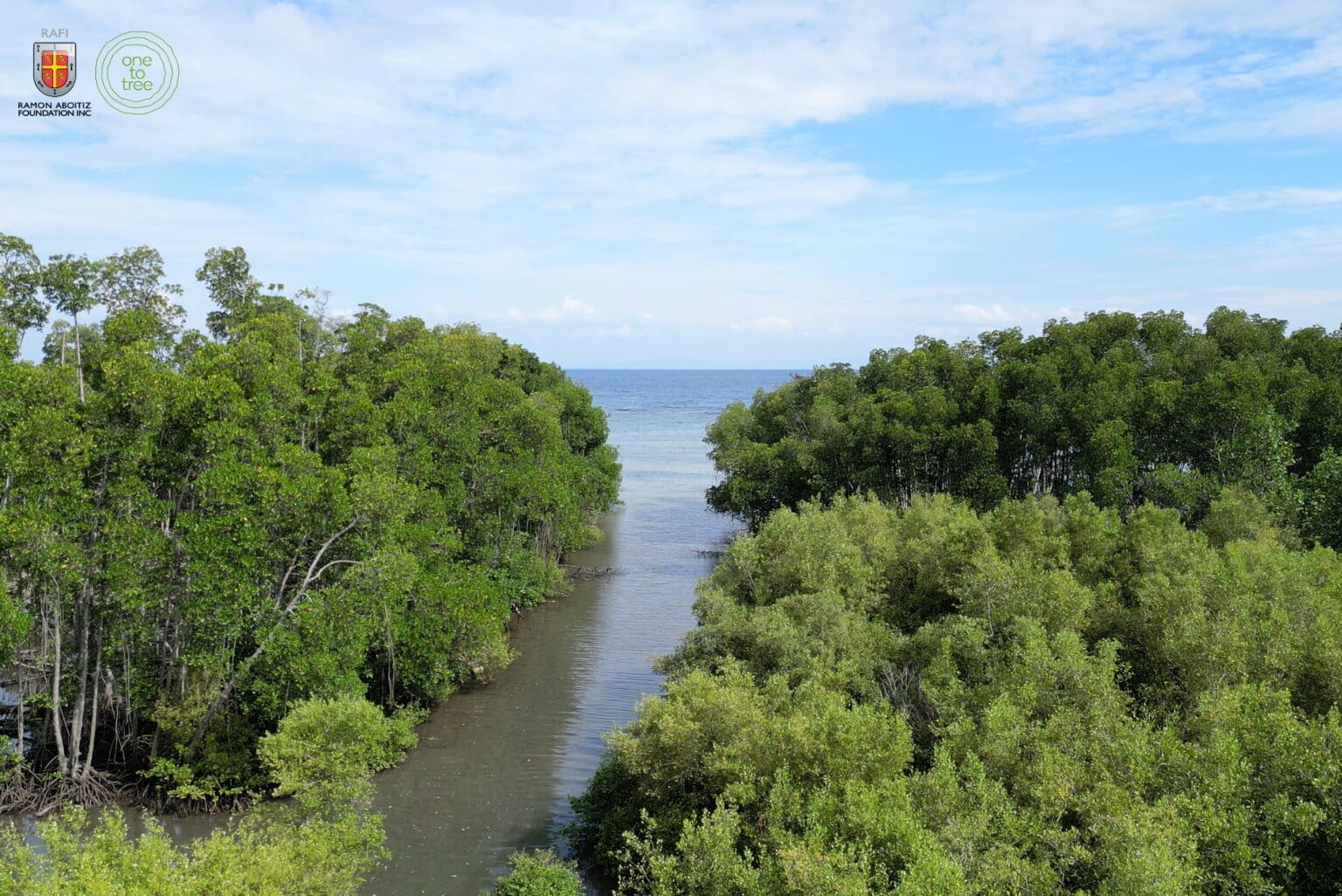
Environmentally, tree growing can help restore landscapes, support biodiversity, improve green cover, and contribute to healthier ecosystems when the right species are matched with the right site conditions. The success or failure of planted forest investments can be influenced by matching planting material to site circumstances, according to FAO (Food and Agriculture Organization of the United Nations, n.d.).
This matters in a country regularly exposed to tropical cyclones, heavy rains, heat, and other environmental pressures. PAGASA notes that an average of 20 tropical cyclones enter the Philippine Area of Responsibility each year, with about 8 or 9 crossing the Philippines (Philippine Atmospheric, Geophysical and Astronomical Services Administration, n.d.).
Socially, tree growing can bring local partners, farmers, volunteers, employees, and communities into one shared effort. It connects sustainability to families, livelihoods, schools, workplaces, and the places people call home.
From a governance perspective, companies should be careful with ESG claims as they declare data in their sustainability reports. Sustainability reporting requirements vary depending on company type, industry, and applicable guidelines. In the Philippines, the SEC sustainability reporting guidelines were intended to help publicly listed companies assess and manage non-financial performance across economic, environmental, and social aspects (Securities and Exchange Commission Philippines, 2019).
A tree growing program becomes stronger for ESG when the work is credible, transparent, and properly documented.
Tree Growing Should Be More Than a Photo Opportunity
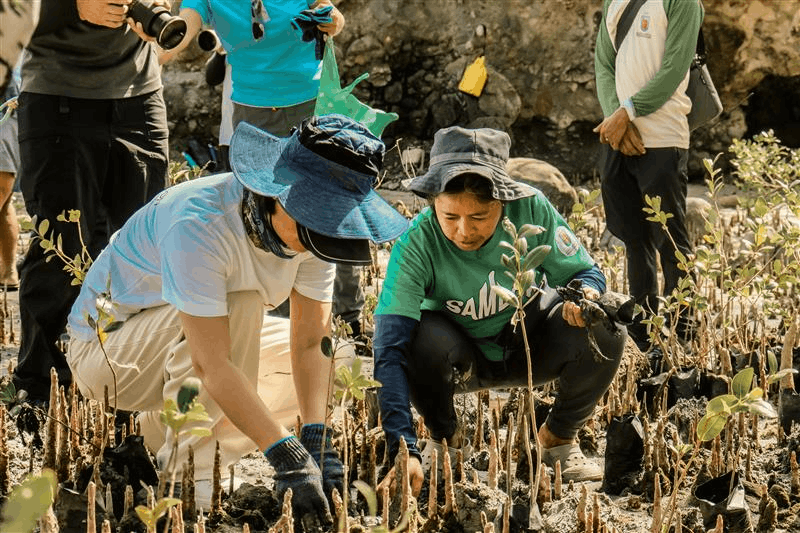
Tree planting ceremonies are well-known to many: workers congregate, seedlings are placed, pictures are taken, and everyone leaves.
Even with the best of intentions, our efforts shouldn't stop on planting day.
Young trees need care. They need the right site, the right species, protection, monitoring, and maintenance. In the absence of these, a planting operation can first seem successful yet fail in achieving meaningful restoration.
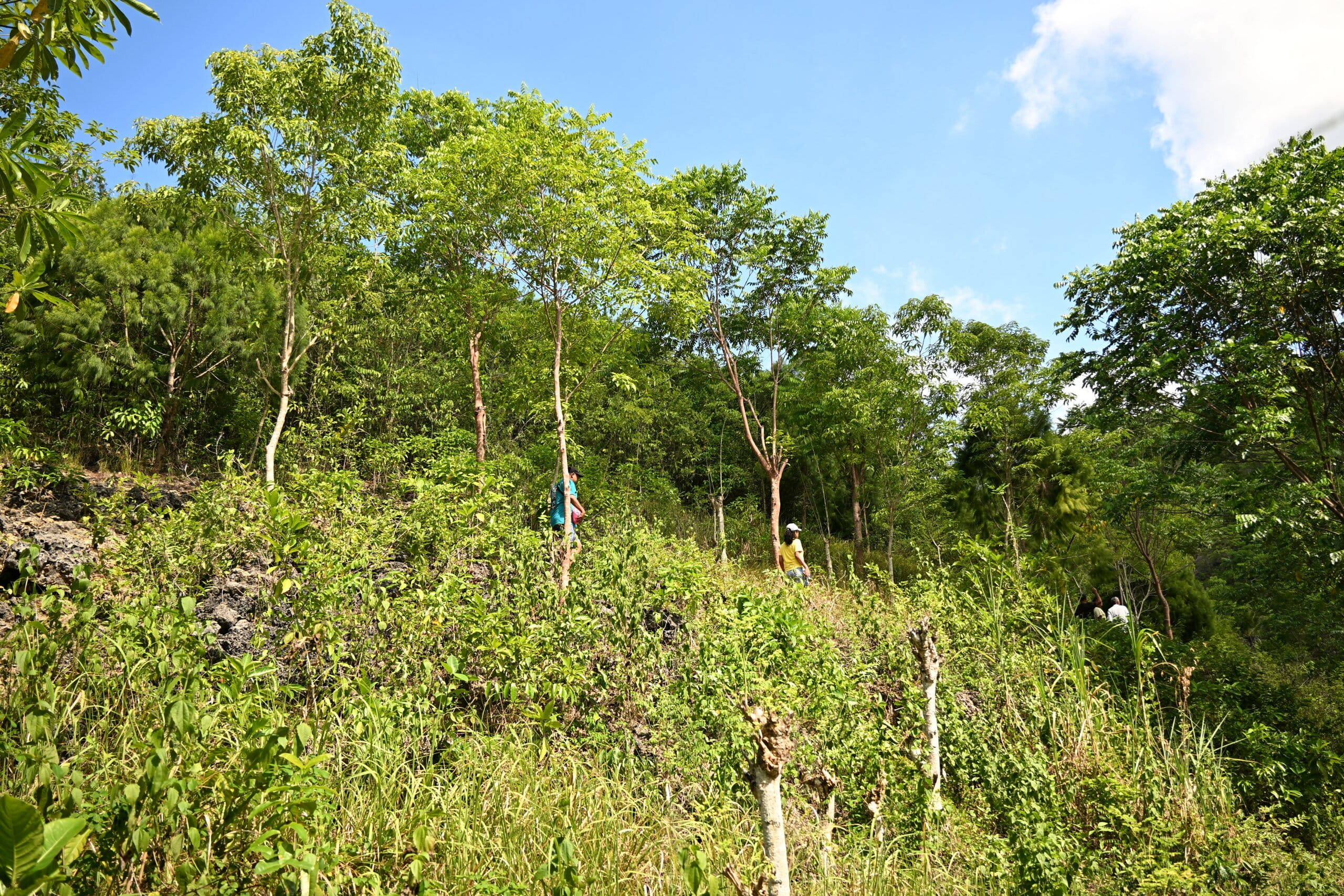
Tree growing expands the impact of tree planting by focusing on what happens after a seedling is placed in the ground. It prioritizes survival, sustained care, and healthy growth, helping create lasting environmental and community benefits.
This distinction is important for businesses to develop an ESG strategy. It shows that commitment goes beyond participation and into care.
Why Native Tree Growing Fits Corporate Sustainability
Sustainability can easily become filled with technical terms, frameworks, and abstract targets. Yet some of the most meaningful initiatives are those that people can see, participate in, and understand.
Native tree growing is one of those efforts.
Through employee engagement activities, employees can see the impact of helping nurture a tree over time. Communities can understand how restoring landscapes contribute to healthier ecosystems and stronger environmental resilience. Partners can appreciate the importance of long-term care and stewardship in creating lasting outcomes. Ultimately, future generations can benefit from the decisions and investments made today.
Native trees are often better adapted to local conditions and ecosystems, particularly when species are carefully matched to the site. As they grow, they can support biodiversity, strengthen ecosystem health, and contribute to long-term landscape restoration.
For companies, native tree growing offers an approach to sustainability that is tangible, locally relevant, and rooted in long-term impact. It transforms corporate commitments into shared visible action—connecting businesses, communities, and ecosystems through a common goal of creating healthier and more resilient landscapes.
Impact Snapshot: ESG Value of Tree Growing
A well-planned and monitored tree-growing initiative can assist companies in:
- Environmental restoration over time
- Native tree growth and biodiversity support
- Stronger community involvement
- Employee engagement with purpose
- Clearer sustainability documentation and reporting support
- Credible partnerships for shared sustainability goals and a
- Stronger link between business responsibility and community well-being
This is especially relevant for companies that want their sustainability work to be impactful, understandable, and credible.
How RAFI One to Tree Supports Corporate Sustainability
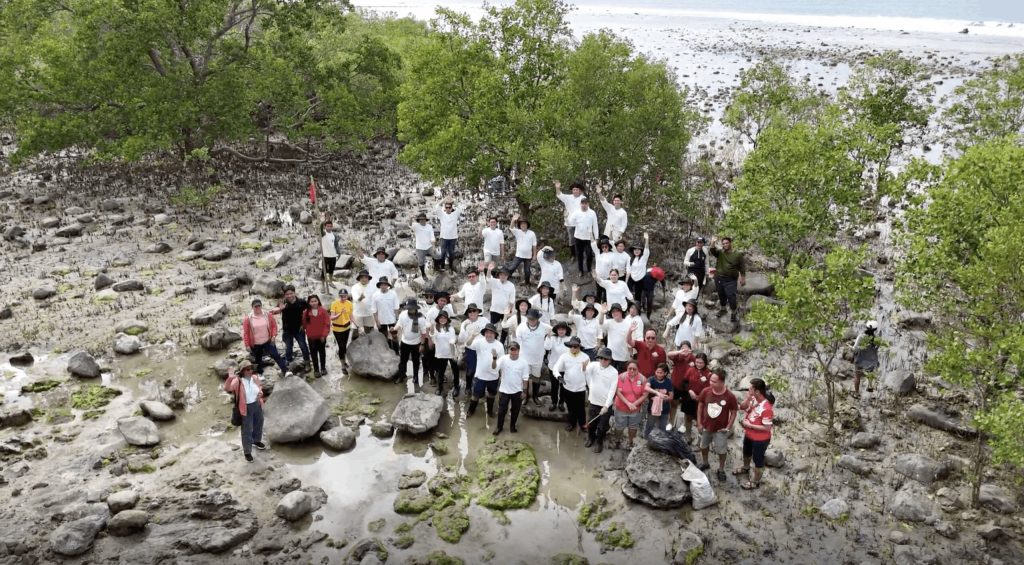
RAFI One to Tree promotes native tree growing as a practical way to support ecosystem restoration, biodiversity, and environmental care.
At RAFI One to Tree, the work extends far beyond the initial planting seedlings. The program follows a tree-growing approach that supports trees through the critical stages of survival and growth to help create lasting environmental and community impact.
Additionally, RAFI One to Tree places a strong emphasis on partnerships with government units, the private sector, and local communities. Along with regular progress reports, the program uses specialized monitoring software and mapping tools (an example is the Plantation Tracker) to gather transparent, field-level data across Luzon, Visayas, and Mindanao. This allows partners to track location-based restoration outcomes and long-term forest growth.
What Companies Should Look for in a Tree Growing Partner
Not all environmental programs are the same. Businesses that want to include tree growing in their ESG strategy should look for a partner that supports responsible implementation.
Choose a partner that values tree survival, maintenance, and healthy growth, not just planting numbers. It also helps to work with a program that prioritizes native trees, community connection, clear purpose, and organized implementation.
These factors help companies support sustainability work with more care, credibility, and accountability.
Because of this, RAFI One to Tree is a valuable partner for companies and organizations seeking environmental projects that can support ESG and corporate sustainability objectives.
Partner With Us
For companies building or strengthening their sustainability or ESG strategy, native tree provides a practical, grounded way to create lasting environmental and social value.
By partnering with RAFI One to Tree, your organization can support native tree growing efforts that contribute to environmental restoration, community involvement, and responsible sustainability action.
Whether your business is starting its sustainability journey or expanding an existing ESG program, this kind of partnership helps translate corporate responsibility into tangible outcomes people can see, connect with, and trust
Frequently Asked Questions (FAQs)
What is corporate sustainability in the Philippines?
Corporate sustainability in the Philippines refers to how businesses operate responsibly while considering their environmental, social, and community impact.
How does tree growing support an ESG strategy?
Tree growing can support an ESG strategy by contributing to environmental restoration, involving communities, and helping companies participate in responsible sustainability work.
Why is tree growing better than one-time tree planting?
Tree growing focuses on care, survival, and stewardship. Trees need monitoring, maintenance, and the right growing conditions to create environmental value.
Can businesses include tree growing in sustainability or ESG reporting?
In many cases, yes, as long as the activity is properly documented, aligned with company goals, and presented accurately. Reporting requirements may vary.
How can companies partner with RAFI One to Tree?
Companies can partner with RAFI One to Tree by supporting native tree growing initiatives through donations, partnerships, or sustainability programs aligned with environmental and community goals.
Conclusion
Corporate sustainability in the Philippines is moving past symbolic gestures. For ESG initiatives to truly matter, they need to deliver real, lasting value on the ground.
Native tree growing offers businesses a practical path to fulfill ESG goals, restore local ecosystems, and support communities. By connecting corporate responsibility with authentic stewardship, together we can build a legacy of impact that lasts well beyond planting day.
Supporting native tree growing is a step toward a more responsible and resilient future for businesses looking to turn their environmental commitments into grounded, measurable action.
🌱 Sustainability grows stronger when businesses choose action with care behind it. By supporting native tree growing, your organization can help nurture healthier landscapes, stronger communities, and a greener future for generations to come.