
Clean air shapes our daily life, but challenges like pollution, heat, and dust can affect the quality of the air we breathe. Improving it requires collective action.
Trees are one part of that solution. When thoughtfully grown and cared for, native trees can help capture some airborne particles, absorb certain gaseous pollutants, cool surrounding areas, and add healthy green cover. While they cannot replace cleaner transport, better waste management, or stronger pollution controls, trees can strengthen the places where people live.
In the Philippines, clean-air action can reduce pollution at its source while also protecting natural systems that help communities become greener and more resilient.
At A Glance
How Trees Help Support Better Air
Tree leaves, branches, and bark interact with the surrounding air. Some airborne particles settle on plant surfaces, while certain gaseous pollutants can enter leaves through tiny openings called stomata. Research from the U.S. Forest Service shows that trees and forests can remove air pollutants through these processes.
Trees also help moderate heat. Their canopies provide shade, while evapotranspiration can cool the surrounding environment. In streets, school grounds, parks, and community spaces, these benefits can make outdoor areas more comfortable.
The connection between trees and air quality is therefore worth considering as part of greener community planning. Still, clean-air strategies must begin by limiting pollution to its source.
The World Health Organization's 2026 air-pollution update found that global progress in reducing fine particulate matter, or PM2.5, has stalled since 2020, while people in low- and middle-income countries face significantly higher exposure risks. The challenge calls for action across sectors including transport, energy, agriculture, and health.
Native Trees for Clean Air, More Than Shade
Native tree species occur naturally within local ecosystems and have developed relationships with the wildlife, soils, rainfall patterns, and other plants around them.
When suitable native species are grown in the right places, their value extends beyond cleaner surroundings. They can provide food and shelter for wildlife, help rebuild habitat, store carbon, protect soil, and contribute to healthier landscapes.
This wider value is important when communities consider native trees for clean air. Choosing the right tree means considering more than growth. By considering site conditions, available space, species suitability, and long-term maintenance, we can support healthier, more resilient landscapes.
Beyond adding greenery, the focus is on growing trees that deliver long-term environmental benefits and become enduring parts of the landscape.
Tree Canopy Benefits Are Felt Close to Home
Environmental action becomes easier to understand when its effects are connected to places people use every day. Tree canopy benefits can be experienced on a local scale.
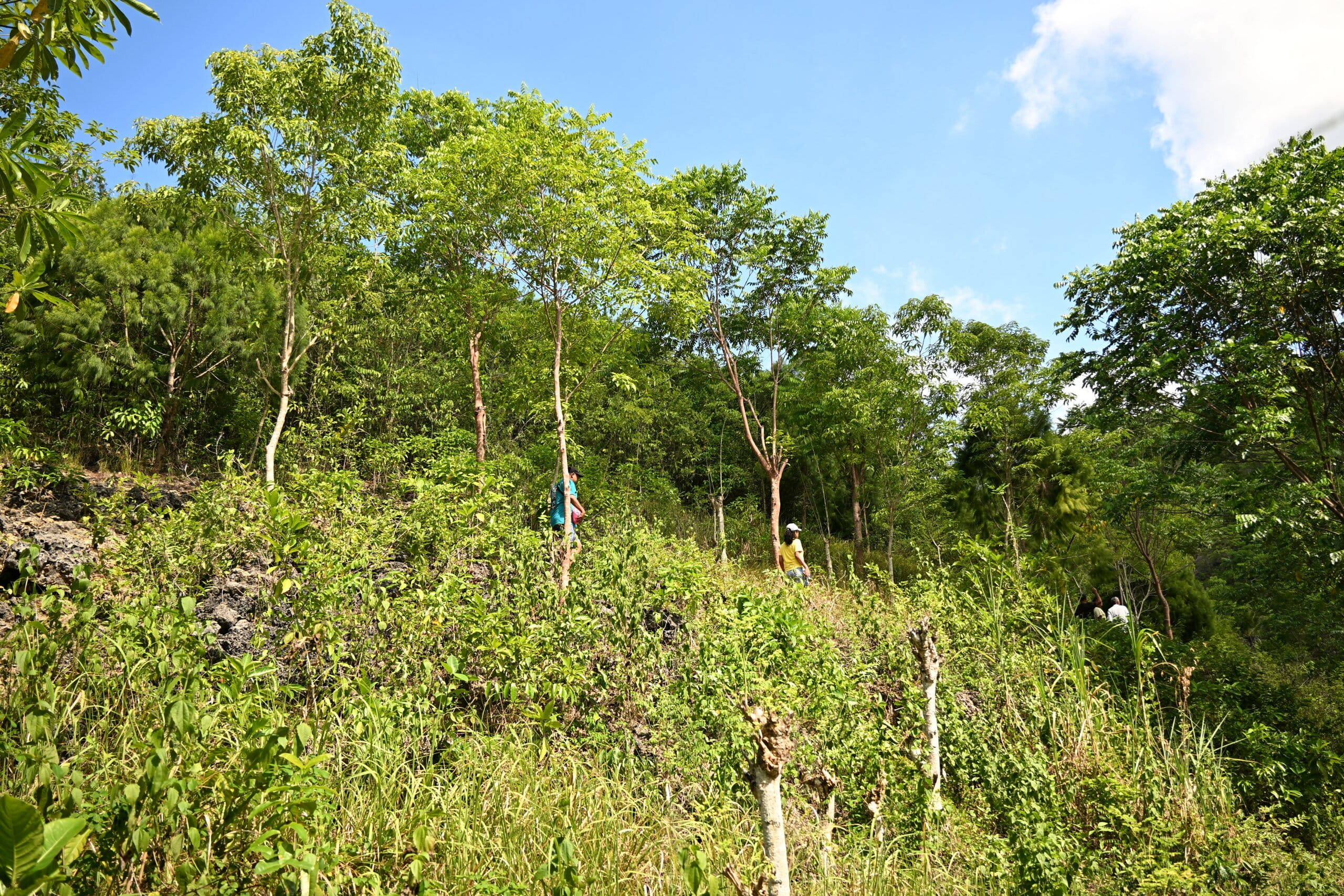
Shade can make a schoolyard or waiting area more comfortable during hot days. Trees around community spaces can create more pleasant places to walk, gather, or rest. In larger restored areas, tree cover can also support soil, habitat, water regulation, and carbon storage.
These benefits build over time. A newly planted seedling cannot provide the same canopy or ecological function as a mature tree. This is why survival and continued care are central to meaningful restoration.
RAFI One to Tree focuses on growing and nurturing trees rather than treating planting day as the finish line. Its work on long-term forest recovery reflects the importance of caring for trees after seedlings enter the ground.
Impact Snapshot: Growing Trees That Last
Well-planned tree growing can support several connected benefits:
- Cleaner surroundings: Tree surfaces can intercept some airborne particles and absorb certain gaseous pollutants.
- Cooler spaces: Shade and evapotranspiration can help reduce heat around tree-covered areas.
- Stronger ecosystems: Native trees can provide habitat while supporting soil, water, and biodiversity.
- Climate benefits: Growing trees store carbon as they mature.
RAFI One to Tree currently reports an average tree-growing success rate of 85%, supported by partnerships with communities, government units, farmers, and the private sector.
This shifts the measure of success from how many seedlings are planted to how many have a meaningful chance to grow. As their canopies develop, the tree canopy benefits communities experience can continue to increase.
Air Pollution Reduction Needs More Than Trees

It is tempting to treat tree growing as a simple answer to polluted air. A better approach is to understand trees as one part of a wider solution.
Air pollution reduction requires cleaner energy, better transport, responsible industry, improved waste practices, and policies that reduce emissions. Trees complement these measures by providing green cover and ecosystem services, but they should not be used to excuse avoidable pollution.
For businesses, supporting tree growing should sit alongside efforts to reduce their own environmental impact. For communities, protecting existing trees, reducing open burning, managing waste responsibly, and supporting cleaner transport can reinforce one another.
This balance keeps trees and air quality in perspective: trees can contribute to healthier surroundings, while preventing pollution remains essential.
Growing the Right Trees in the Right Places
Successful tree growing requires more than finding an empty space. School grounds, parks, roadside areas, business sites, farms, watersheds, and restoration areas all have different conditions.
Soil, drainage, available space, nearby structures, local climate, water supply, and maintenance capacity can affect whether a tree thrives. Choosing appropriate species for each site gives tree-growing efforts a stronger foundation.
Communities can also help identify practical site conditions and support continued care. RAFI One to Tree's approach to environmental stewardship shows how local involvement can turn tree growing into a long-term commitment rather than a one-day activity.
The right tree in the right place, supported by people who continue to care for it, has a better chance of providing environmental benefits for years.
What Communities and Partners Can Do
Everyone can be part of the solution. Residents can protect existing trees and care for young ones. Schools can integrate tree growing in environmental education. Local governments can plan and protect green spaces. Businesses can support restoration projects built around suitable species, survival, monitoring, and community participation.
Before supporting a project, organizations can ask: Where will the trees be grown? Why were those species selected? When will they be planted? Who will maintain them? How will survival be monitored? What role will local communities play?
These questions move the conversation beyond planting numbers and toward lasting environmental outcomes.
They also make air pollution reduction part of a bigger responsibility. Cleaner communities depend on both reducing harmful emissions and protecting natural spaces that make neighborhoods healthier and more livable.
Community participation is already part of how RAFI One to Tree approaches restoration. Through its Ka-Treebu community, tree-growing partners share a longer journey that goes beyond planting seedlings, with local stewards helping nurture trees and landscapes over time. This kind of involvement helps turn environmental action into something communities can continue and take ownership of.
Community participation is already part of how RAFI One to Tree approaches restoration. Through its KaTreebu community, tree-growing partners share a longer journey that goes beyond planting seedlings, with local stewards helping nurture trees and landscapes over time. This kind of involvement helps turn environmental action into something communities can continue and take ownership of.
Frequently Asked Questions (FAQs)
How do trees help improve air quality?
Trees can intercept some airborne particles on their surfaces and absorb certain gaseous pollutants through their leaves. Their contribution varies depending on species, canopy size, weather, site conditions, and surrounding pollution sources.
Can trees completely solve air pollution?
No. Trees can support cleaner surroundings, but pollution must also be reduced at its source through cleaner transport, energy, waste management, industry practices, and effective environmental policies.
Why choose native trees for clean-air projects?
Suitable native trees can provide shade and air-quality benefits while supporting local wildlife and ecological relationships. Species selection should still consider site conditions, available space, and the goals of the project.
How long before newly grown trees provide benefits?
Some benefits begin as trees establish, but larger canopies, carbon storage, habitat, shade, and other ecosystem services increase as trees survive and mature. This makes long-term care an essential part of tree growing.
How can companies support cleaner communities?
Companies can reduce pollution within their own operations while supporting credible restoration programs. Strong projects consider appropriate species, suitable sites, community participation, monitoring, and long-term tree survival.
Conclusion: Cleaner Air Grows From Shared Responsibility

Native trees for clean air remind us that environmental improvement does not come from a single action. It comes from combining pollution prevention, restoration, planning, and care.
Reducing emissions at their source remains essential. At the same time, growing the right trees in the right places can create cooler spaces, healthier habitat, stronger landscapes, and greener communities. Those benefits become more meaningful as trees survive and mature.
Businesses, schools, local governments, communities, and individuals can all help create places where trees are not simply planted, but are given the opportunity to grow.
🌱Grow Cleaner Communities, One Tree at a Time. Cleaner air and healthier landscapes begin with choices that last beyond planting day. Partner with RAFI One to Tree to grow native trees, strengthen local ecosystems, and help create greener, more resilient communities across the Philippines.