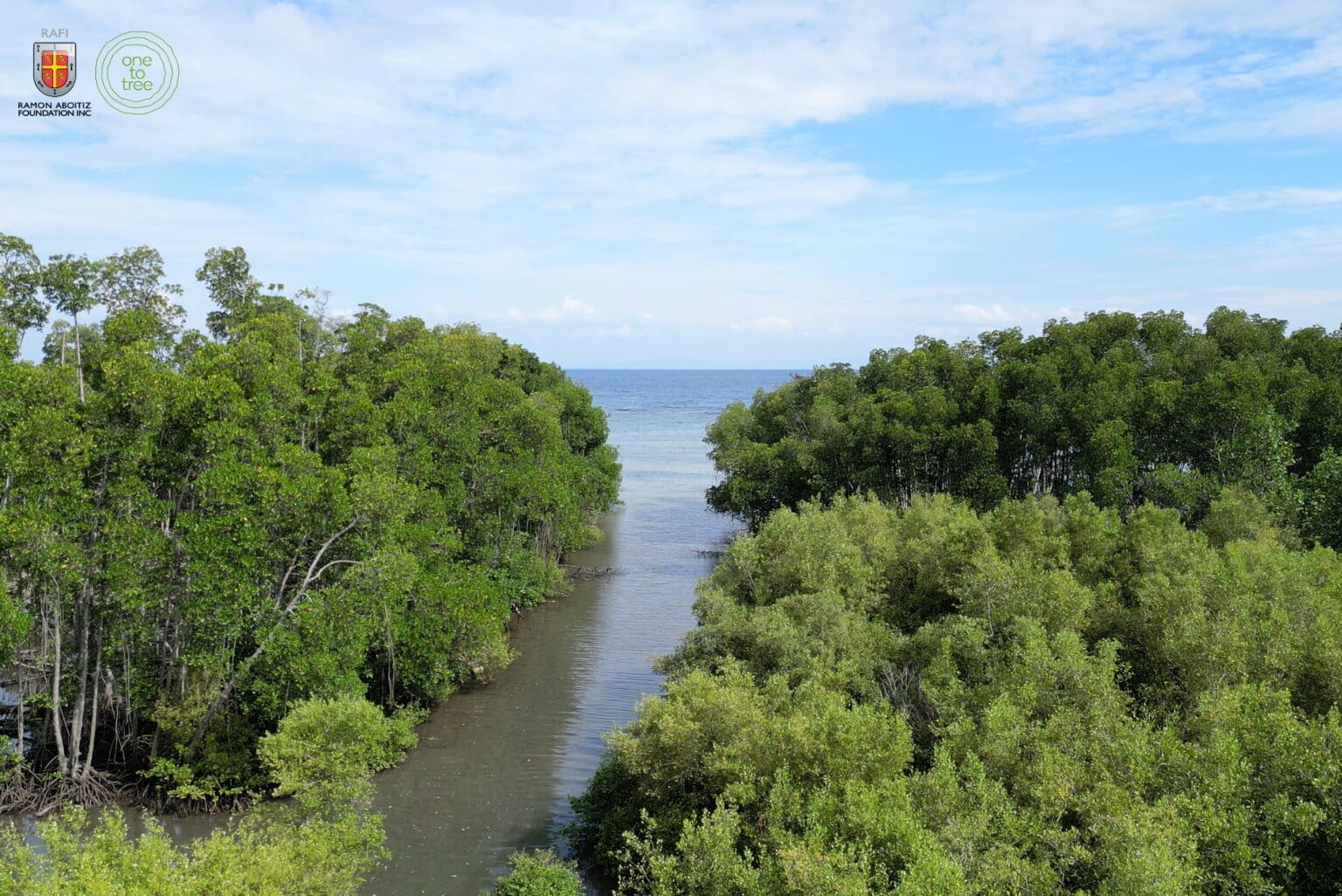
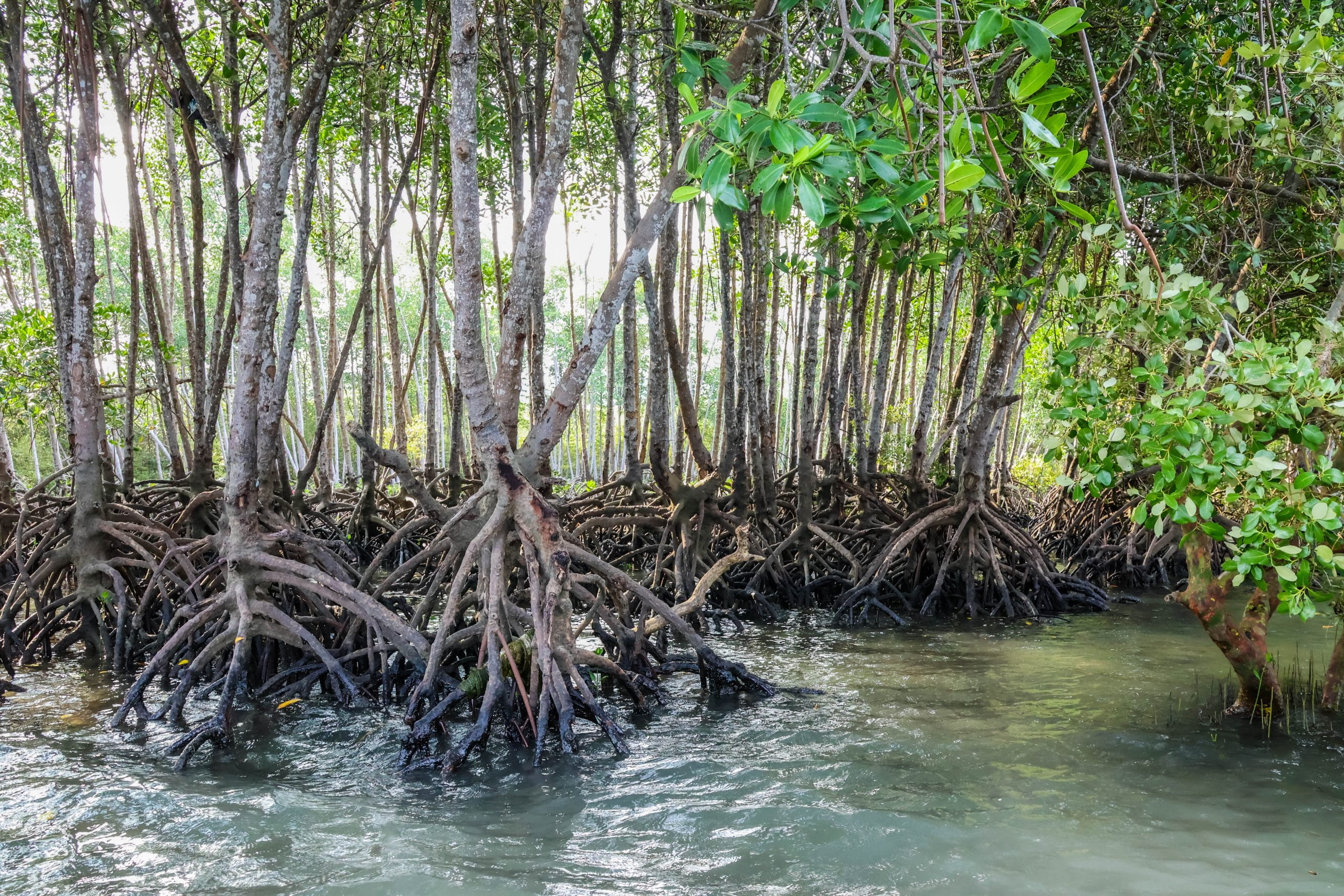
Mangroves in the Philippines are more than just trees found along the coast. They are natural shields, fish nurseries, carbon stores, and sources of protection for communities that live close to the sea.
Every July 26, World Mangrove Day reminds us to look closely at these quiet but powerful ecosystems. For an archipelagic country like the Philippines, this day is not only about environmental awareness. It is also about coastal safety, livelihood, biodiversity, and the future of communities that depend on healthy shorelines.
Mangroves stand where land and sea meet. Their roots hold soil in place, soften the force of waves, and create shelter for marine life. When they are protected and restored properly, they help strengthen both nature and the people who live around it.
At A Glance
Mangroves as a Coastal Lifeline in the Philippines
The Philippines is largely surrounded by water. Many families live near coastlines, rely on fishing, or work in communities where the sea is part of everyday life. This makes mangrove conservation especially important.
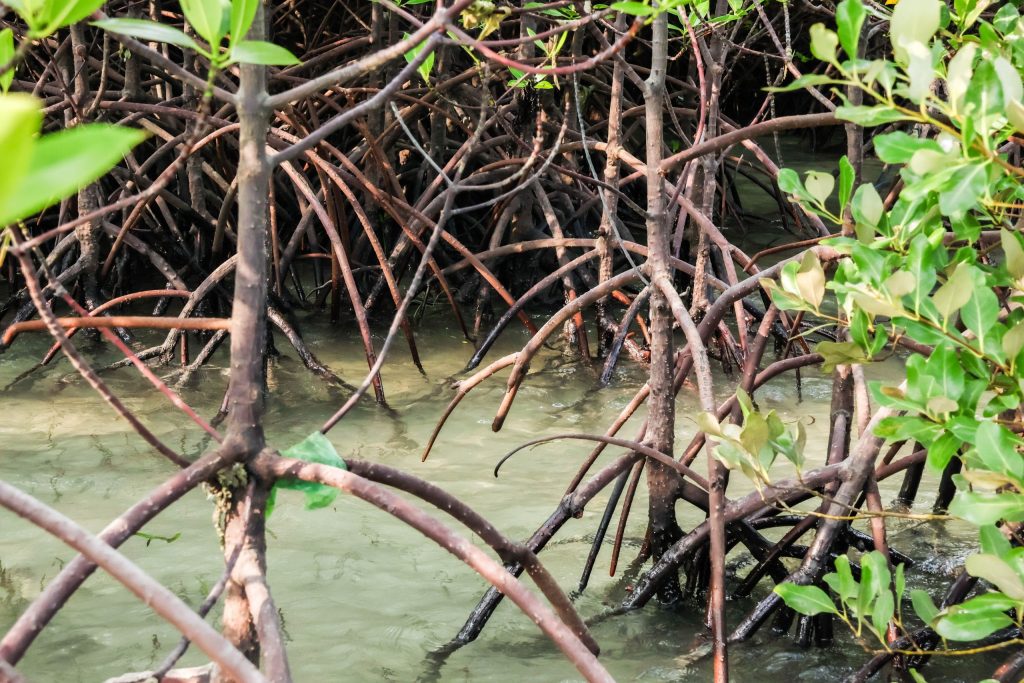
Mangroves help protect shorelines by holding coastal soil together. Their roots slow down water movement and reduce the impact of waves before they reach nearby communities. In areas exposed to storms, flooding, and coastal erosion, this natural layer of protection can make a meaningful difference.
Mangroves also support marine life. Their roots provide shelter for young fish and other sea creatures before they move into deeper waters. This helps sustain local fisheries and the livelihoods connected to them.
They also contribute to climate action. Mangrove forests store carbon in their trunks, roots, and soil. Since their soil is wet and low in oxygen, it can hold carbon for long periods. This makes mangroves part of the broader climate solution, especially for countries that face both environmental and coastal risks.
Impact Snapshot
- The Philippines recorded 311,216 hectares of mangrove extent in 2020, showing how important these ecosystems remain to the country’s coastal landscape.
- Mangroves help protect coastal communities by reducing erosion, buffering waves, and supporting healthier marine habitats.
- These forests serve as breeding and nursery grounds for fish, crabs, shellfish, and other species that support local food systems and livelihoods.
- RAFI One to Tree’s mangrove work with partners in Cebu and Batangas shows that restoration is strongest when planting is paired with community training, monitoring, and long-term care.
World Mangrove Day and the Call for Long-Term Conservation
World Mangrove Day is a chance to pause and ask how we treat ecosystems that help protect our communities.
It is easy to notice mangroves during planting activities or environmental campaigns. But real work happens after the awareness moment. Mangrove forests need protection from clearing, pollution, poor land use, and short-term restoration efforts that do not consider the needs of the site.
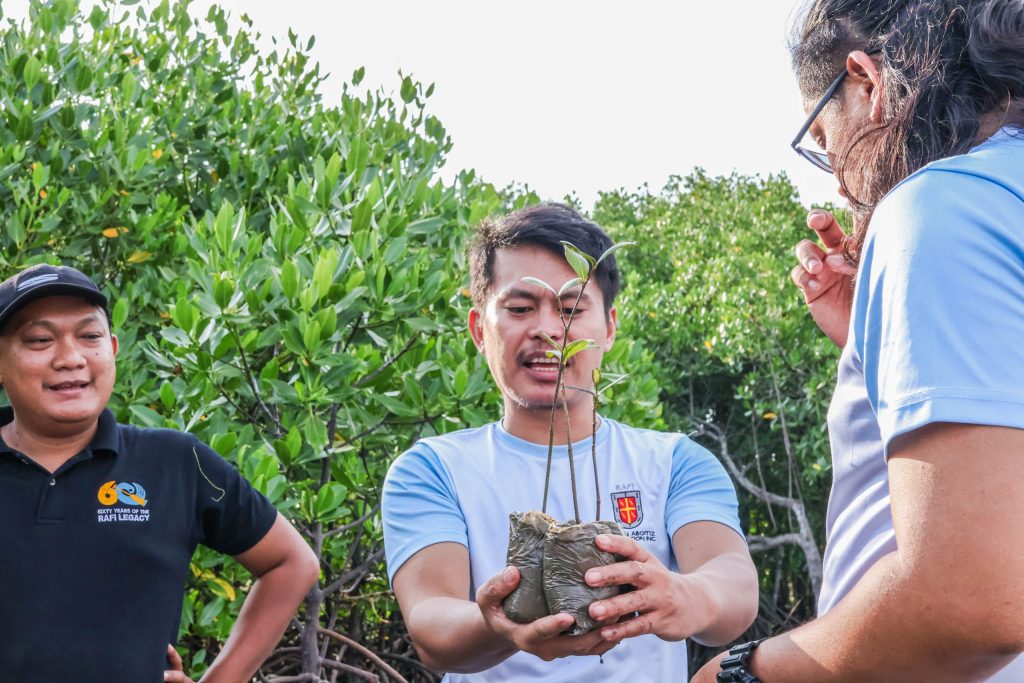
Mangrove conservation should not end with planting. It should include proper site assessment, the right species, local community involvement, and monitoring after the seedlings are placed in the ground. A mangrove that survives, grows, and becomes part of a healthy coastal habitat creates a much stronger impact than a one-day activity.
This is why World Mangrove Day matters. It reminds us that restoring nature takes patience, care, and shared responsibility.
Mangrove Restoration Works Best With Communities
Healthy mangrove forests are closely connected to healthy coastal communities.
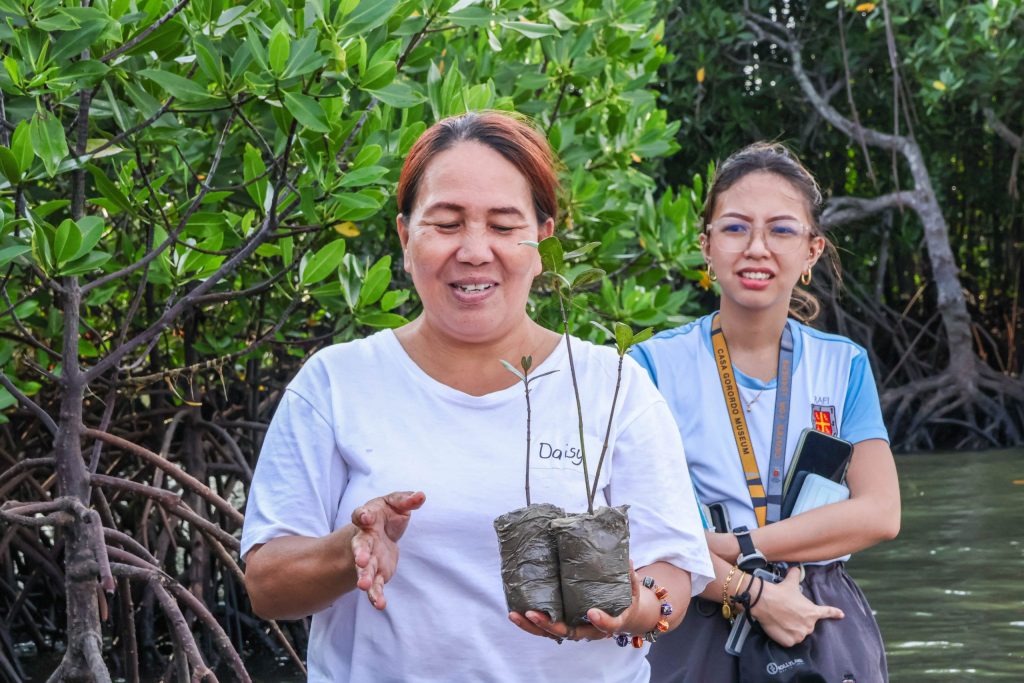
Local fisherfolk, residents, and community organizations often understand the coast in ways that outside groups may not. They know how the tide moves, where flooding happens, where fish gather, and how environmental changes affect their daily routines. Their knowledge is important in planning and maintaining restoration work.
RAFI One to Tree’s mangrove enrichment partnership in San Fernando, Cebu reflects this approach. The project focuses not only on producing and planting mangrove seedlings, but also on equipping local community members with skills in nursery establishment, seedling production, site preparation, and maintenance.
In Lian, Batangas, RAFI One to Tree’s work with ICTSI Foundation and local stakeholders also shows how mangrove planting can support stronger coastal communities. The effort brings together partners, fisherfolk, and local government stakeholders to restore coastal ecosystems while strengthening local participation.
These stories show that mangrove restoration is not only about planting trees. It is about building the capacity of people who will help protect and care for them over time.
How Partners Can Support Mangrove Conservation
Companies, institutions, schools, and civic groups can play an important role in protecting mangroves in the Philippines. But meaningful support should go beyond a single event or photo opportunity.
Good mangrove conservation supports the full restoration process. This can include site preparation, seedling production, planting, maintenance, monitoring, community training, and livelihood support for local partners.
For organizations looking to strengthen their environmental, social, and governance efforts, mangrove conservation offers a practical and community-centered way to contribute. It supports coastal protection in the Philippines while helping restore habitats that benefit both people and biodiversity.
The most meaningful partnerships are those that treat restoration as a long-term commitment. When partners support both the ecosystem and the community caring for it, the impact becomes more sustainable.
Frequently Asked Questions (FAQs)
What is World Mangrove Day?
World Mangrove Day is commonly used to refer to the International Day for the Conservation of the Mangrove Ecosystem, observed every July 26. It raises awareness about the importance of protecting and restoring mangrove ecosystems.
Why are mangroves important in the Philippines?
Mangroves in the Philippines help protect coastlines, support marine biodiversity, provide nursery areas for fish and shellfish, store carbon, and strengthen the resilience of coastal communities.
How do mangroves help with coastal protection?
Mangroves help reduce erosion, hold coastal soil in place, and soften the force of waves before they reach communities. Their roots create a natural buffer between land and sea.
Why is community involvement important in mangrove conservation?
Community involvement helps make mangrove conservation more sustainable. Local residents understand the area, help care for the site, and support long-term monitoring and protection.
How can organizations support mangrove conservation in the Philippines?
Organizations can support mangrove conservation by partnering with trusted programs, funding restoration and monitoring, joining guided volunteer activities, and supporting community-based stewardship.
Conclusion
Mangroves in the Philippines protect more than coastlines. They help protect homes, food sources, livelihoods, marine life, and the future of coastal communities.
On World Mangrove Day, we are reminded that these ecosystems deserve more than awareness. They need thoughtful restoration, consistent care, and strong partnerships rooted in community stewardship.
RAFI One to Tree continues to support tree growing as a way to restore ecosystems and strengthen communities. Through responsible mangrove conservation, we can help protect the natural systems that protect us.
🌱 This World Mangrove Day, be part of growing stronger coastlines and more resilient communities. Together, we can help restore coastal ecosystems, support local communities, and create lasting environmental impact for future generations.