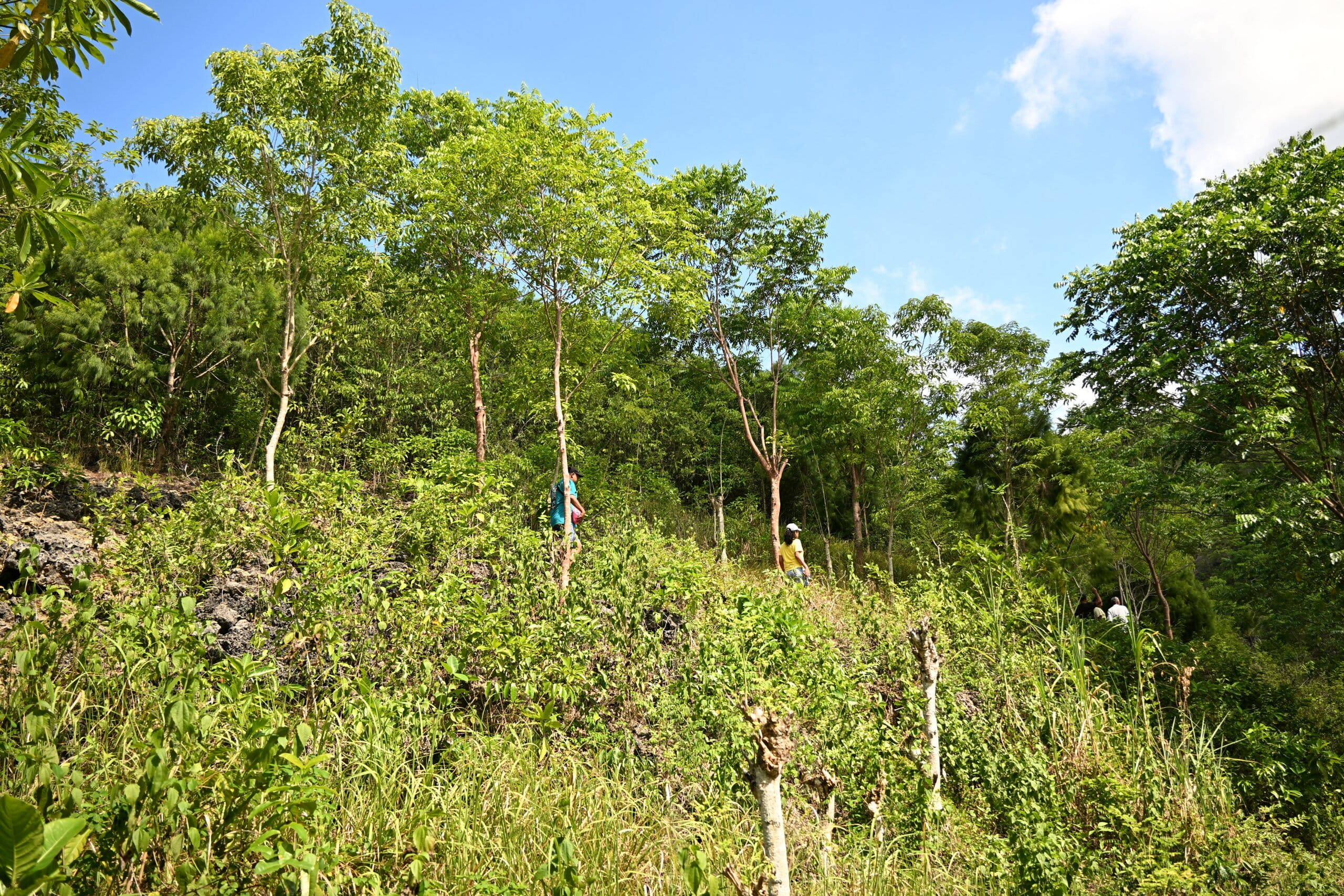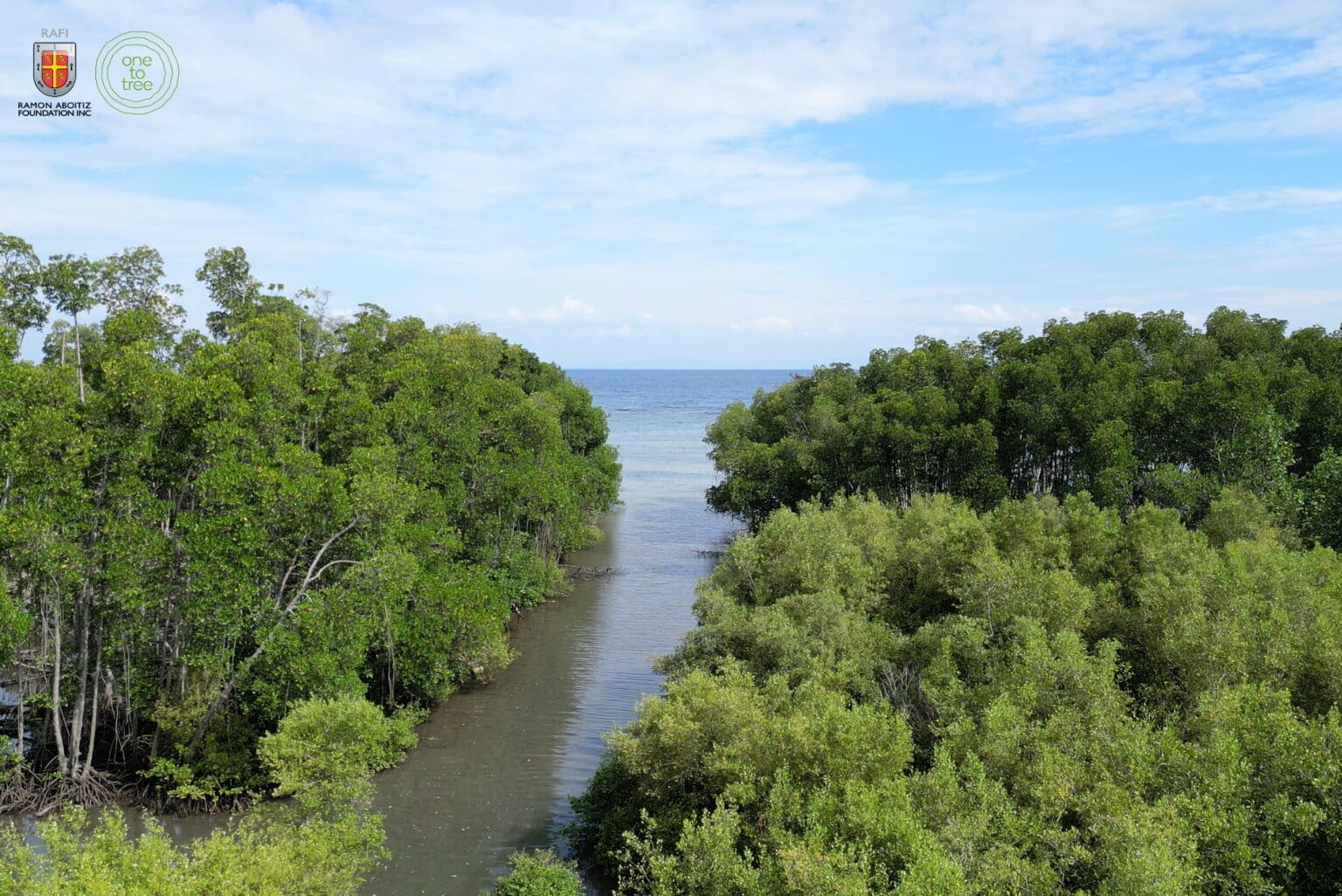
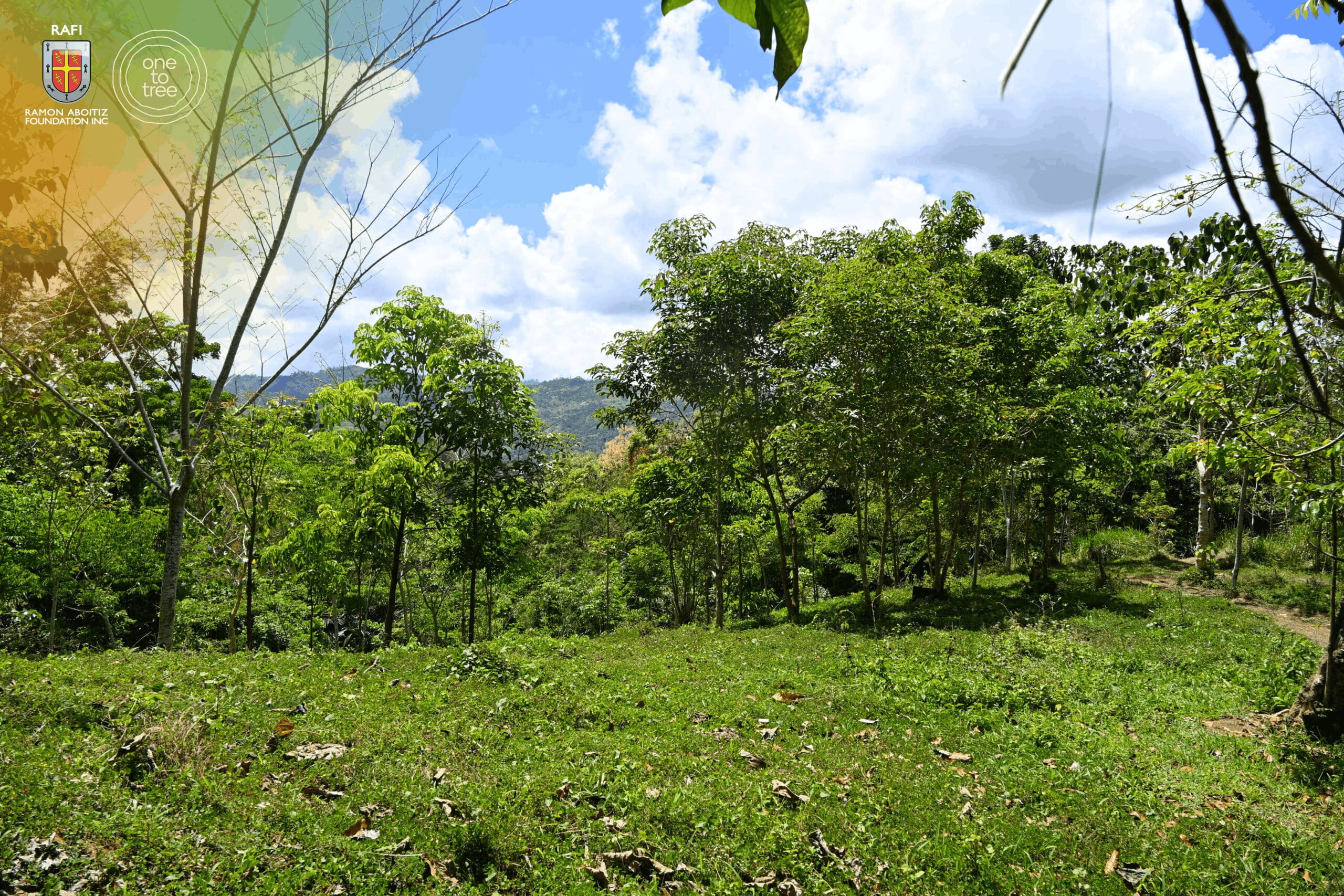
After every strong typhoon strikes or even when we have an unusually hot summer day, many Filipinos may find themselves ask the same question: Why does it feel like the weather is getting harder to live with? From flooded streets to drying farms and thinning forests, the effects of climate change are no longer just an abstract idea, it is now a part of everyday life. As climate action in the Philippines becomes more urgent, one long-term solution continues to stand out: restoring our landscapes through native tree growing.
As the conversation about climate solutions grows, it's important to recognize that not all tree planting leads to meaningful restoration. The species chosen, the site conditions, and the long-term care all determine whether a project helps rebuild nature or simply adds short-term activity. In a country as climate-vulnerable and ecologically rich as the Philippines, quality of restoration matters just as much as the number of trees planted.
For this reason, native trees in the Philippines deserve greater attention in climate conversations. When grown in the right places and properly cared for, they support healthier ecosystems, stronger forest recovery, and more lasting environmental benefits.
At A Glance
Why Climate Action Needs Long-Term Solutions
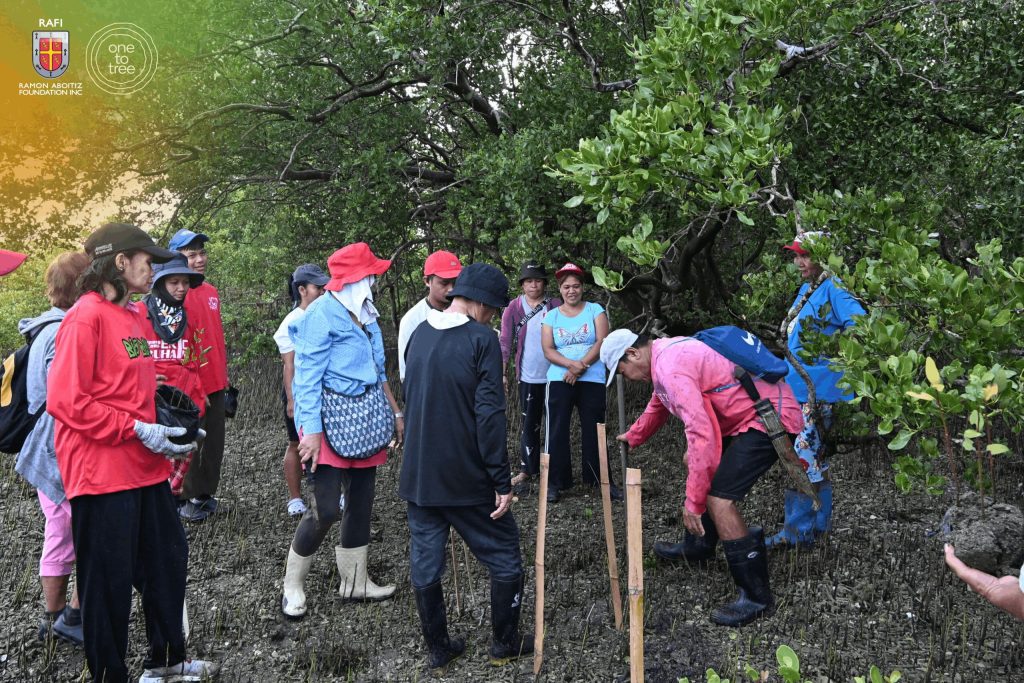
Climate action is often linked to visible efforts such as cleanups, awareness campaigns, and one-day planting events. While are also valuable, lasting impact largely depends on whether the work continues to benefit communities and ecosystems over time.
In the Philippines, climate risks are closely tied to damaged natural systems. Forest loss, degraded watersheds, erosion, biodiversity decline, and coastal vulnerability all shape how communities experience environmental stress. Because of this, climate action should not only focus on reducing harm, it should also help restore the ecosystems that support resilience.
Tree growing plays a more meaningful role in this context. When done thoughtfully, it can help rebuild habitats, protect water sources, stabilize land, and support healthier landscapes for the long term.
Why Native Trees Matter More Than Ever
Native species are naturally suited to local conditions. They evolved within specific environments and are closely connected to local wildlife, soil, and climate patterns. That makes them especially important to climate action in the Philippines, where restoration needs to work with ecosystems, not against them.
They support healthier forest recovery
A forest is not simply a group of trees. It is a living system made up of plants, animals, insects, fungi, and microorganisms that depend on one another. Native species are better able to support these ecological relationships. This highlights that native trees in the Philippines are so valuable in restoration. They help rebuild the structure and balance that healthy forests need.
They help protect biodiversity
When native species return to a landscape, they help support local wildlife that depends on them for food, shelter, and habitat, which allows restoration to move beyond planting numbers and toward rebuilding functioning ecosystems. The diverse mix for flora and fauna contribute to the Philippines' climate resilience needs. Stronger ecosystems are often better able to adapt, recover, and continue supporting both nature and communities.
They are better suited to local environments
Native trees are generally more aligned with the soils, rainfall patterns, and ecological conditions of the places where they naturally belong. This does not guarantee survival, but it gives restoration efforts a stronger ecological foundation.
In climate work, that matters. The goal is not only to plant more trees, but to support long-term survival and meaningful recovery.
They deliver broader environmental benefits
Healthy forests do more than absorb carbon. They also help protect watersheds, reduce erosion, improve land stability, and contribute to healthier surroundings for nearby communities. Hence, climate action in the Philippines should include restoration approaches that create lasting ecological and social value.
Impact Snapshot: Why This Matters to Communities
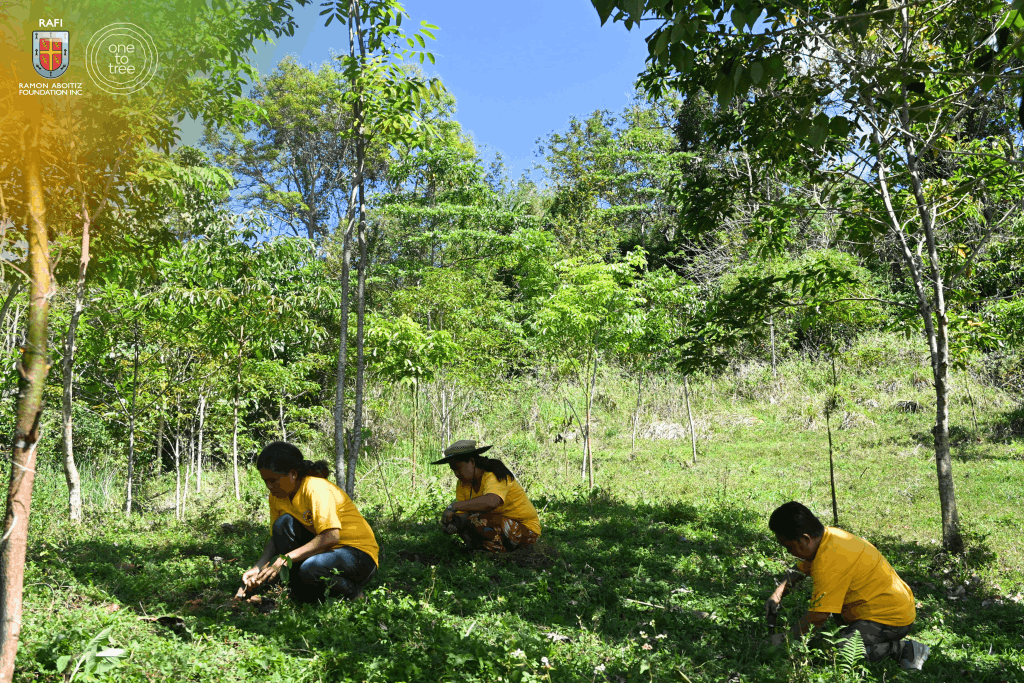
Climate action can sound broad until it is connected to daily life. In many parts of the Philippines, environmental decline affects water security, land productivity, biodiversity, and disaster vulnerability. These are not distant concerns. They influence what communities experience on the ground.
When forests are weakened, the effects often extend beyond the planting site. Watersheds become more fragile, soil becomes less stable, and habitats continue to shrink. Communities may also face greater environmental stress over time.
Recognizing these links highlights the need for ecosystem restoration as part of climate resilience efforts in the Philippines. Native tree growing can help support healthier landscapes, protect natural resources, and strengthen long-term resilience.
Reforestation Should Restore Ecosystems, Not Just Add Trees
Reforestation is often viewed through numbers alone, such as how many seedlings were planted or how many people joined an event. While these figures may be useful, they do not show whether a project is helping restore a functioning ecosystem.
That is where restoration quality becomes critical. If a site is planted without considering species suitability, ecological fit, or long-term maintenance, the effort may look successful at first without contributing much to forest recovery. Restoration that prioritizes native species and sustained care has a far better chance of creating meaningful impact.
For RAFI One to Tree, this principle matters. Tree growing should not be reduced to a symbolic activity. It should support long-term ecological recovery and healthier landscapes.
Why Native Trees Matter in Today’s Climate Conversation
Climate action is drawing more attention from communities, donors, businesses, and development partners. At the same time, there is growing awareness that not all environmental programs create the same level of impact.
People increasingly want to support solutions that are credible, measurable, and built to last. This is one reason native trees in the Philippines matter more than ever. They help shift the conversation from simply planting trees to restoring ecosystems well.
Native tree restoration connects climate action to biodiversity, watershed protection, forest recovery, and community resilience. It also encourages a more thoughtful view of environmental work, one that values long-term stewardship over short-term visibility.
How Individuals and Organizations Can Support Better Climate Action
Meaningful climate action does not always begin with large-scale intervention. It often starts with choosing better approaches and supporting work designed for long-term impact.
Support native tree growing programs
Choose programs that prioritize native species, ecological fit, and long-term maintenance rather than one-day planting alone.
Partner with credible restoration efforts
Support organizations that can clearly show how their work contributes to forest recovery and measurable impact.
Learn what makes reforestation effective
Understanding the value of native species, site suitability, and maintenance helps people make better decisions about what to support.
Support long-term outcomes
Whether through donations, partnerships, or advocacy, support initiatives that treat restoration as a sustained commitment.
Climate action in the Philippines becomes more meaningful when support goes toward solutions rooted in local ecosystems and built to last.
Frequently Asked Questions (FAQs)
What does climate action in the Philippines mean?
Climate action in the Philippines refers to efforts that respond to environmental challenges linked to climate change, including restoration, resilience-building, and long-term sustainability work.
Why are native trees important in the Philippines?
Native trees are important because they naturally belong in local ecosystems. They are better suited to local conditions and can better support biodiversity and forest recovery.
How do native trees help climate resilience?
Native trees help restore healthier ecosystems, which can protect watersheds, reduce erosion, and support landscapes that are better able to adapt to environmental stress.
Is planting any kind of tree enough for reforestation?
Not always. Reforestation is more effective when the right species are planted in the right places and supported through long-term care and maintenance.
How can individuals or organizations support native tree growing?
They can support trusted programs, fund long-term restoration, build partnerships, and choose initiatives that prioritize ecological quality over short-term planting numbers.
Conclusion
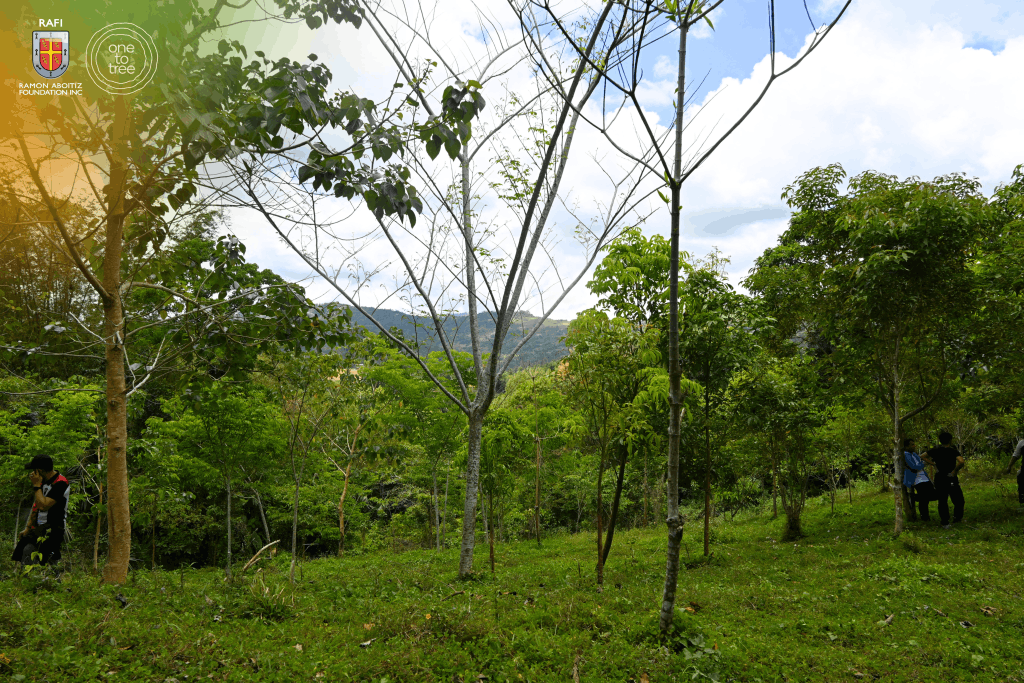
Climate action in the Philippines needs more than short-term visibility. It needs approaches that restore ecosystems, support communities, and create benefits that continue over time.
That is why native trees matter more than ever. They support forest recovery, protect biodiversity, and contribute to climate resilience that Philippine communities can benefit from in the long run. They also make restoration more ecologically sound by aligning planting efforts with the natural conditions of each landscape.
As climate pressures continue to grow, supporting native trees in the Philippines is one of the clearest ways to make environmental action more grounded, responsible, and lasting.
🌱 Climate action becomes more meaningful when it supports solutions that can last. By helping grow native trees, you are supporting restoration efforts that strengthen forests, protect natural systems, and create long-term value for communities and the environment.