Forests do more than just add a touch of green, they help cool communities, protect water sources, support wildlife, reduce flooding, and provide families with shade, food, and livelihood opportunities. But their true strength lies in a shared promise: when we take care of the forest, the forest takes care of us.
With this, environmental stewardship should be empowered more than ever. It is not only about planting trees once or joining a clean-up activity for a day, but more on about choosing to care for the environment long after the first action is done.
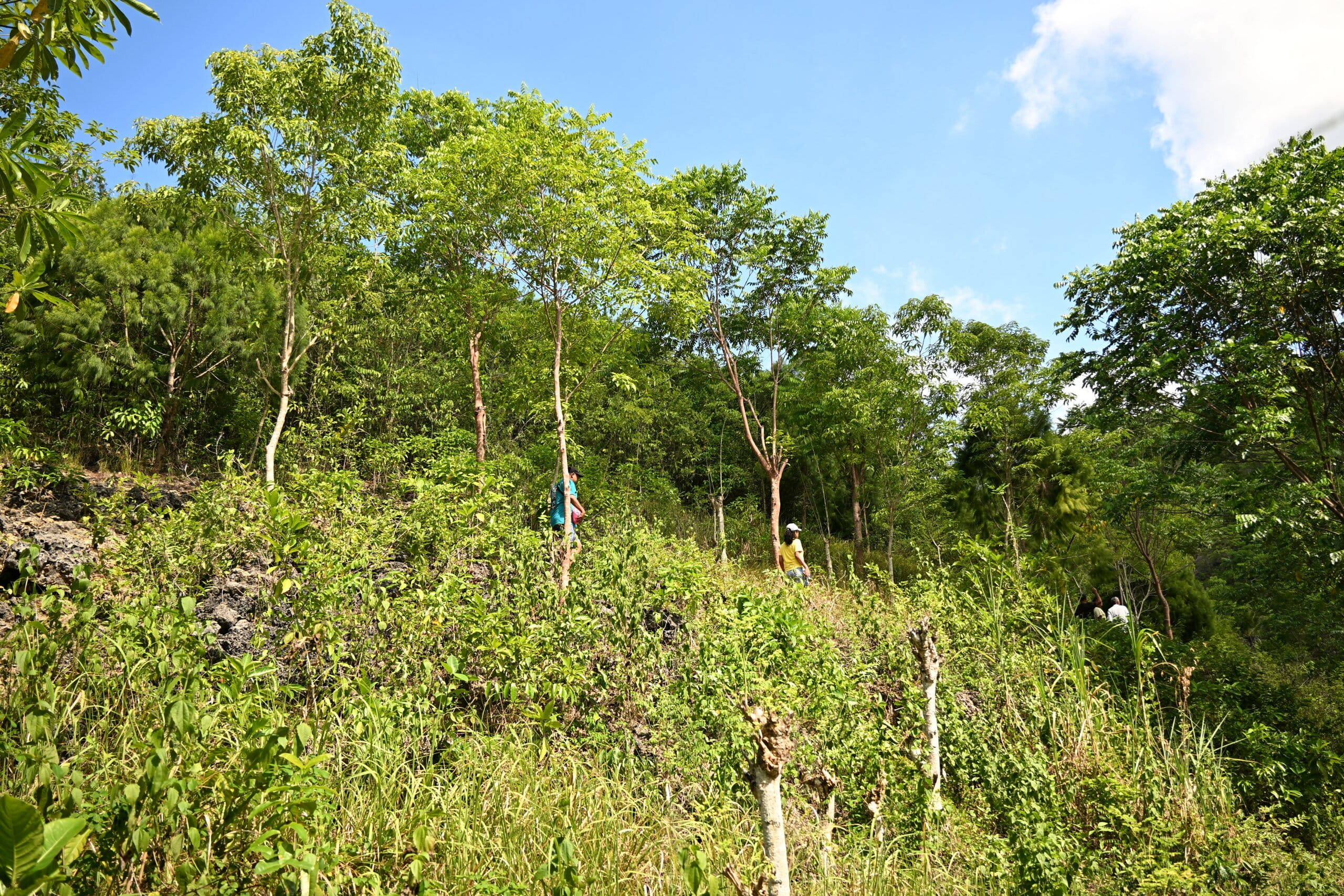
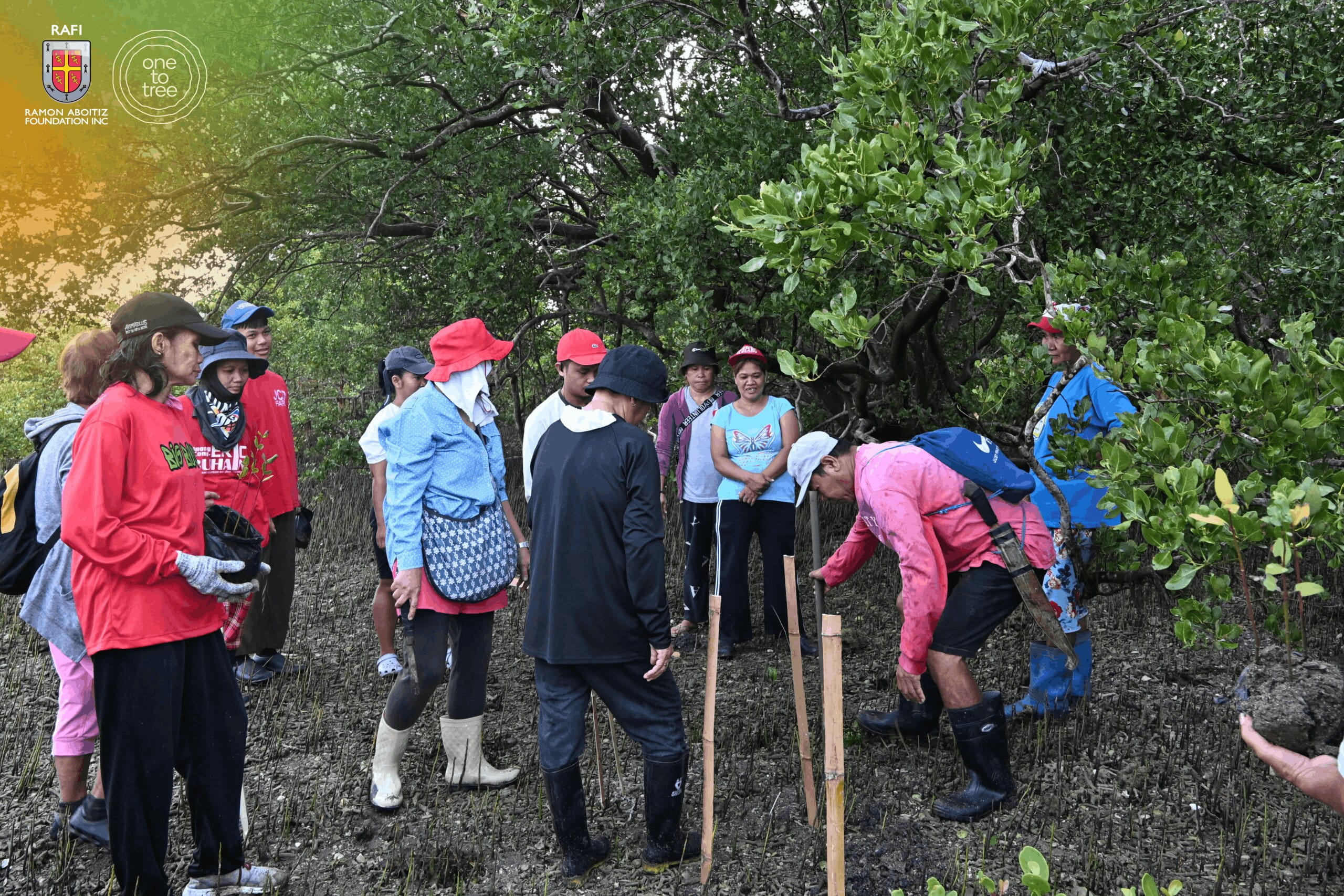
For communities, this kind of stewardship can be seen in small but consistent ways: checking if seedlings are growing, protecting young trees from damage, clearing away weeds and vines, adding natural fertilizer to the soil, learning which species belong in the area, and teaching younger generations why forests matter.
At A Glance
What Environmental Stewardship Means for Communities
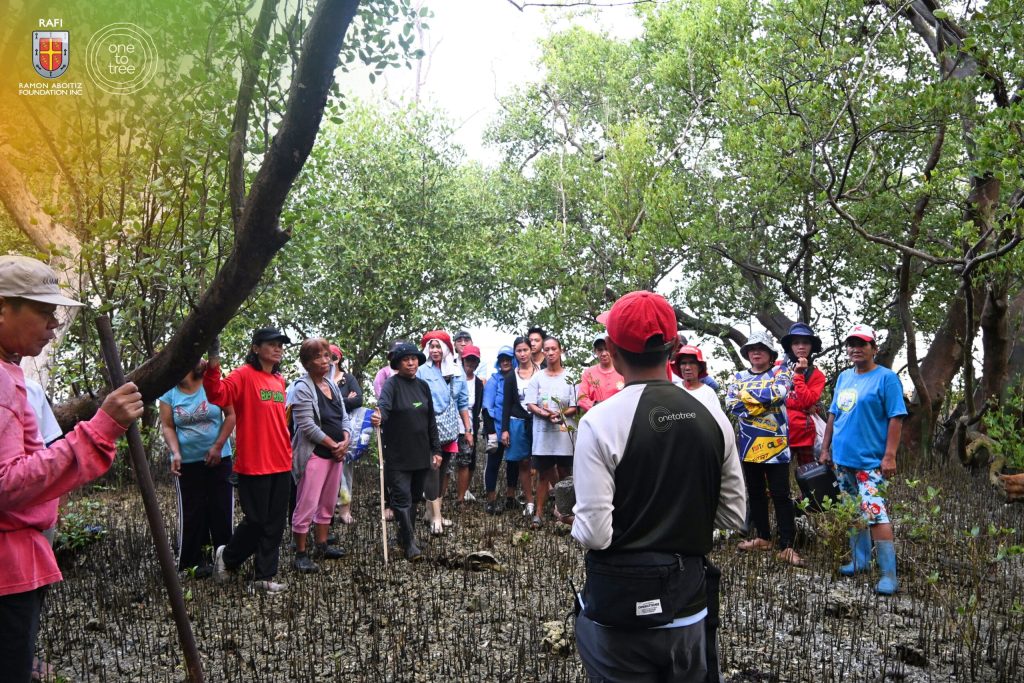
Environmental stewardship means taking responsibility for the natural resources that support life. For communities living near forests, that responsibility often begins with awareness.
A tree can serve as a natural barrier against heat and soil erosion, a source of fruit, a shelter for wildlife, or a component of a watershed. When communities understand this, tree growing becomes more meaningful.
It also changes how people see their role. Instead of viewing forests only as resources to use, communities begin to see them as living systems that need care. This shift is important because a forest truly thrives when it is cared for by the community itself. It needs people on the ground who know the land, understand local challenges, and have a personal reason to keep the trees alive.
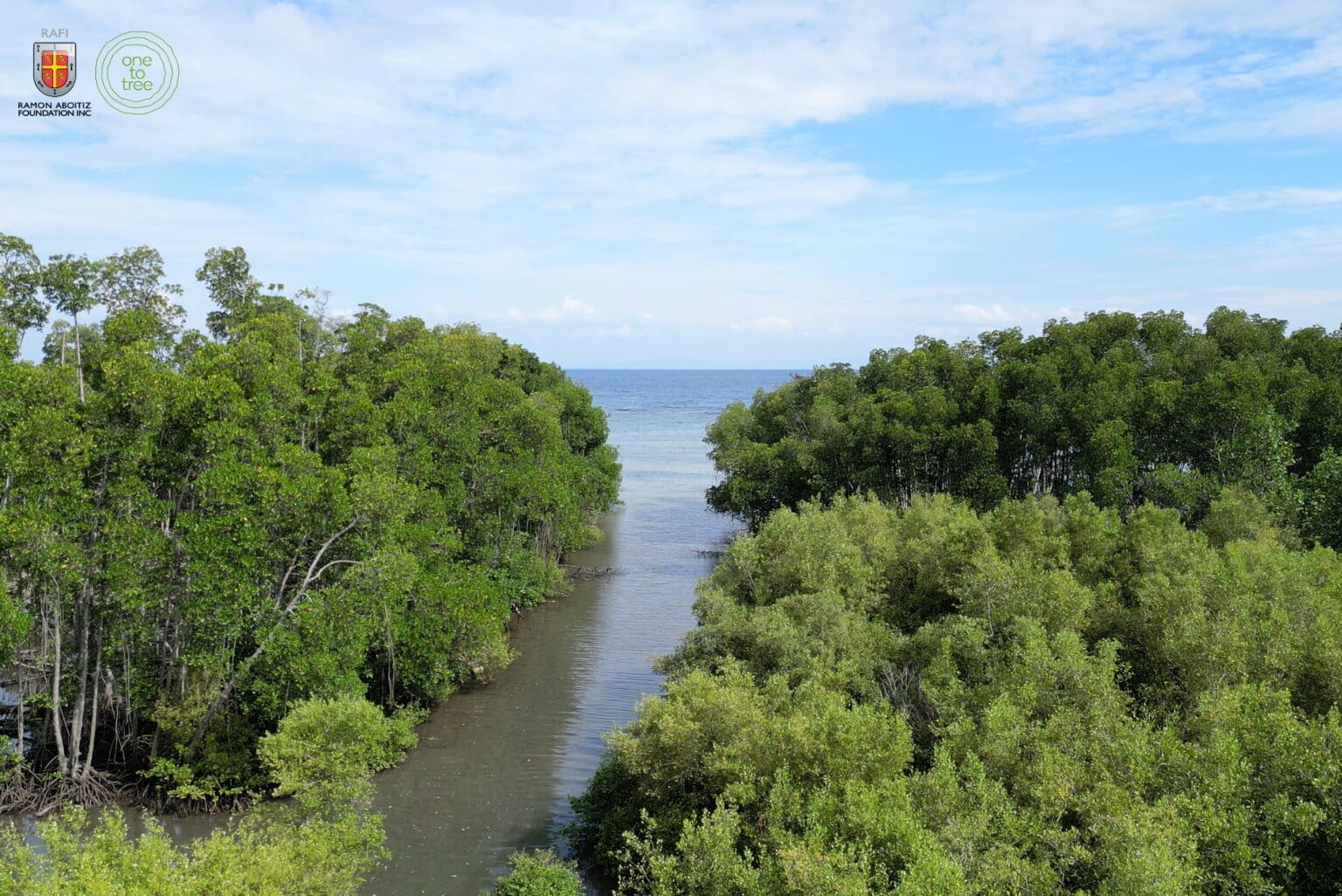
RAFI One to Tree supports this long-term approach by working with local communities, people’s organizations, LGUs, and partners to grow native and mangrove trees. The goal is not simply to increase the number of seedlings planted, but to help more communities become active stewards of their environment.
From Cutting Trees to Growing Them
One powerful example of community forest protection is the story of Rodolfo Baguiran of the Sacsac Farmers Association in Pinamungajan, Cebu.
Rodolfo once saw illegal logging as a way to survive like many people in his area. It was not because he did not care about the forest. It was because livelihood options were limited, and cutting trees had become part of what many families knew.
Over time, the effects became harder to ignore. Water sources have weakened. More land became barren. The heat felt more intense. Rodolfo began to connect these changes with the loss of trees around them.
That realization became a turning point. He changed his focus to tree-growing and assisted in founding the Sacsac Farmers Association rather than carrying on with the same pattern. With support from RAFI One to Tree, Therma Visayas Inc., and DENR, the community learned more about what to plant, where to plant, and how to care for trees properly.
His story shows that environmental stewardship is rooted in awareness and empowerment. It is about giving people the opportunity, support, and knowledge to protect what they once depended on in unsustainable ways
Impact Snapshot
Environmental stewardship in action can help communities:
- Protect young trees beyond the planting day
- Restore degraded forest and coastal areas over time
- Support cleaner air, healthier soil, and better water retention
- Strengthen local awareness around forest conservation
- Create shared responsibility among families, farmers, fisherfolk, LGUs, and partners
- Encourage the next generation to value and protect forests
Why Community Ownership Matters
Many tree-growing efforts fail when people only see them as short-term projects. A group plants seedlings, takes photos, and leaves. Yet without long-term follow-up, the initial effort quickly fades. Forests do not grow through one-day activities. They thrive with consistent care, patience, regular monitoring, and local ownership.
Community ownership means people feel that the trees are part of their future. Farmers may see them as protection for the soil. Fisherfolk may see mangroves as nurseries for fish and shields against coastal erosion. Parents may see trees as something their children will benefit from years later.
This is why environmental stewardship works best when communities are treated as partners, not just participants. Their local knowledge matters. Their concerns matter. Their willingness to protect the trees after planting day matters.
For RAFI One to Tree, this approach helps turn tree growing into a shared commitment. Communities' role goes well beyond receiving and planting seedlings; they are actively engaged, encouraged, and supported in nurturing the trees they help grow.
Everyday Ways Communities Protect Forests
Effective forest protection thrives on practical, everyday habits that communities can sustain.
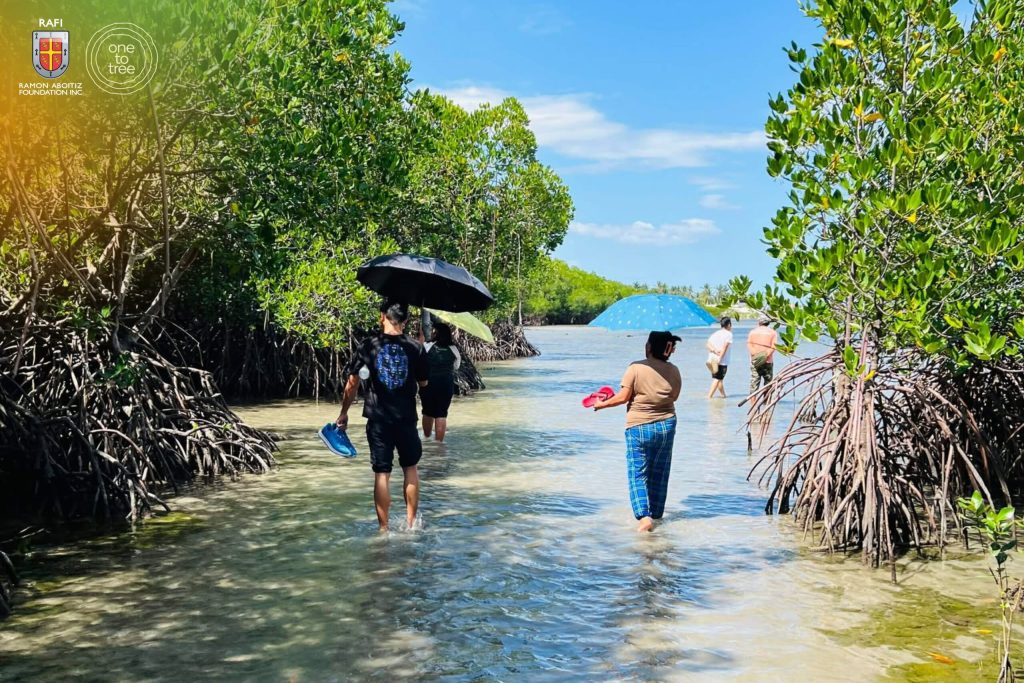
To inspect planted regions, a group of farmers may plan frequent inspections. A coastal community may protect mangroves from cutting or waste. A barangay could assist in reminding locals not to carelessly clear or burn areas. The importance of native trees can be taught to kids. A family may choose to care for seedlings near their home until it becomes strong enough to survive.
These actions may look small on their own, but together they help build a culture of forest conservation.
Environmental stewardship also becomes stronger when people share what they learn. One farmer’s success can encourage another. One restored area can inspire nearby communities. One child who grows up understanding the value of trees can carry that mindset into adulthood.
This is how forest protection becomes part of community life.
How Partners Can Support Community Stewardship
Communities play a vital role in protecting forests, and this mission is strongest when shared.
Businesses, donors, institutions, and civic groups can help by supporting tree-growing programs that prioritize long-term care. This includes funding native and mangrove seedlings, helping with site preparation, supporting monitoring activities, and strengthening community training.
For corporate partners, environmental programs become more meaningful when they go beyond one-time planting into a deeper lasting commitment to nature and the communities. Supporting community-led tree growing allows companies to contribute to climate action, biodiversity protection, and local resilience in a more grounded way.
For individual donors, even one tree can become part of something bigger when it is connected to a program that works with communities on the ground.
When partners and communities work together, forest conservation becomes more than an environmental goal. It becomes a shared responsibility.
Frequently Asked Questions (FAQs)
What is environmental stewardship?
Environmental stewardship means taking care of natural resources like woods, water, soil, and coastal habitats. It involves everyday actions that help protect and restore the environment.
Why are communities important in protecting forests?
Communities are often closest to forest and coastal areas. They understand local conditions, see environmental changes firsthand, and can help care for trees long after planting activities are done.
How does tree growing support forest conservation?
Tree growing supports forest conservation by restoring degraded areas, increasing tree cover, improving habitats, and encouraging long-term care for native and mangrove trees.
How can donors support environmental stewardship?
Donors can support environmental stewardship by contributing to programs that work with communities, prioritize proper tree growing, and focus on long-term monitoring and care.
How does RAFI One to Tree help communities protect forests?
RAFI One to Tree works with communities, people’s organizations, LGUs, and partners to grow native and mangrove trees while encouraging local ownership and long-term environmental care.
Conclusion
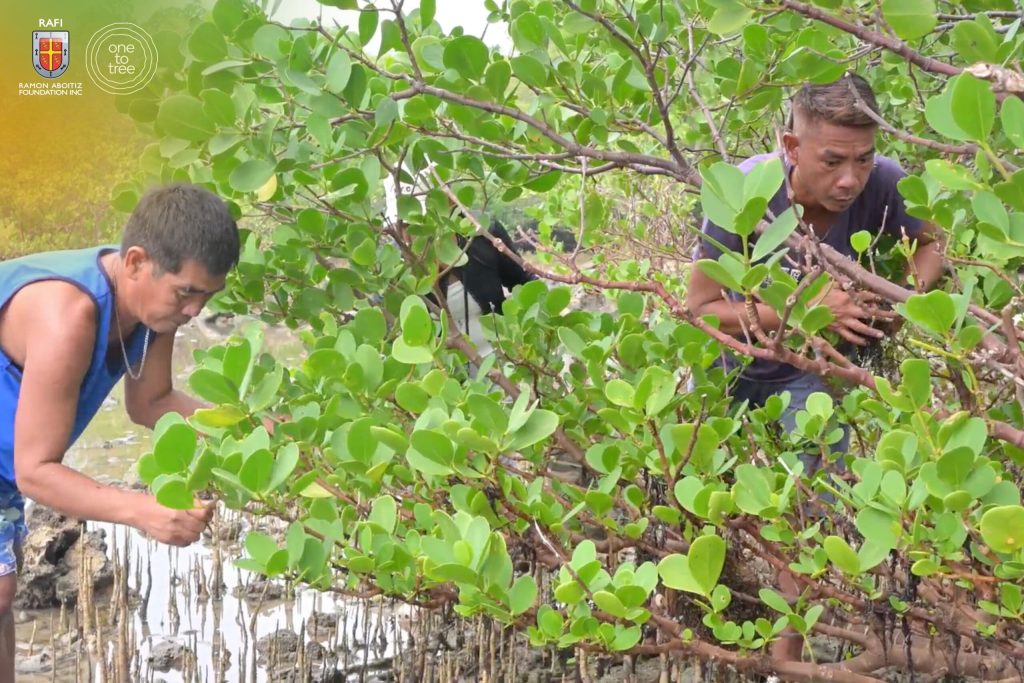
Environmental stewardship is not measured not only by how many trees are planted, but by how many trees survive and thrive, how many communities become involved, and how many people begin to see forests as part of their future.
The work of protecting forests requires patience, asking us to think beyond immediate needs to consider what will remain for the next generation. It is a journey that reminds us that the communities closest to the land are always its strongest protectors when supported with trust, knowledge, and long-term partnership.
Through RAFI One to Tree, communities, partners, and donors can help grow forests that protect lives, livelihoods, and the environment for years to come.
🌱 Protecting forests starts with people who choose to care. When you support RAFI One to Tree, you help communities grow and protect trees that can benefit families, wildlife, and future generations.