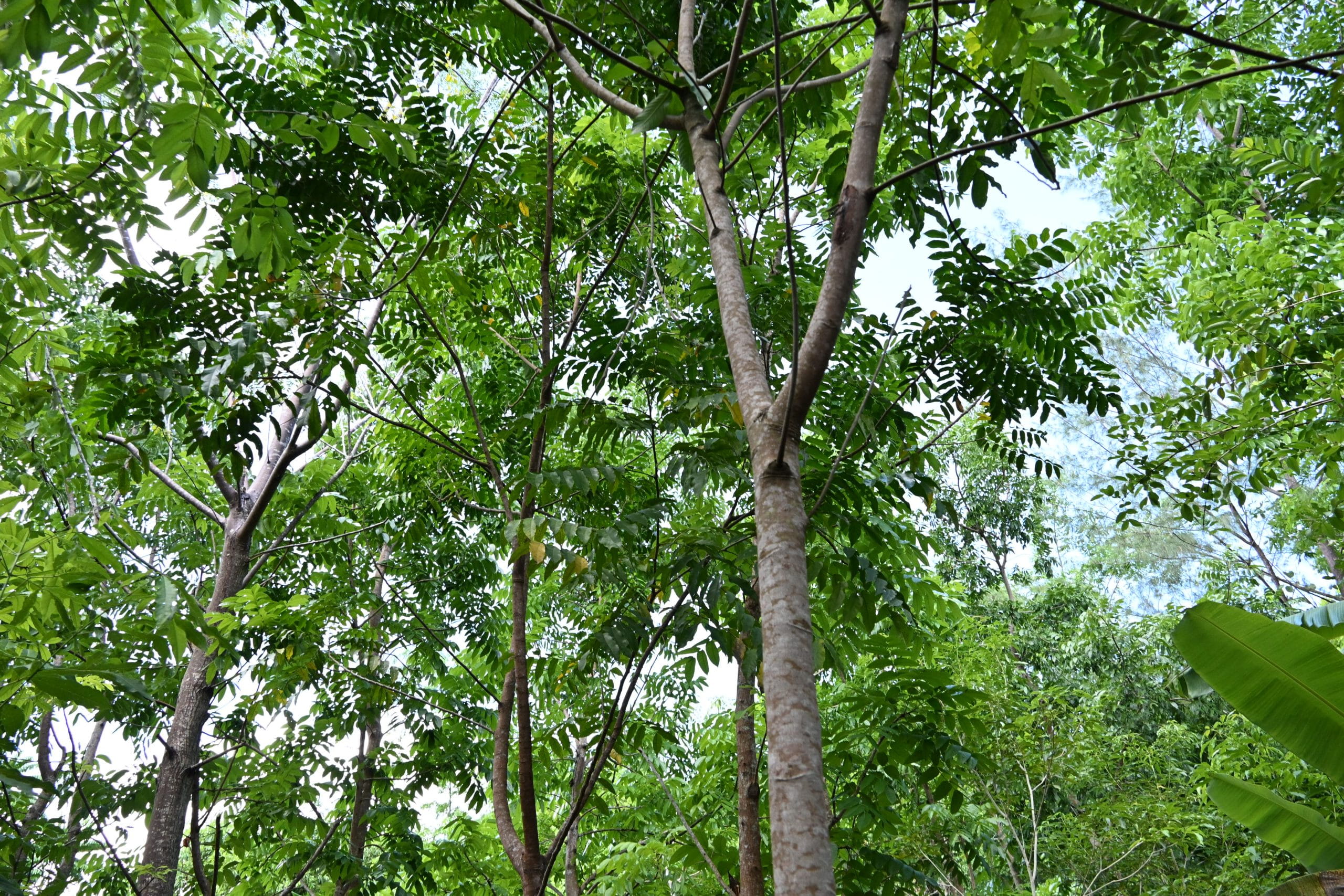
Arbor Day in the Philippines is a reminder that trees are part of everyday life. They sustain wildlife, provide shade on hot afternoons, help retain soil after heavy rains, and improve community health.
Observed every June 25, Arbor Day encourages tree planting, environmental awareness, and shared responsibility for greener communities. It is a meaningful occasion for schools, local governments, businesses, civic groups, and individuals to reflect on how trees support both people and the planet.
For RAFI One to Tree, the message is simple: lasting environmental change starts with trees and becomes powerful when communities grow them together.
At A Glance
Why Trees Matter
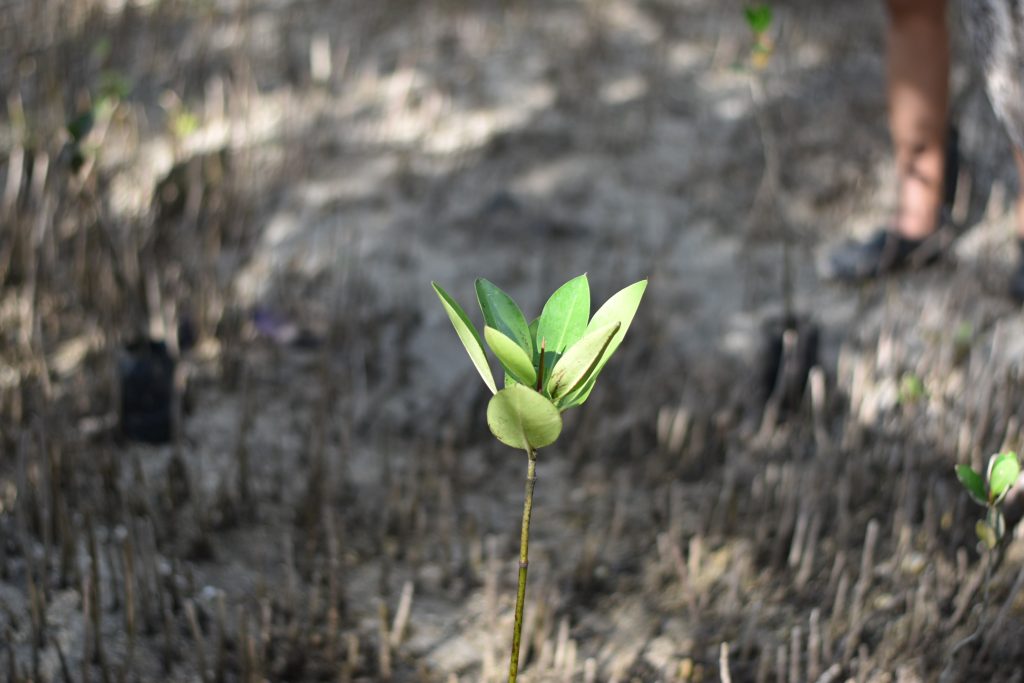
Growing trees is one of the most tangible and powerful ways to care for the environment.
They sustain biodiversity, cool communities, preserve soil, store carbon, and make areas healthier for both people and wildlife. Trees can also contribute to the stability and resilience of landscapes in regions that are vulnerable to intense heat, torrential rainfall, flooding, or landslides.
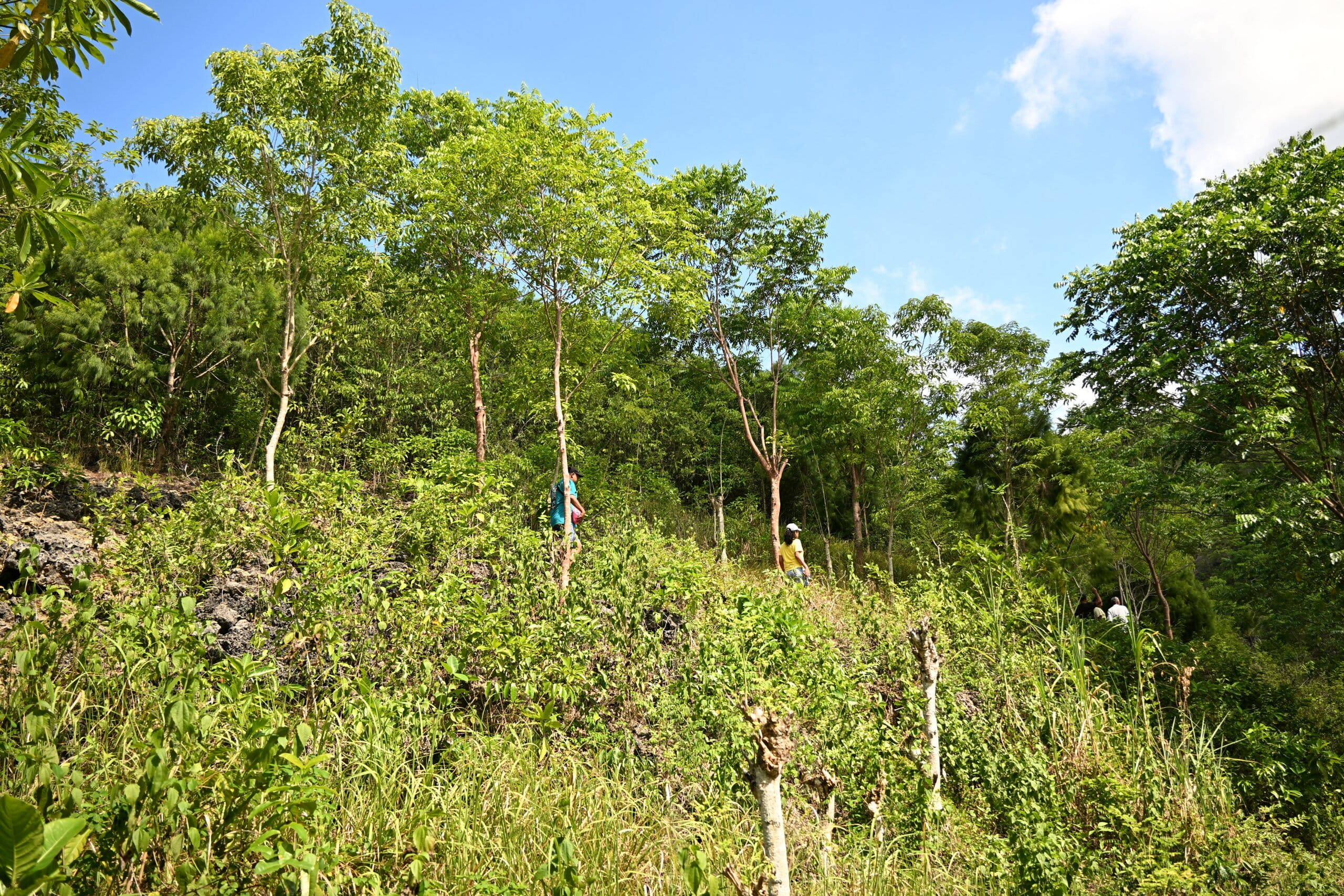
A tree is not just a symbol of care for nature. When planted and properly cared for, it becomes a vital part of a thriving ecosystem. Its roots help hold soil together. Its canopy provides shade. Its branches can shelter birds and other species. Growing trees have the potential to sustain nearby communities and ecosystems throughout time.
Arbor Day is a yearly reminder that our job doesn't end at planting; it begins with a promise to grow them well.
Why Native Tree Growing Matters
Not all tree planting efforts create lasting impact. Some plants are planted for a one-day event and then forgotten, while others might not be appropriate for the location. Without proper planning, monitoring, and care, many seedlings may not survive long enough to become part of a healthy ecosystem.
Since native trees are naturally connected to the local environment, they enhance biodiversity, sustain local species, and aid in long-term restoration. For reforestation in the Philippines, choosing native species is especially important because it rebuilds the exact ecosystems that communities depend on.
The work of RAFI One to Tree looks far beyond the initial planting day. The focus remains entirely on the years of nurturing, monitoring, and care required to transform a fragile seedling into a thriving, self-sustaining forest canopy.
Planting is the beginning. Growing requires patience, maintenance, community participation, and commitment.
Impact Snapshot: What Tree Growing Supports
Arbor Day becomes truly meaningful when awareness translates into tangible action. Through the cultivation of native species, tree growing actively promotes richer biodiversity, healthier landscapes, community-based stewardship, and long-term climate action.
Environmental impact cannot be achieved by planting alone. It relies on choosing the right species, committing to care that extends past the first day, and fostering collaborative partnerships built on the understanding that true ecological restoration takes time
Environmental Action Grows Through Community
One of the strongest lessons from RAFI One to Tree’s work is that true restoration relies on the coexistence of thriving trees and thriving people
The experiences of KaTreebu partners and the Lakbay Luntian journey are only two of the RAFI One to Tree community stories that show how environmental action becomes more important when people see themselves as land guardians. Tree growing is deeper than a technical activity. It is a shared responsibility built through trust, learning, and community participation.
This matters because restoration work can feel overwhelming. The need is immense and continuous, and results require patience But when committed stakeholders collaborate, the work becomes deeply personal.
A partner does not simply support seedlings. A volunteer does not simply join an activity. A community does not simply watch trees grow. They become part of a greater narrative, one where care for nature is connected to livelihoods, safety, identity, and future generations.
How Businesses, Schools, and Individuals Can Take Part
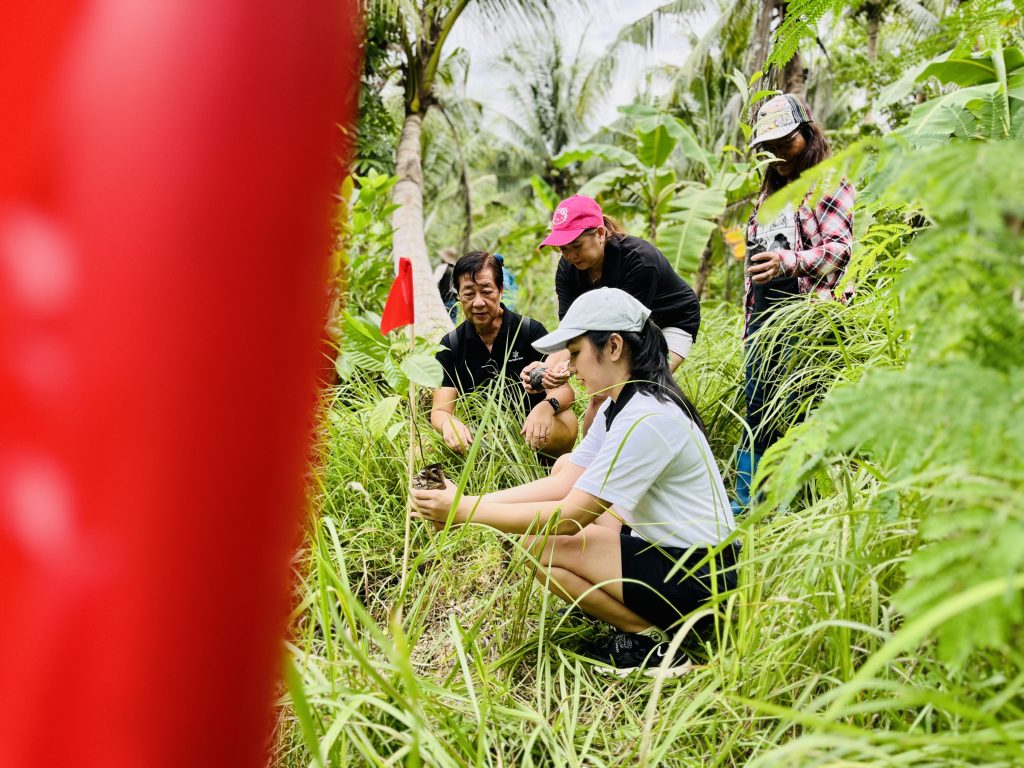
Arbor Day is a reminder that everyone can participate. While action can look different for each group, every contribution is equally profound to the environment.
Supporting native tree cultivation is a component of corporate sustainability, corporate social responsibility, or ESG initiatives. It is a real investment in ecosystem restoration and community resilience.
Outside of scientific courses, schools educate children about the value of trees and empower them to make a difference no matter how "small". They can instill a deep understanding that these trees directly shape the air they breathe, the shade they enjoy, and the very future their students will inherit
Local communities hold the power to drive this mission forward by championing education about local ecosystems, supporting responsible tree-growing initiatives, participating in restoration projects, and safeguarding existing trees for the next generation .
For donors and partners, it can mean helping RAFI One to Tree expand long-term restoration work across the country. Each action may seem small on its own, but when many people choose to care, those efforts can grow into something lasting.
Growing the Future with RAFI One to Tree
RAFI One to Tree works with partners, communities, and supporters to help restore ecosystems through native tree growing. Its work reflects a simple but important idea: environmental care becomes stronger when people are part of the process.
Selecting the appropriate species, locating ideal locations, tending to planted trees, keeping an eye on developments, and empowering communities to grow trees and become the primary stewards of restoration.
It also creates opportunities for people to act with purpose. Donors fuel tree growing, companies drive reforestation goals, and schools ignite awareness. Partners expand the reach of restoration work, while communities take proud ownership of watching forests return to the places that need them most.
This is how one day of awareness can become an invitation to do something that lasts.
Frequently Asked Questions (FAQs)
What is Arbor Day in the Philippines?
Arbor Day in the Philippines is observed every June 25. It is a commemorative day that encourages tree planting, environmental awareness, and shared participation in caring for greener communities.
Why is Arbor Day important?
It reminds people that trees support daily life. Trees provide shade, protect soil, support biodiversity, and help communities become healthier and more resilient.
Why does RAFI One to Tree focus on tree growing instead of tree planting alone?
Tree planting is only the first step. Tree growing includes planning, species selection, monitoring, maintenance, and community care so seedlings have a better chance of surviving.
Why are native trees important?
Native trees are better suited to local environments. They support local wildlife, strengthen biodiversity, and help restore ecosystems in more sustainable ways.
How can I support RAFI One to Tree?
You can support RAFI One to Tree by partnering with the program, supporting native tree growing, donating seedlings, or helping restore ecosystems that communities and future generations can benefit from.
Conclusion
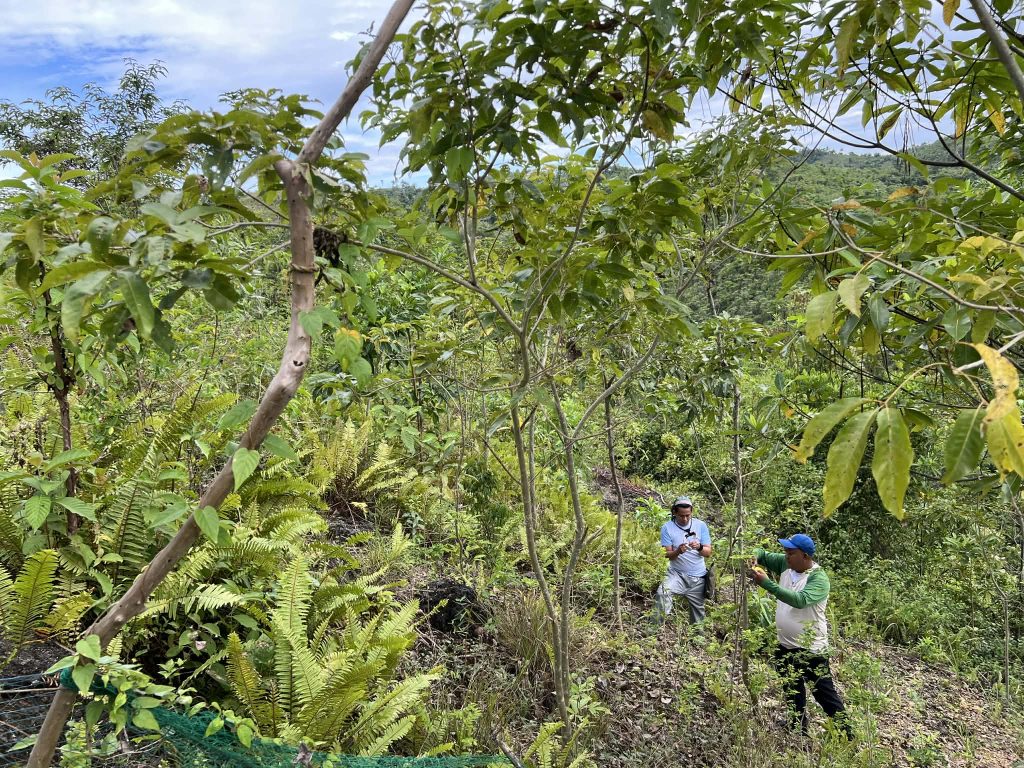
Beyond June 25, Arbor Day in the Philippines carries a message that is close to home.
It begins with a child learning why shade matters, a community protecting a hillside, a company choosing a meaningful sustainability effort, or a donor helping grow native trees for future generations.
Nature starts with trees, but but our impact reaches far beyond.
Every tree grown with care is part of a greater narrative of environmental responsibility, climate action, and hope. On this day, we are reminded that the greener and thriving future we want will not grow on its own. We are building and growing it together – today, tomorrow, and for every generation to come.
🌱 Grow something that lasts beyond one day. Support native tree growing through RAFI One to Tree and help restore ecosystems that communities and future generations can depend on.