
“A business that makes nothing but money is a poor business.” - Henry Ford.
Business has always been associated with profit. Many companies are built with the goal of creating financial returns, growing operations, and staying competitive in their industry.
Today, however, success is no longer measured by profit alone. More companies are recognizing that corporate social responsibility in the Philippines is an important part of how they operate, serve communities, and care for the environment.
A CSR program for employees can help turn this responsibility into something more meaningful. When employees are invited to volunteer, give, share their skills, or support a cause they believe in, CSR becomes more than a company initiative. It becomes a shared effort.
Corporate social responsibility means operating in a way that considers a company’s impact on people, communities, society, and the environment. For businesses, this can include ethical operations, sustainability practices, community support, employee volunteer programs, and partnerships with credible nonprofit organizations.
Understandably, employees have limited time outside their daily responsibilities. Business demands can be fast-moving, and companies often need to focus on improving operations, serving customers, and meeting goals. Still, organizations that make room for CSR often create a stronger sense of purpose within their teams.
A good CSR program for employees can support workplace culture, strengthen team connection, and give people a more fulfilling way to contribute beyond their regular tasks. Whether your company organizes a volunteer day, supports a local cause, or partners with a nonprofit organization, the act of giving back can help build stronger bonds within the workplace.
If your company is looking for CSR ideas in the Philippines, here are seven ways to engage employees in a meaningful CSR program.
At A Glance
1. Find the Right Cause

Before launching a volunteer activity, identify a cause that resonates with both your company and employees. This step is important because employees are more likely to participate when the cause feels relevant, meaningful, and connected to their values.
Start by asking your team what issues matter to them. Some employees may care about education, health, disaster response, livelihood, or environmental protection. Others may be interested in tree growing, coastal cleanups, or community-based programs.
For larger organizations, a short employee survey can help gather ideas. Ask employees which causes they care about, what types of volunteer activities interest them, and whether they prefer in-person volunteering, donation drives, or skills-based opportunities.
The goal is to create a CSR program for employees that feels shared, not forced. When employees feel included from the beginning, they are more likely to support the program with genuine interest.
2. Designate Days for Employees to Volunteer
Once your company has chosen a cause, give employees time to participate. Many people want to help but may not have enough time outside work to join volunteer activities. Setting aside specific volunteer days or allowing paid volunteer hours can make participation easier.
Employee volunteer programs can take many forms. Teams may join a community activity, support a local food bank, participate in a charity walk, organize a donation drive, or help with a beach or park cleanup.
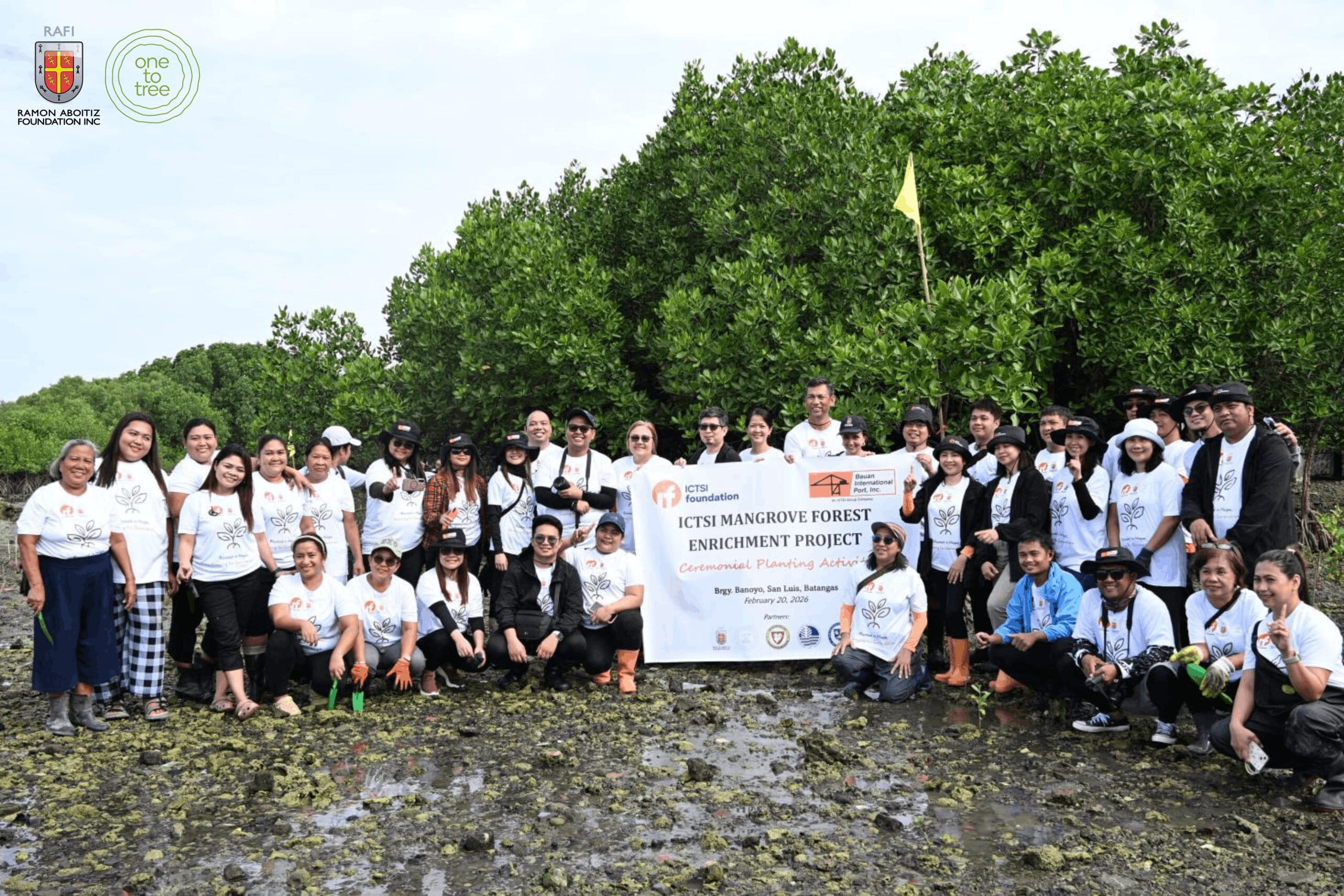
For employees who are interested in environmental action, your company may also consider partnering with RAFI One to Tree. Through native tree-growing initiatives, employees can contribute to long-term environmental stewardship and community-centered restoration.
It is also important to remember that employees do not always need to volunteer as one large group. Some may want to support a cause that is personally meaningful to them. Others may be unable to join activities that require travel or extended time away from work. Giving employees flexible options can make your CSR program more inclusive.
3. Respond to Local Events
Natural disasters and urgent community needs can happen at any time. In the Philippines, typhoons, flooding, and other emergencies can create situations where communities need immediate support.
Companies can play a meaningful role by responding quickly and thoughtfully when help is needed. This may include organizing relief drives, raising funds, collecting supplies, or coordinating with trusted organizations already working on the ground.
As a company, you may have resources, networks, and manpower that can support affected communities. A CSR program for employees can help coordinate these efforts and enable team members to contribute during urgent situations.
At the same time, disaster response should be done with care. Working with credible partners helps ensure that help reaches the right communities and address real needs.
4. Offer Skills-Based Micro-Volunteering
Not all CSR work needs to involve physical volunteering or financial donations. Employees can also contribute by sharing their skills.
Many nonprofit and community organizations need support with design, writing, social media, website updates, planning, data organization, research, training, and other professional services. Employees can make a difference by offering expertise they already use in their work.
Skills-based volunteering can also be done in small time blocks. This makes it a practical option for employees who want to help but may not be able to attend a full-day volunteer activity.
For example, a marketing team may help create awareness materials. A finance team may assist with budgeting templates. A design team may support campaign visuals. These smaller contributions can still create real value for partner organizations.
5. Match Employee Donations
Donation matching is another effective way to encourage employee participation. When employees know their contributions will be matched by the company, they may feel more motivated to give.
This also shows that the company supports the same causes its employees care about. It helps create a shared sense of responsibility and reinforces the idea that giving back is part of the company’s culture.
Donation matching can be done during a specific campaign, after a disaster, during the holidays, or as part of an annual CSR initiative. Any amount, big or small, is meaningful. What matters is that the company helps strengthen the impact of employee giving.
For environmental causes, matched donations can help support seedling production, site preparation, tree maintenance, or capacity building of farmers and fisherfolk.
6. Host In-Office Volunteering Opportunities

Off-site activities are meaningful, but they are not always easy to organize. Transportation, scheduling, and workload concerns can make it difficult for some employees to participate.
In-office volunteering can help solve this. Companies can organize simple activities that employees can join during work breaks or scheduled CSR hours. These may include packing relief goods, collecting donations, preparing school supplies, writing cards for beneficiaries, or hosting awareness sessions about a chosen advocacy.
These activities are easy to set up and highly visible within the workplace. They can also encourage employees who may be hesitant to join larger volunteer events.
For hybrid or remote teams, companies can adapt this idea through online donation drives, digital volunteer work, or virtual learning sessions with partner organizations.
7. Share Your CSR Story
Stories of impact are worth sharing. Communicating your CSR journey can amplify its impact. It helps raise awareness, recognize employee contributions, and encourage others to support meaningful causes.
However, the way you share the story matters. CSR communication should feel sincere, respectful, and focused on impact. The emphasis is on the people, partnerships, and outcomes behind the initiative.
Document volunteer events, donation drives, employee reflections, and partnership milestones through your website, social media pages, or internal newsletters. Highlight the cause or advocacy, the partner organization, the employees who participated, and most especially the purpose behind the activity.
Sharing these stories can also strengthen employee pride. When people see that their efforts are valued and connected to a larger goal, they may be more willing to join future CSR activities.
Impact Snapshot: What Employee CSR Can Build
A thoughtful CSR program for employees can create value inside and outside the workplace.
For employees, it can help build:
- stronger team connection
- a deeper sense of purpose
- opportunities for personal and professional growth
- pride in contributing to meaningful causes
For companies, it can support:
- a more positive workplace culture
- stronger employee engagement
- better alignment between values and action
- more meaningful community relationships
For communities and partner organizations, it can provide:
- volunteer support
- funding or resources
- skills-based assistance
- long-term partnerships
CSR becomes stronger when it is not treated as a one-time event. With a cause that aligns with your organization’s values, clear participation options, and credible partners, companies can make giving back part of their workplace culture.
Partner With RAFI One to Tree
For companies looking for CSR ideas in the Philippines, environmental action through tree-growing activities can be a engaging way to involve employees.
RAFI One to Tree gives companies, employees, and partners an opportunity to support native tree growing and long-term environmental restoration. Through partnerships, organizations can contribute to efforts that support biodiversity, restore ecosystems, and advance a shared advocacy for environmental stewardship.
Tree growing is also a practical way for employees to connect with a cause they can see and understand. It allows teams to participate in something hopeful, hands-on, and connected to the future of Philippine communities and landscapes.
If your company is building a CSR program for employees, partnering with RAFI One to Tree can provide purposeful opportunities for employees to contribute to environmental stewardship and community-based restoration.
Frequently Asked Questions
What is a CSR program for employees?
A CSR program for employees is a company initiative that allows employees to participate in social, community, or environmental causes. This can include volunteering, donation drives, skills-based support, employee giving, or partnerships with nonprofit organizations.
How can companies encourage employees to join CSR activities?
Companies can encourage employees by choosing causes they care about, offering flexible volunteer options, giving them time to participate, matching donations, and sharing updates about the impact of their contributions.
What are examples of employee volunteer programs?
Employee volunteer programs can include tree-growing activities, coastal cleanups, relief drives, charity events, mentoring, donation packing, fundraising, or skills-based support for nonprofit organizations.
Why is corporate social responsibility in the Philippines important?
Corporate social responsibility in the Philippines is important because businesses can help address community, environmental, and social needs. It also helps companies build a more purpose-driven culture among employees.
How can RAFI One to Tree support company CSR efforts?
RAFI One to Tree can support company CSR efforts through native tree-growing partnerships and environmental restoration initiatives. These programs give companies and employees a meaningful way to contribute to long-term environmental care.
Conclusion

Embracing corporate social responsibility can help companies build a more positive workplace while supporting meaningful causes. When employees are invited to volunteer, CSR becomes more than a company activity. It becomes a shared expression of purpose, care, and community responsibility.
A strong CSR program for employees starts with a cause that aligns with both organizational values and employee interests. It gives people flexible ways to volunteer, donate, share skills, and respond to local needs. It also creates opportunities for employees to grow, connect, and feel proud of the organization they are part of.
For businesses in the Philippines, giving back should be a serious and thoughtful commitment. Whether through volunteer programs, donation matching, or environmental partnerships, companies can help create impact that lasts beyond a single activity. The most effective CSR initiatives are those that foster long-term engagement, strengthen communities, and encourage employees to become active participants in creating positive change
🌱 If your company is ready to build a meaningful CSR program for employees, RAFI One to Tree can help you take the next step. Partner with us and help grow native trees, support communities, and contribute to long-term environmental restoration.