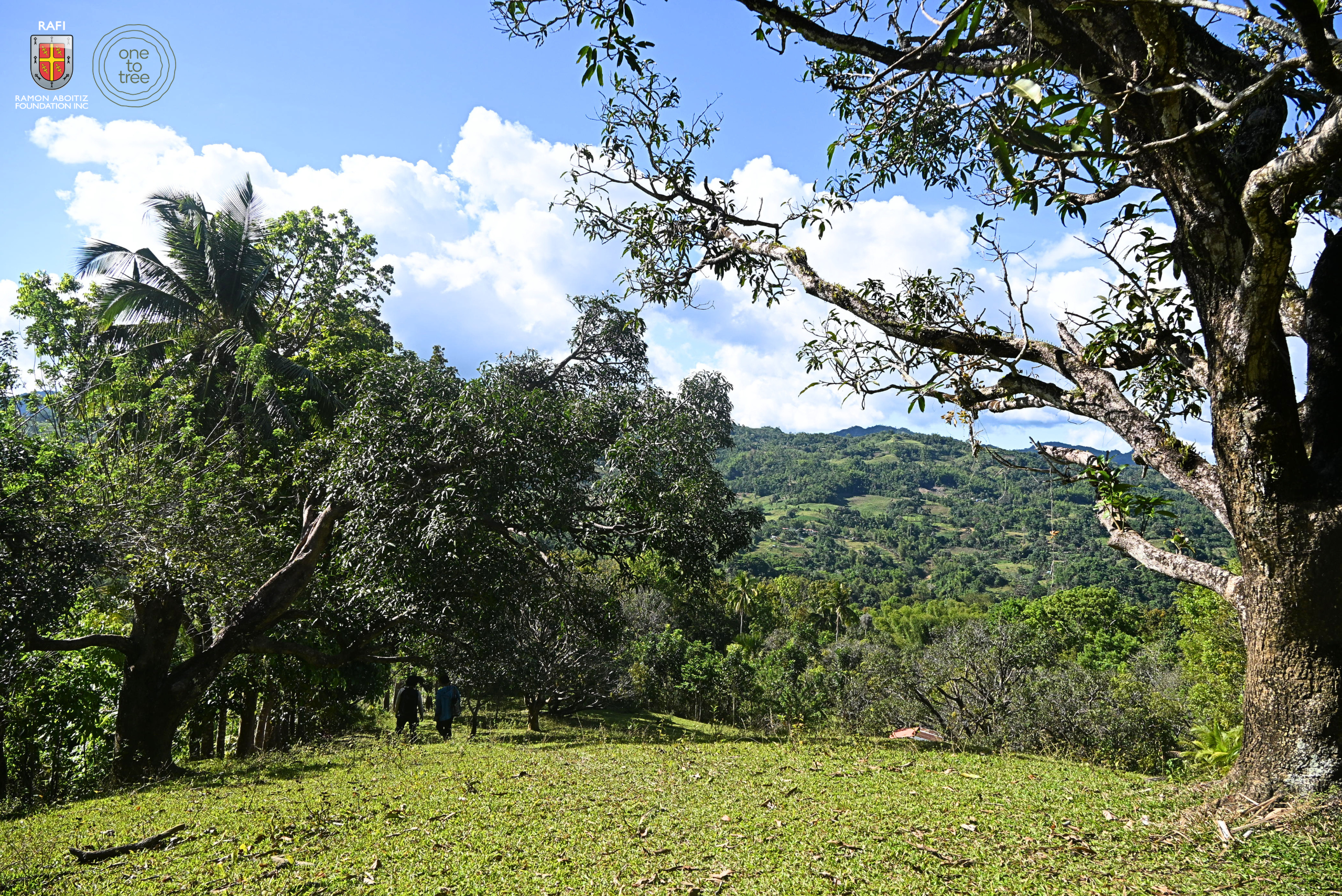
When the Bank of the Philippine Islands (BPI) marked its 171st anniversary, they chose to celebrate by planting a legacy that would outlast any milestone. Ramon Aboitiz Foundation, Inc.’s One to Tree (RAFI OTT) partnered with the BPI Foundation to help such initiative become a reality. Through the Lakbay Luntian – Visayas Project, the collaboration restored 171 hectares of land and planted 136,800 native and fruit‑bearing seedlings—achieving an overall average survival rate of 80 percent. The initiative also empowered 137 farmers and six people organizations (POs) across 16 barangays—transforming a reforestation effort into a movement for community resilience and sustainable livelihoods.
Situated in Dumanjug, Cebu, the project began as a landscape rehabilitation initiative but quickly evolved into a holistic program that blended ecological restoration with community development. Working closely with the Kapunongan sa mga Mag‑uumang Mamumuo sa Monte Maravilla (KAMA‑UMO) and the Kambanog Farmers Association (KAMFA), Lakbay Luntian strengthened local stewardship and supported sustainable livelihoods for the local community farmers.
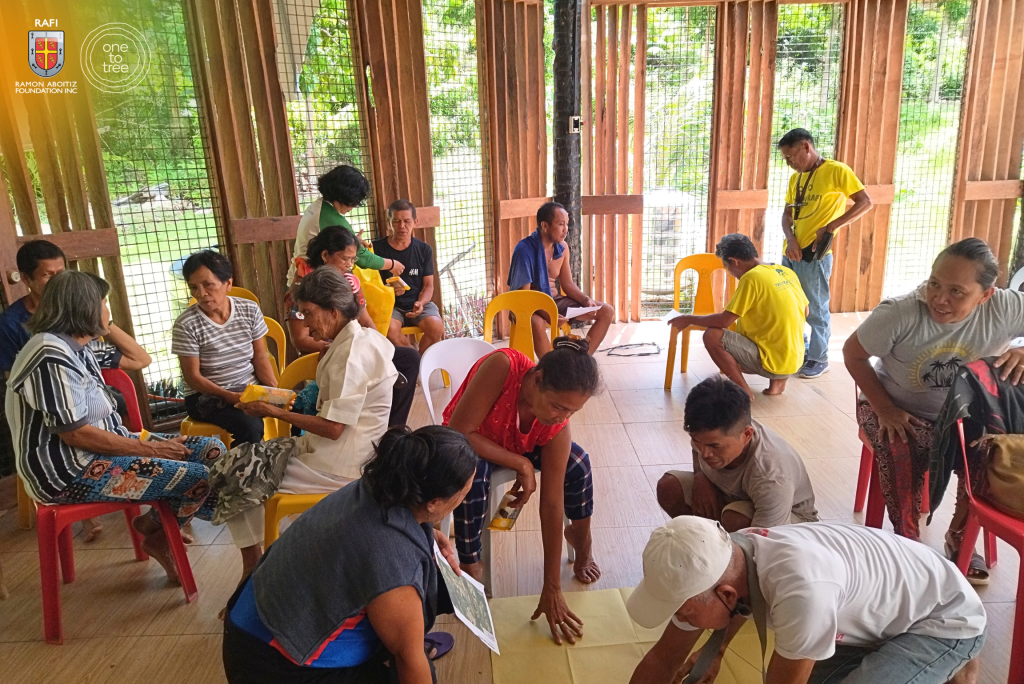
At the onset, RAFI One to Tree focused on building a strong foundation for long-term success. The team spent time working with the farmers, validating planting sites, securing landowner commitments, and aligning with local government units. Despite challenges like the severe dry season, by the end of this phase, communities across all 16 barangays were actively involved, supported by site-planning guidance and technical training that laid the foundation for sustainable tree-growing practices.
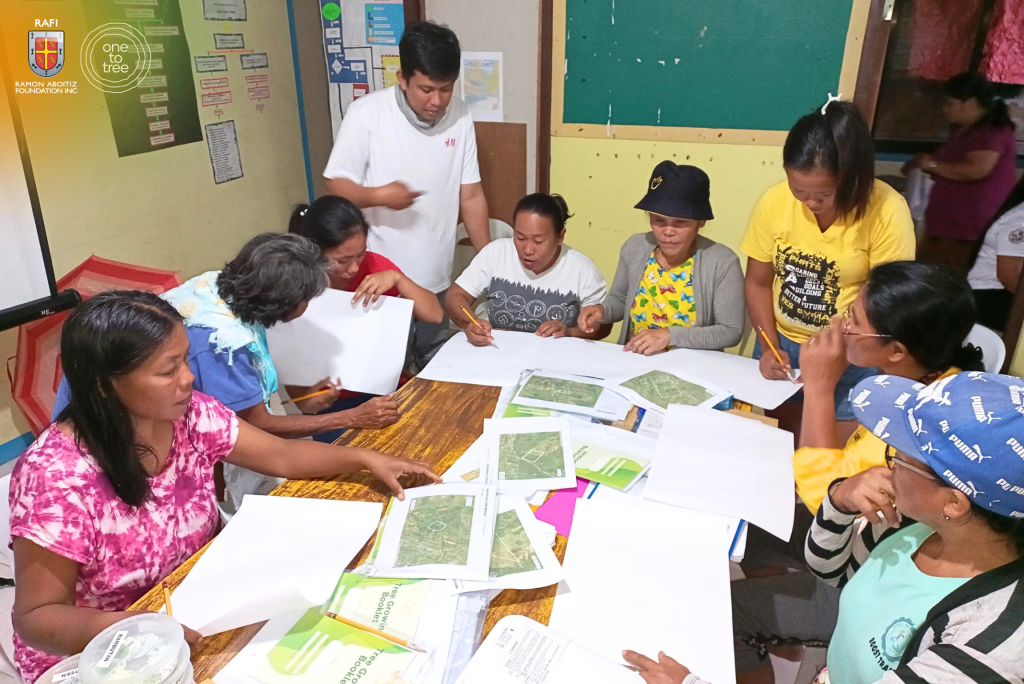
As implementation progressed, the team was able to produce 136,800 seedlings through nurseries and plantation co-designed with the community. Seedlings were planted across prepared areas in 2022 and 2023, with support through training, site preparation, and coaching from the RAFI OTT team. This structured yet community-centered approach not only fulfilled the project’s technical goals—it also nurtured a strong sense of stewardship among partner farmers. Together, these efforts established a solid foundation for long-term restoration, established in both environmental impact and genuine community ownership.
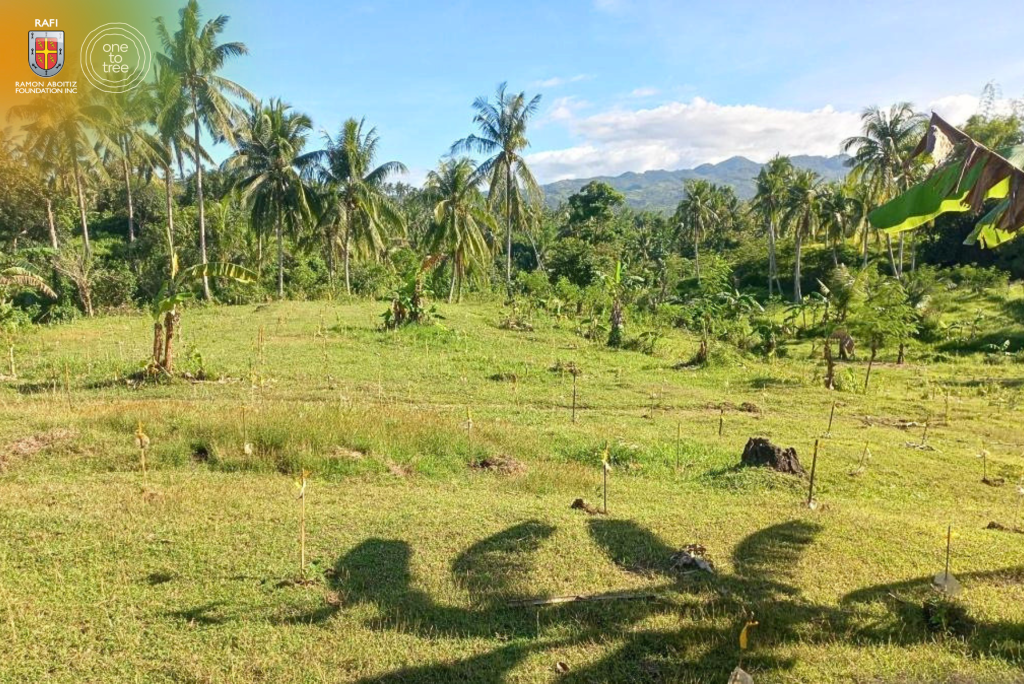
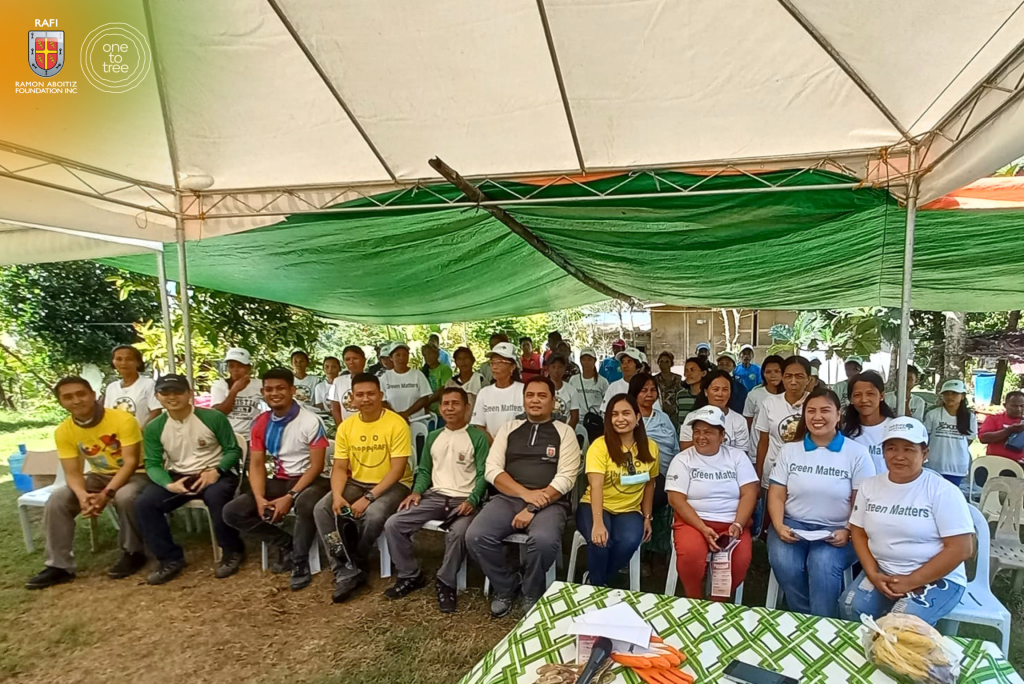
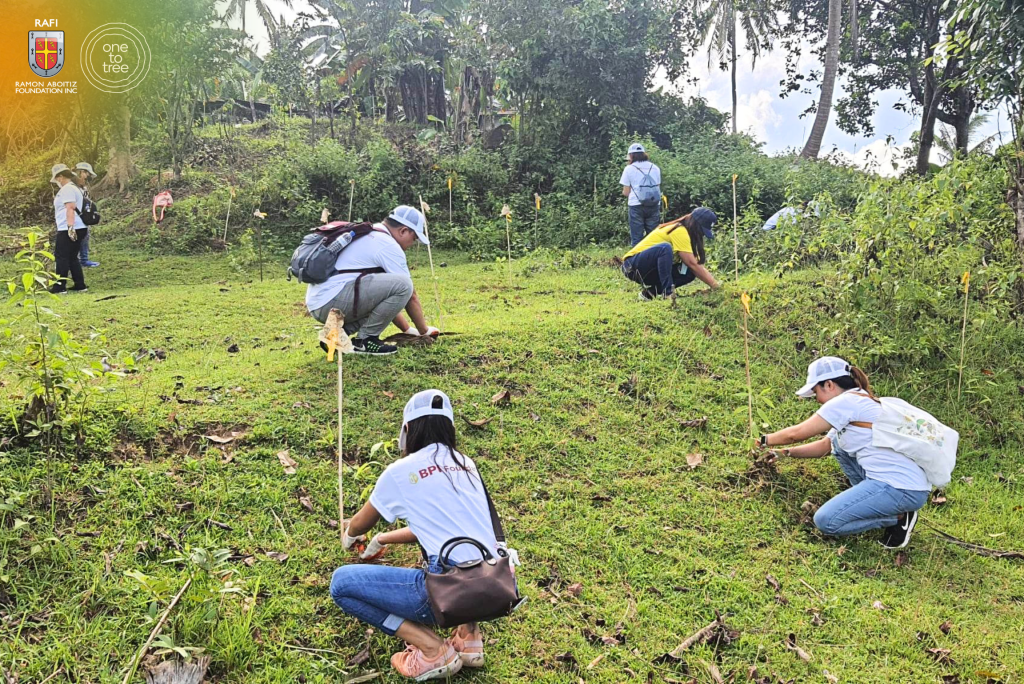
In August 2022, the quiet uplands of Kambanog came alive as volunteers from BPI and BPI Foundation, RAFI OTT, LGU Dumanjug, and its barangay unit joined KAMFA for a ceremonial tree‑planting activity. Side by side, they planted native timber and variety of fruit-bearing seedlings—each one a symbol of shared commitment to restoring forests and strengthening the community’s future. What unfolded that day was more than a planting event; it was a gathering of partners united by a common purpose, showing how environmental stewardship thrives when people choose to work together.
The collaboration deepened relationships between farmers, local government units, and private organizations, proving that reforestation is as much about community as it is about the land. The joint effort not only contributed to biodiversity and ecological balance but also cultivated trust and renewed hope among those involved. To sustain the initiative’s success, the RAFI One to Tree team conducted post-planting organizational development trainings with partner POs to strengthen their governance and oversight of planting maintenance activities. BPI Foundation, on the other hand, conducted follow‑up site visits and several community engagements —transforming the project into a living testimony of progress, resilience, and the collective will to build a greener future.
Beyond environmental restoration, the program emphasized long-term community sustainability through capacity-building. By strengthening partner people’s organizations (POs), farmers developed leadership skills, financial confidence, and the ability to manage their livelihoods more effectively, ensuring that the benefits of Lakbay Luntian extend well beyond the tree-growing activities.
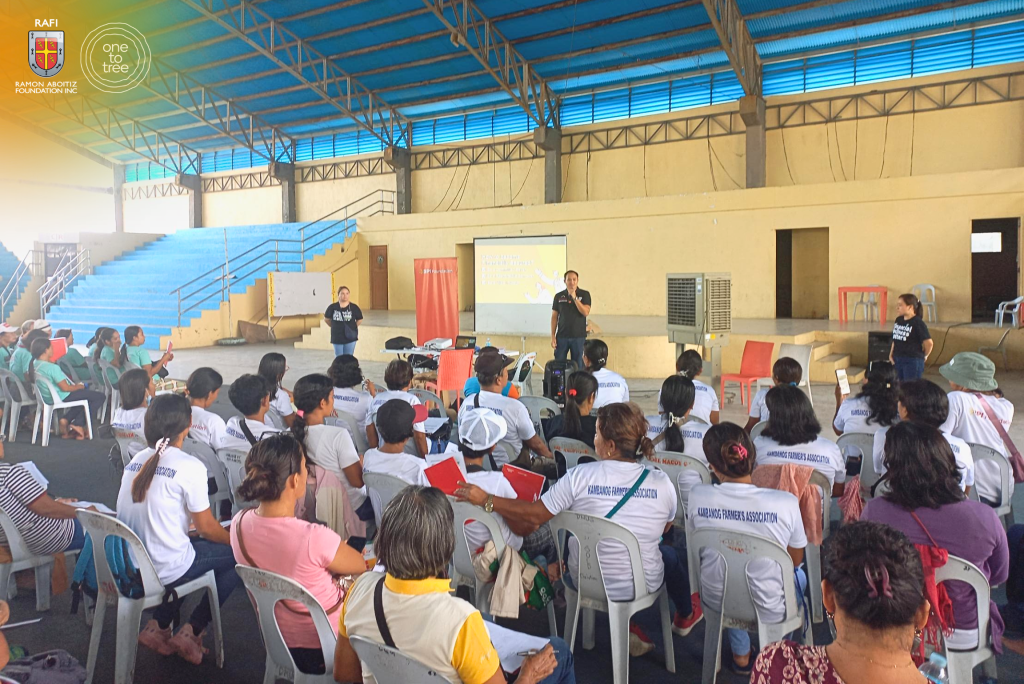
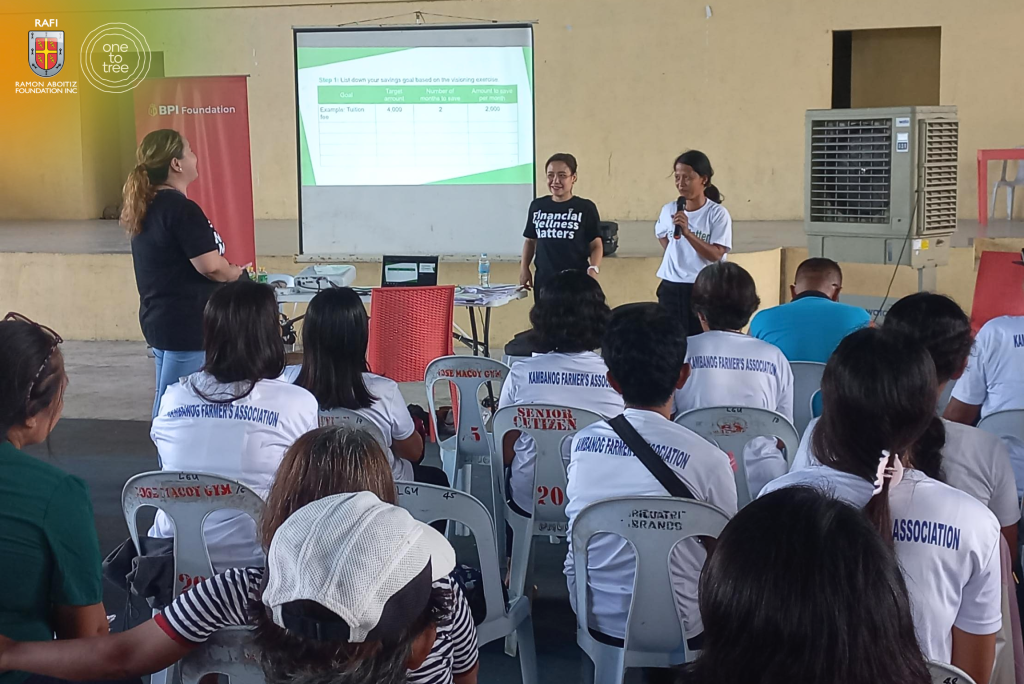
To empower farmers to better manage and grow their income and resources, BPI Foundation conducted a Financial Education session as a post-tree-growing intervention under this project. They trained partner-farmers on basic personal finance management skills such as budgeting, saving, insurance, protection against financial frauds and scams, and responsible credit use.
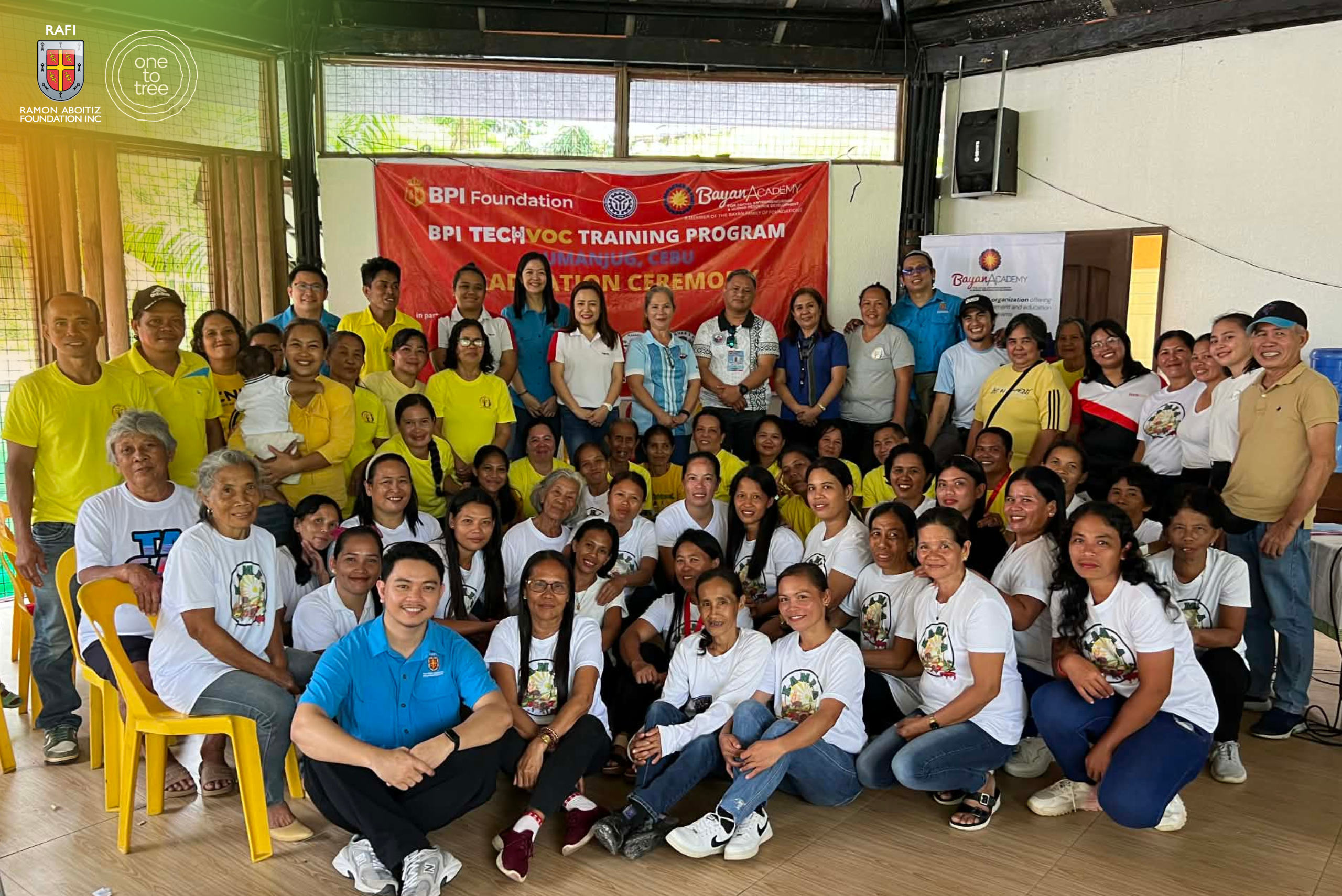
Towards the end of the reforestation project, BPI Foundation initiated a discussion with the community to address the needs for sustainable livelihood beyond the tree-growing phase. This is aligned with BPI Foundation’s closed-loop strategy and narrow and deep approach that allows communities to accelerate through holistic interventions. Proactively, KAMA‑UMO and KAMFA showed strong initiative by submitting their own proposals for long-term livelihood projects. After further assessment and validation, the most viable initiatives emerged: organic vegetables and fertilizer production, native chicken raising, and cattle raising. These were implemented under BPI Foundation’s TechVoc program, in partnership with Bayan Academy, that provided TESDA-accredited skills training and starter kits.
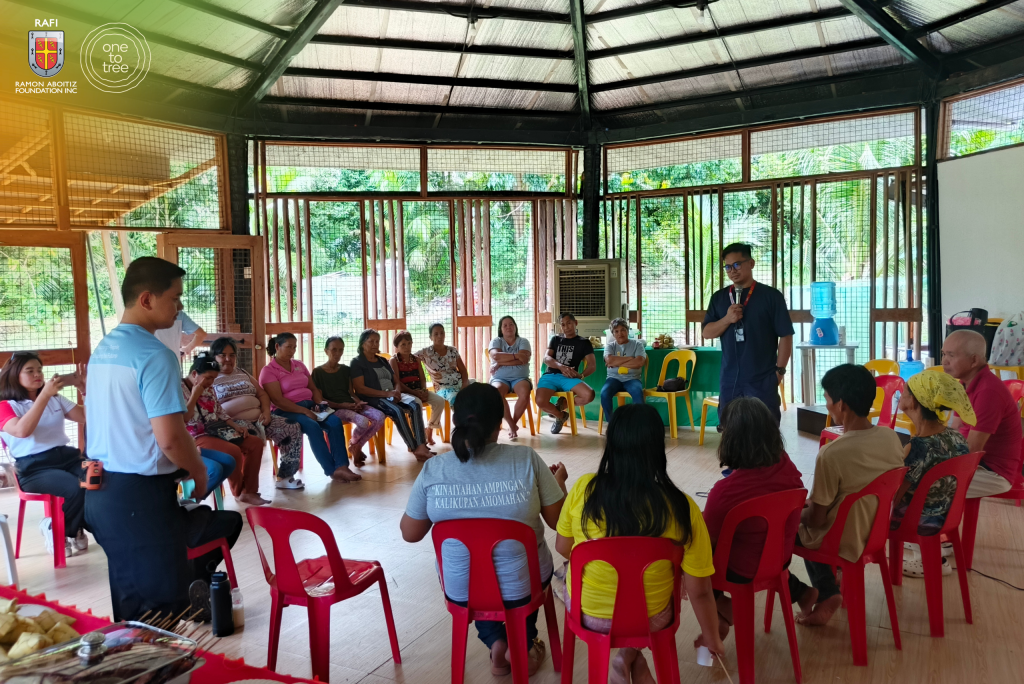
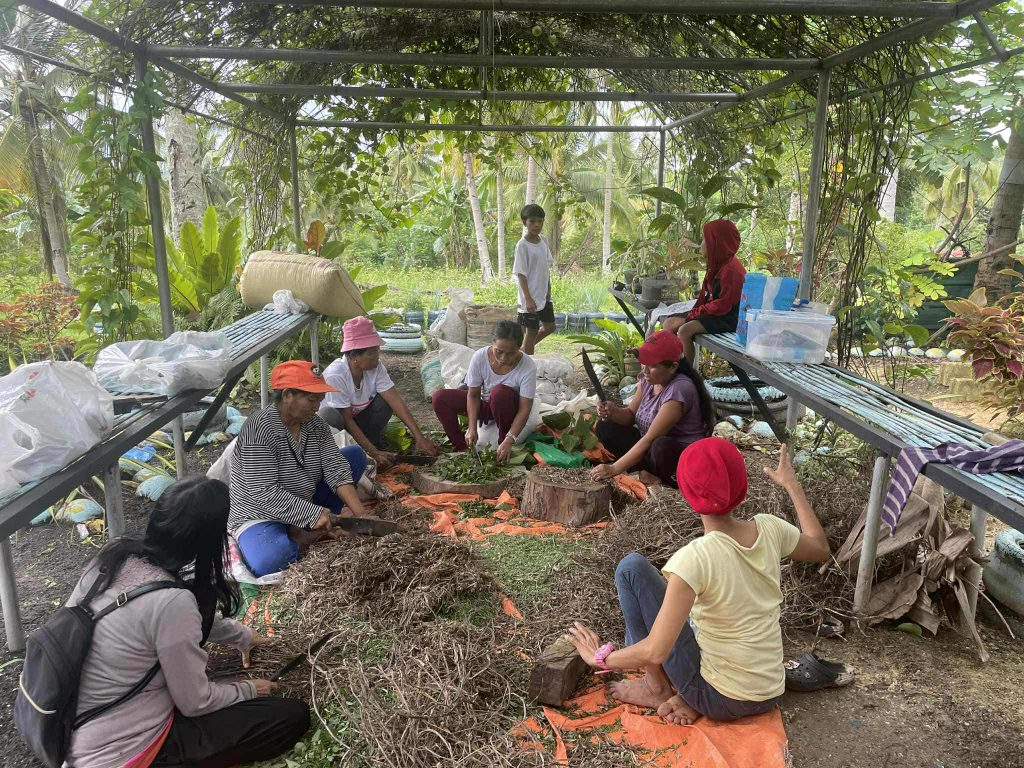
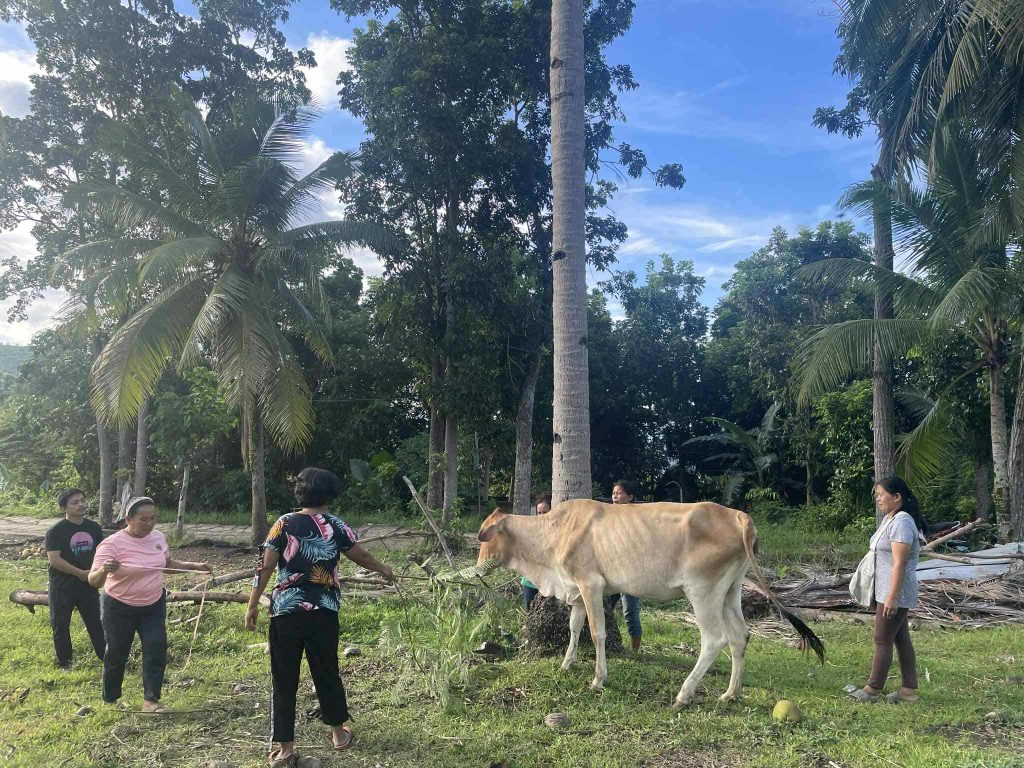
On December 12, 2025, fifty-four (54) individuals participated in a culminating activity from the TechVoc program, acquiring livelihood skills and starter kits for better employment or entrepreneurship.
What began in 2022 as a reforestation effort had since grown into a comprehensive approach to environmental stewardship and economic empowerment. Communities are now nurturing organic gardens, venturing into poultry and cattle raising, and strengthening food security while expanding income opportunities.
RAFI One to Tree Program Director Ria Comsti-Rivera reflected on the journey, highlighting how community commitment allowed the initiative to grow beyond its original scope. She acknowledged the invaluable support of the BPI Foundation in enabling the expansion into livelihood opportunities, including livestock farming, and emphasized that as the trees grow, so do the farmers who care for them.
“We started our tree‑growing initiatives in 2022–2023, and we saw how committed and dedicated you were in taking care of your lands and the trees you planted. And three years later, here you are... Let’s continue growing together—with the trees, and with the new skills and knowledge shared with you by BPI. A big thank‑you to the BPI Foundation and Bayan Academy,” Comsti-Rivera said, expressing her gratitude to the BPIF, recognizing their essential role in the program’s success.
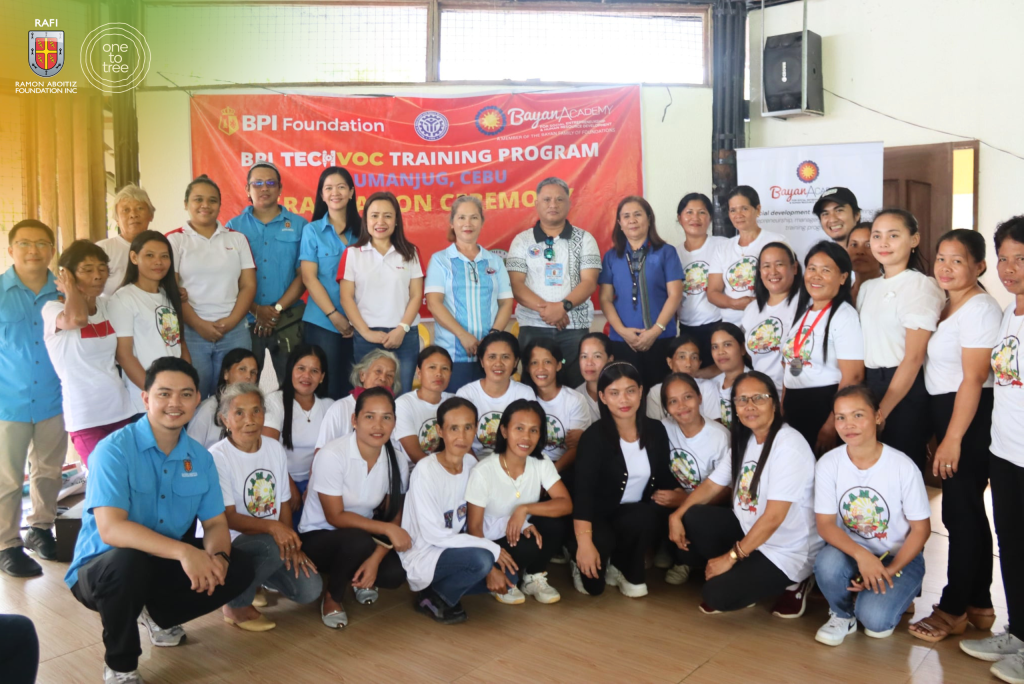
Farmer-partner Joebeth Omerez of KAMFA shared a heartfelt message in Cebuano during the culminating activity, expressing gratitude for support that strengthened not only the mountains but also the people themselves. She reminded fellow farmers that the effort is for their children and future generations, emphasizing that the collaboration is not an ending but a beginning.
“We are blessed and truly impressed because what you gave us is not only support that strengthened our mountains but also strengthened us. It’s not enough to simply gather [for the activities of the association]; it must be done wholeheartedly. This is for our children—let us remember that it is not just for ourselves. We are the ones who give life to our community, from our strength comes our food and our livelihood. Our heartfelt thanks to our partners. Always be our inspiration. We may be here in the mountains, but you still come to teach us so we can learn. This is not the end, but this is just the beginning.”
BPI Foundation Associate Director Juvylyn “Joy” Reniva underscored the organization’s mission of empowering Filipinos, particularly those in remote and upland communities, by providing access to opportunities that enable them to improve their lives. The message reinforced a shared vision: development must reach even the most geographically isolated communities.
“In BPI Foundation, we say Kasama Lahat sa Pag-unlad (Kauban Tanan sa Paglambo), that is why we are here in your community. We believe that Filipinos can improve their lives. We admire your hardwork, perseverance and drive to make your lives better, no matter your age and the difficulties you have experienced. We aspire to provide opportunities for you and your families to become self-reliant and sustainable, and we hope we have done so through these programs” Reniva said, speaking in Cebuano.
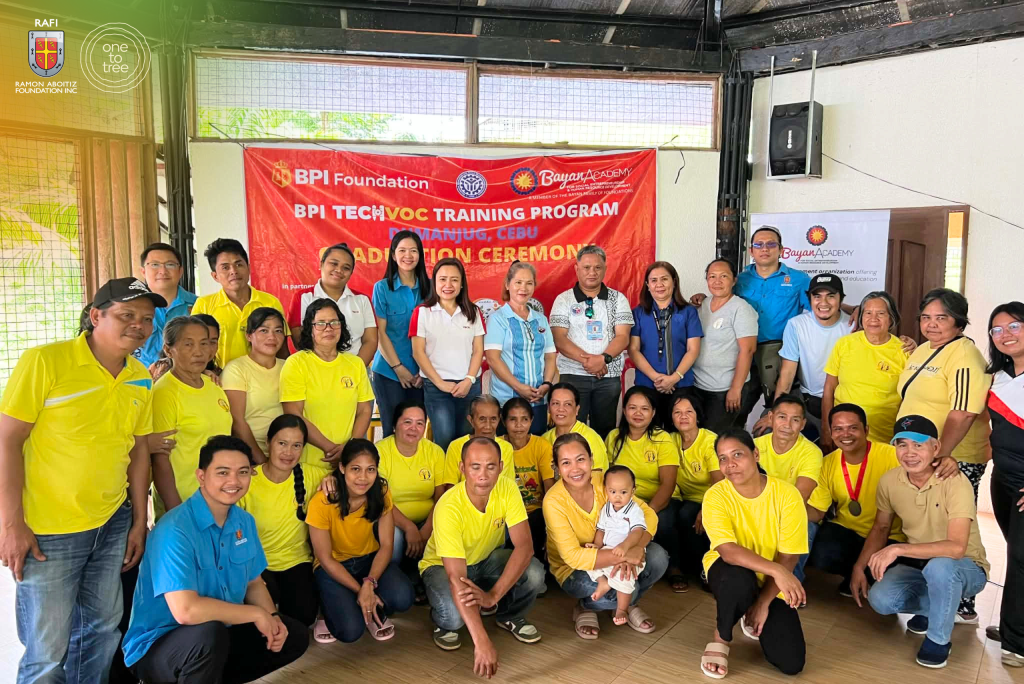
Lakbay Luntian – Visayas Project demonstrates that long-term impact arises when environmental protection and livelihood development move together. Across 171 hectares in Dumanjug, trees now stand as markers of collaboration and resilience. In surrounding communities, new knowledge on sustainable agriculture is taking root alongside the forests.
The project affirms that development is measured not only in seedlings planted or hectares restored, but in strengthened relationships, enhanced capacities, and renewed hope for the next generation. As the partnership between the BPI Foundation and RAFI One to Tree continues, the journey remains grounded in a shared commitment: nurturing the land, empowering farmers, and building resilient communities—one tree, one livelihood, and one family at a time.