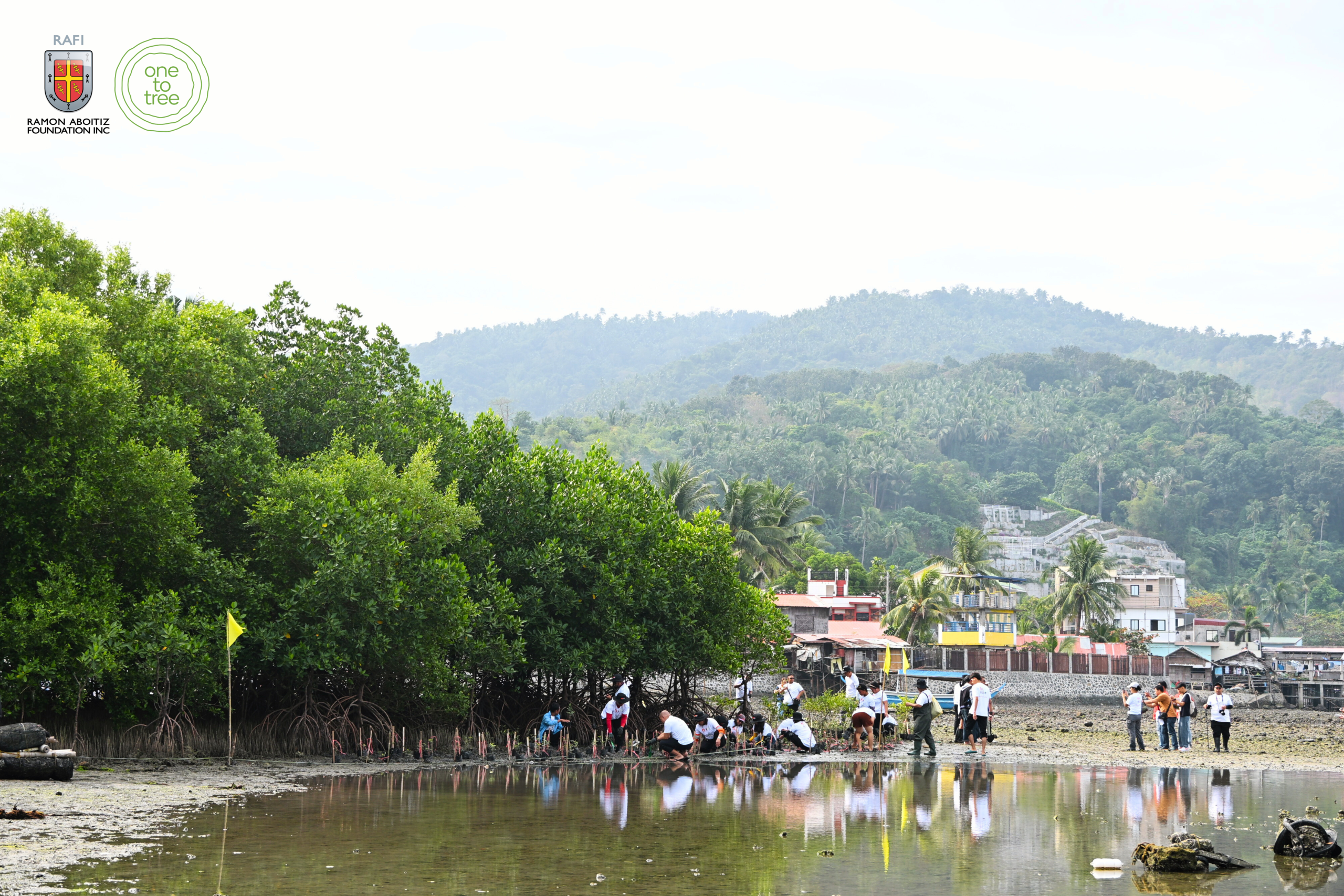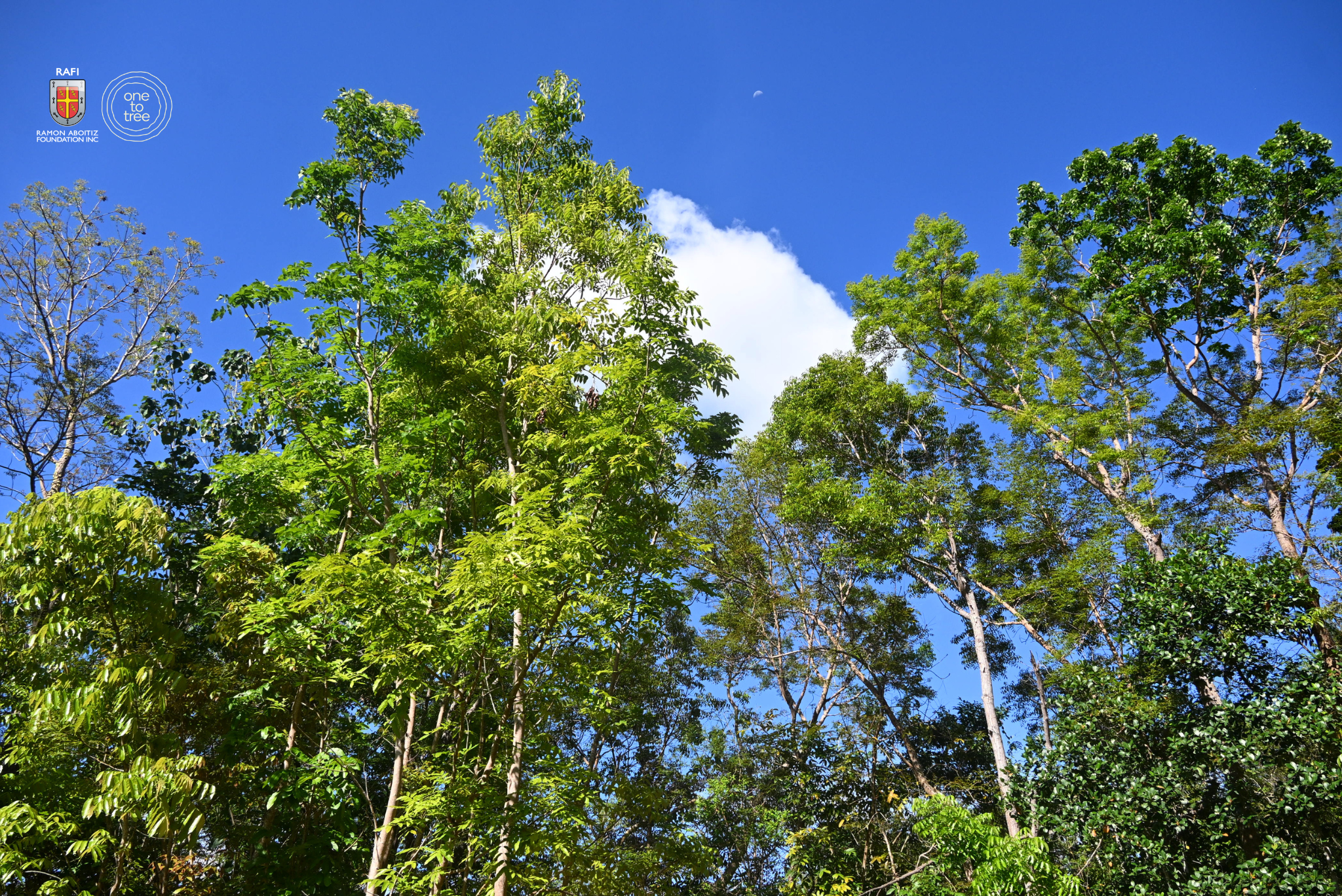
Tree growing Philippines initiatives often begin with a powerful image: people gathered outdoors, seedlings in hand, ready to plant for a greener future. These moments are meaningful. They bring communities, organizations, and partners together around a shared purpose. But while planting is an important first step, it is not the finish line.
Real forest recovery takes more than one day of action. It depends on what happens after planting day ends. Young trees need time, protection, and continued care to survive the challenges of their early growth. Without that follow-through, even the most well-organized planting effort may fall short of its long-term environmental goal.
This is why tree growing should always be understood as a long-term commitment rather than a one-time event. At RAFI One To Tree, the work is rooted not only in planting trees, but in supporting restoration efforts that have a better chance of lasting impact. Across the Philippines, meaningful environmental recovery depends on stewardship, partnership, and the patience to care for what has already been planted.
Tree planting events often receive the most attention because they are visible, hopeful, and easy to rally around. They give people a chance to take direct action and feel part of something positive. That visibility matters, especially in building awareness for environmental causes.
Still, planting alone does not guarantee recovery. Newly planted seedlings are vulnerable. They may face harsh weather, dry conditions, invasive weeds, pests, poor soil quality, or accidental damage. Some sites may also experience pressures that make it difficult for young trees to establish themselves without continued support.
This is where the conversation around tree growing needs to go deeper. If the goal is long-term restoration, planting must be paired with care. Otherwise, the effort risks becoming symbolic rather than sustainable.
Long-term maintenance becomes even more valuable when restoration is guided by thoughtful planting strategies from the start. In our International Forest Day blog, we discussed why choosing native species matters for healthier ecosystems and more sustainable restoration outcomes in the Philippines.
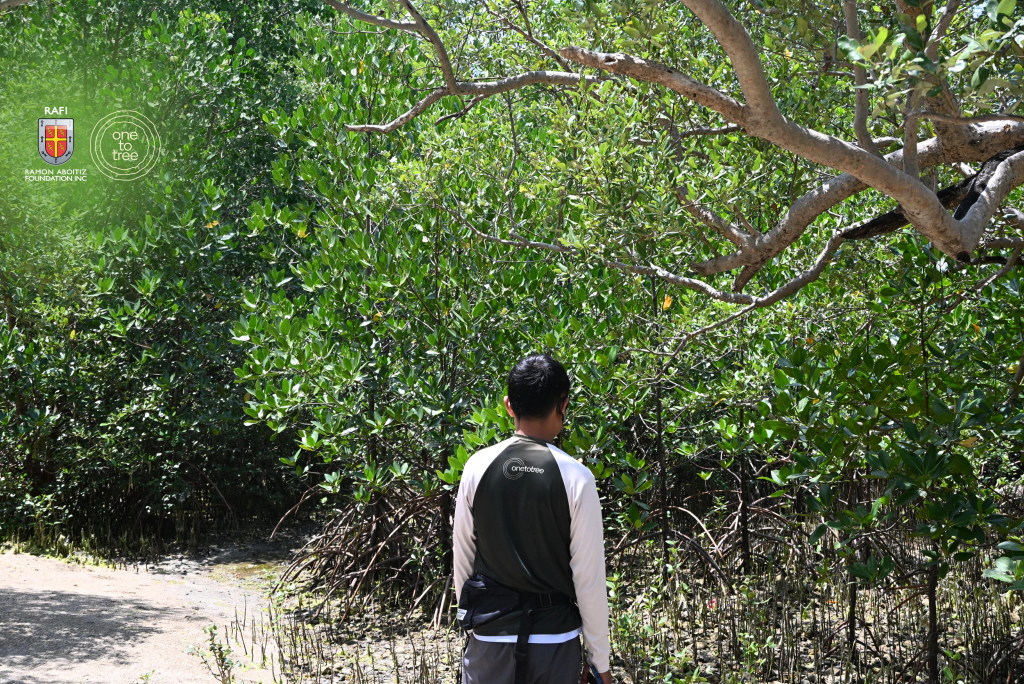
Long-term maintenance helps bridge the gap between planting a tree and helping it become part of a healthier, more stable ecosystem. It protects the investment of time, labor, and resources made during a planting initiative.
Maintenance often includes:
These efforts may seem less visible than a planting event, but they are often what determine whether a restoration initiative creates lasting environmental value.
When maintenance is taken seriously, tree-growing efforts are more likely to contribute to meaningful forest recovery instead of becoming short-term symbolic activity.
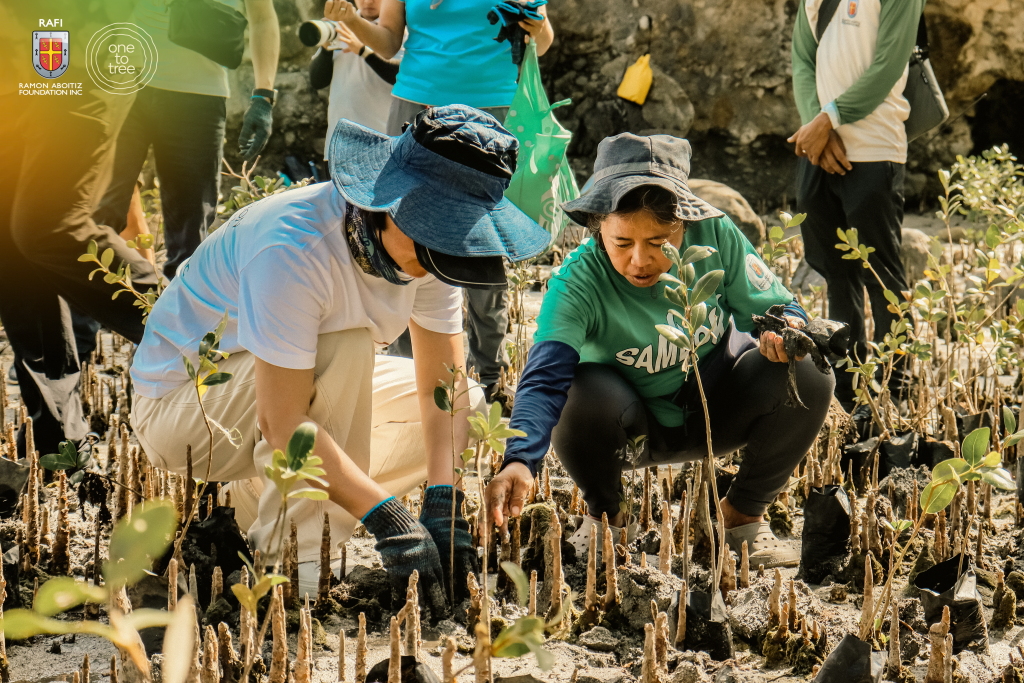
Tree growing in the Philippines becomes more meaningful when it is seen as a long-term commitment rather than a one-day activity. Planting may begin the process, but maintenance is what gives young trees a stronger chance to survive, grow, and contribute to lasting environmental change.
When restoration efforts include continued care, they move closer to real forest recovery. They become more credible, more sustainable, and more aligned with the deeper goal of helping ecosystems recover over time.
A forest is not rebuilt overnight. Even with strong community support and successful planting activities, recovery is gradual. It can take years before planted areas begin to show the fuller benefits associated with restoration.
Healthy forests support biodiversity, protect watersheds, improve landscape resilience, and contribute to stronger ecological balance. But these benefits depend on survival and growth over time. A planted seedling still needs the right conditions to mature and become part of a healthier ecosystem.
This is why reforestation Philippines efforts should not be measured only by how many trees are planted. They should also be understood through a longer lens: how many trees are protected, maintained, and given a real chance to thrive.
When restoration is framed this way, the conversation becomes more honest and more impactful. It shifts attention from short-term activity to long-term environmental responsibility.
For many people, the work of restoration seems to begin and end with planting. In reality, much of the most important effort comes afterward.
Maintenance may involve regular site visits, visual checks on seedling health, clearing surrounding weeds, observing survival conditions, and coordinating with local communities or stakeholders who help protect restoration sites over time. These tasks may seem simple, but together they can make a major difference in whether young trees survive beyond their earliest stages.
This on-the-ground follow-through matters because it brings credibility to restoration work. It shows that the goal is not only to organize planting activities, but to support real environmental recovery.
For programs like RAFI One to Tree, this kind of commitment helps strengthen trust among supporters, communities, and partners. It reinforces the idea that environmental work should be sustained, not seasonal.
Planting numbers are often used to show the scale of an initiative, and they do have value. They can reflect mobilization, reach, and participation. But numbers alone do not tell the full story.
A large planting event may sound impressive, yet the true measure of success lies in whether those seedlings survive and continue to grow. That is why survival matters so much in discussions around forest recovery. A tree that lives, establishes itself, and contributes to the surrounding environment carries more lasting value than one that was planted but never had the support needed to thrive.
This perspective encourages a more thoughtful way of evaluating environmental efforts. It places importance on quality, continuity, and care. It also helps supporters better understand that restoration is not just about starting strong. It is about staying committed long enough for growth to happen.
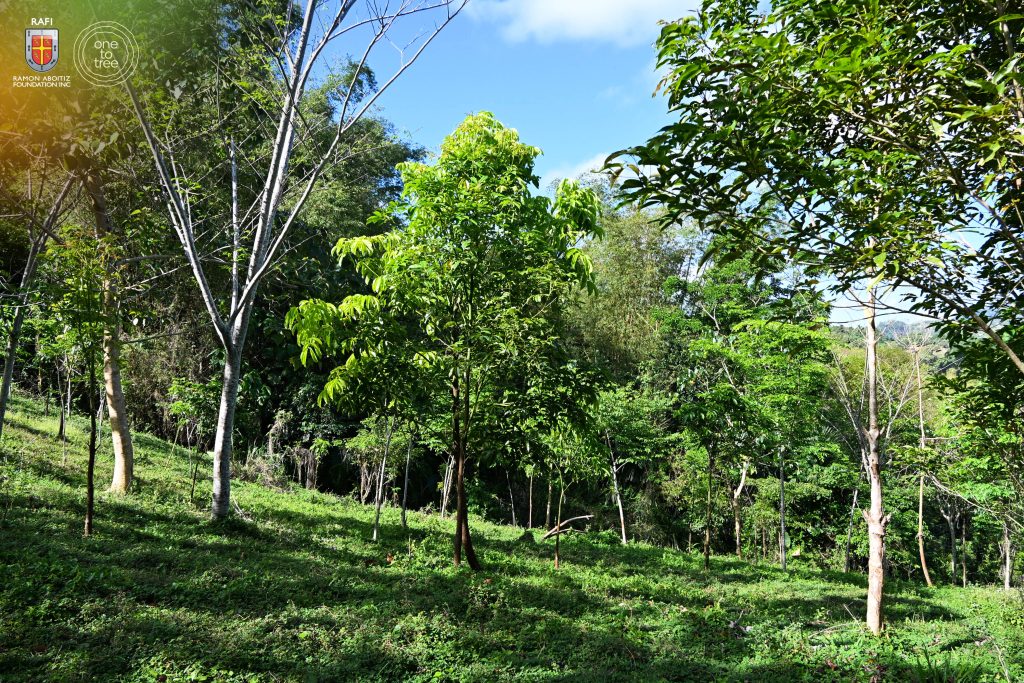
Forest restoration is not only a local concern. It is a nationwide responsibility. Across the Philippines, different communities and landscapes face different environmental conditions, but the need for sustained restoration remains the same.
RAFI One to Tree’s broader work reflects this wider environmental vision. Through its growing reach, the program helps show that meaningful restoration is not confined to a single planting site or one-off campaign. It is part of a larger movement that values long-term environmental care across the country.
This nationwide perspective also reinforces an important truth: the scale of restoration is not built through planting events alone. It is built through continued stewardship, collaboration, and maintenance over time.
The real strength of tree-growing efforts in the Philippines is not only found in how many seedlings are planted. It is found in the willingness to keep caring for them afterward.
Long-term restoration asks for patience. It asks for consistency. It asks people and organizations to understand that nature recovers over time, not on demand. Planting may begin that process, but stewardship is what helps carry it forward.
This is what makes long-term maintenance so important. It supports survival. It protects potential. And it gives restoration work a stronger chance of creating lasting environmental benefits for communities and ecosystems across the country.
When tree-growing efforts include long-term maintenance, they are better positioned to create lasting value. Continued care helps:
This is an important reminder for anyone supporting restoration work. Maintenance is not an extra step added after the fact. It is part of what makes the work meaningful in the first place.
Long-term maintenance becomes more achievable when organizations, communities, institutions, and advocates work together. Restoration is stronger when it is shared.
For businesses and corporate groups, supporting environmental initiatives can go beyond participating in a single planting event. It can mean contributing to efforts that value continuity, stewardship, and measurable long-term care. This creates a more meaningful form of engagement, especially for organizations that want their sustainability efforts to support real outcomes rather than temporary visibility.
For One to Tree, partnerships help strengthen the capacity to care for planted areas beyond planting day. They help make environmental action more sustainable, more credible, and more impactful over time.
That is why partnering with us is more than a call to participate. It is an invitation to support restoration in a way that reflects patience, responsibility, and shared purpose.
Long-term maintenance is important because planting a tree is only the first step. Young trees still need protection, monitoring, and care to survive and continue growing. Without follow-through, many seedlings may not contribute to meaningful forest recovery.
Planting alone is not enough because forest recovery takes time. Seedlings need the right conditions and continued care to survive. A planting event may begin restoration, but maintenance helps turn that effort into long-term environmental impact.
Tree growing supports forest recovery by helping restore tree cover, strengthen ecosystems, and contribute to healthier landscapes. In the Philippines, these efforts are more impactful when they include long-term care and stewardship after planting.
Companies and organizations can help create more lasting environmental impact by supporting programs that value long-term care, not just one-day planting events. This helps make restoration efforts more credible, sustainable, and meaningful.
Supporters can help by partnering with credible programs, promoting long-term stewardship, encouraging community participation, and backing initiatives that care for planted trees beyond the initial planting day.
🌱Support restoration efforts that go beyond planting day. Partner with RAFI One To Tree and help create lasting environmental impact through tree-growing initiatives that value long-term care, stewardship, and recovery across the Philippines.